Hace ya varios meses he querido escribir sobre el trastorno o enfermedad mental al que llamamos “depresión”. Al principio pensé escribir sobre esto de manera general. Pero según he meditado más sobre el tema, pienso que es importante tomar concentrarme en dos aspectos. Primero, quiero compartir mi propia experiencia como persona que vive con depresión. Segundo, quiero hacerlo desde el punto de vista de quienes pertenecemos al clero – o sea, personas en el ministerio ordenado, monjas, monjes, predicadoras, evangelistas, sacerdotes, etcétera. También quiero hacerlo en español, porque muy poco se ha dicho y se ha escrito sobre el tema de la depresión y de otras enfermedades mentales en este idioma.
Comencemos pues, por aclarar algo muy importante. Escribo sobre la depresión sin ser psicólogo, psiquiatra o profesional de la salud mental. Por otro lado, sí tengo algo de experiencia en el campo de la salud mental puesto que mis estudios universitarios (en sociología) y mis estudios graduados (en divinidad) me prepararon para poder determinar algunos grados de necesidad de personas con enfermedades mentales. Esto no quiere decir que tengo conocimiento clínico-médico al respecto; más bien, tengo herramientas para determinar si una persona necesita ser vista por una profesional de la conducta para tratar alguna enfermedad sicológica. Con esta aclaración hecha, me gustaría moverme al asunto de la depresión en el clero, en especial desde la perspectiva de las comunidades hispanas o latinas.
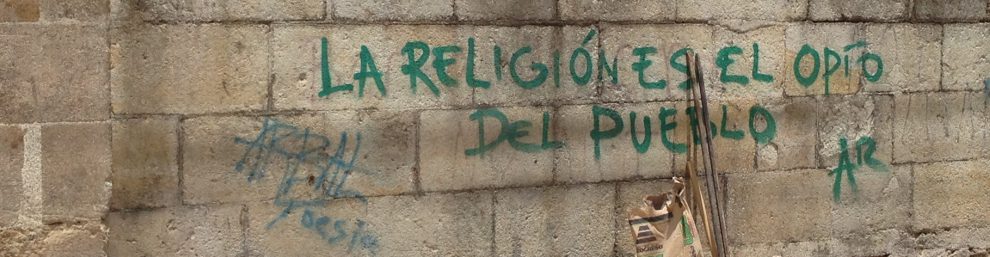
Dentro de las comunidades hispanas existe bastante prejuicio contra las enfermedades mentales. Es bastante sabido que las personas que practican la psicología o la psiquiatría no tienen mucha clientela entre personas hispanas. Hay varias razones que contribuyen a esto. Por ejemplo, dentro de las comunidades hispanas se entiende que es deber de la familia el proteger a sus miembros. Si una persona padece de alguna enfermedad mental, hasta cierto punto se entiende como una falta de responsabilidad de parte del padre y la madre el que un hijo o una hija padezca una enfermedad mental. Por otra parte, históricamente las personas en poder han determinado que las personas sin poder están en esta situación precisamente porque no tienen las capacidades mentales para superarse. O sea, que existe sospecha de parte de muchas personas en ser diagnosticadas con alguna enfermedad mental. Por último, la religiosidad de muchas comunidades hispanas no permite ver la necesidad de tratamientos psicológicos o psiquiátricos ya que las divinidades existen precisamente para lidiar con estos aspectos. Con esto quiero decir que existe un pensamiento arraigado entre las personas hispanas de que Dios, la Virgen, los santos, los Orishas, los espíritus guías, etcétera, son responsables de mantenernos estables en nuestra salud mental. Una oración, un exorcismo, el rezar un rosario, hacerle un ritual al Orisha, pasar por un despojo, y otros, debe ser suficiente para que la divinidad actúe y la enfermedad desaparezca. El no creer que la oración por si sola es suficiente, es motivo para cuestionar la fe de la persona. (Aunque, interesantemente, nunca se cuestiona la autoridad y el poder de la divinidad cuando la cura no llega.)
La depresión es un desorden mental. Según la definición clínica de la misma, la depresión es: “el diagnóstico psiquiátrico que describe un trastorno del estado de ánimo, transitorio o permanente, caracterizado por sentimientos de abatimiento, infelicidad y culpabilidad, además de provocar una incapacidad total o parcial para disfrutar de las cosas y de los acontecimientos de la vida cotidiana.” (Manual de Diagnóstico y Tratamiento de la Asociación Americana de Psicología) La depresión no es solamente sentirse triste por un momento. Cualquier persona que tenga sentimientos se ha sentido triste, ha llorado y ha estado sin ánimos. Es posible estar en este estado de tristeza por varias semanas e inclusive meses sin necesidad de que sea diagnosticado como depresión. (Pero de nuevo, yo no soy médico así que no puedo determinar cuánto debe prevalecer un estado de ánimos bajos antes de ser diagnosticado como depresión.) La depresión, como trastorno clínico, afecta todos los aspectos de la vida de la persona que vive con ella.
Puedo decir que he vivido con depresión por varias décadas. Sin embargo, no fue hasta mis que fue joven adulto que me fue diagnosticada. Pero recuerdo que había en mi adolescencia muchas semanas y meses en que sentía una tristeza incontrolable, sin razón alguna de ser. Vivía en un completo estado de infelicidad a pesar de todas las cosas maravillosas que pasaban alrededor. Mi padre y mi madre siempre me apoyaban, me cuidaban, me ofrecían todo lo necesario para sobrevivir y tener éxito en la vida. Nunca hicieron nada para hacerme sentir inferior o hacerme sentir sin amor. Por el contrario, siempre proveyeron amor, respeto y empatía. Con esto quiero decir que la razón de mi tristeza no era por cuestiones de violencia, desamor, falta de respeto, u otras. Simplemente, la química de mi cerebro estaba en desbalance. Por lo tanto, el nivel de serotonina y dopamina – los aminoácidos que controlan el estado de ánimo en los seres humanos – estaban desbalanceados. Esta es la causa fisiológica de la depresión.
No quiero entrar en todos los detalles de lo que ha significado en mi vida el vivir con depresión. Solo quiero compartir algunas cosas que pueden ser importantes para este escrito en particular. Por ejemplo, puedo decir que desde que fui diagnosticado he podido entender el porqué de tantas acciones que he tomado en el pasado. Desde mi diagnóstico, he podido hacer cambios en mi vida – de dieta, de rutinas, y otros – que me han ayudado. Cuando mi depresión ha estado en momentos más fuertes, he tomado medicamentos bajo la supervisión de mi médico. Así, estos son algunas de las cosas que he aprendido sobre el vivir con este trastorno mental. También he aprendido que el vivir con un trastorno mental como la depresión no es “castigo divino”, no es “culpa” de nadie, no es algo que yo mismo “he buscado” y tantas otras falacias y mitos que tenemos en la cultura hispana.
Ahora, me gustaría tocar un punto muy importante sobre la depresión en mi vida. Esto es, soy miembro del clero. O sea, soy pastor. Existe entre las personas una percepción de quienes somos parte del clero que es muy dañina. Muchas personas piensan que el tener un llamado a esta profesión viene con una tarjeta divina de salir de cualquier cosa que otras personas sufran. Según la percepción popular, las personas del clero siempre están contentas, casi no enfrentan problemas, somos casi “super-humanos” para mucha gente. Pero esto no es así. Las personas que pertenecemos al clero somos nada más y nada menos que seres humanos. Nos da tristeza y alegría. Cometemos errores y tenemos logros. Pensamos en cosas feas y en cosas hermosas. Tenemos un color favorito y una comida que no nos gusta… En fin, que somos simples humanos que hemos seguido el llamado a ser líderes dentro de nuestras respectivas comunidades de fe. Pero igual que las personas al otro lado del púlpito sufren de enfermedades – de todas clases – a personas miembros del clero también nos diagnostican. Nos dan vómitos y fiebres. Vivimos con cáncer y con VIH. Tenemos migrañas y quebraduras de huesos. Así mismo, tenemos la posibilidad de padecer trastornos mentales de todo tipo. En mi caso, vivo con depresión y con desorden obsesivo-compulsivo (OCD, por sus muy conocidas siglas en inglés).
Es importante entender que las personas del clero no somos inmunes a padecer de depresión. Realmente, es una lucha constante el poder ofrecer apoyo a nuestras feligresías mientras al mismo tiempo buscamos apoyo para nosotras y nosotros. Sin embargo, entre las comunidades hispanas existe un reto mucho más grande. Esto es, el prejuicio rampante que existe entre nuestras comunidades contra los diagnósticos y tratamientos para las enfermedades mentales. Cuando un miembro del clero hispano tiene que buscar ayuda para sus trastornos mentales, lo más probable es que no tenga a nadie con quien compartir dicha lucha. Es posible que dentro de sí, la persona solo pueda ver el rechazo al que será expuesto si deja ver su vulnerabilidad entre su feligresía. También es posible que el liderato de su congregación tome medidas contra la persona, puesto que, como dije anteriormente, existe la percepción de que las enfermedades mentales son “castigo divino” o simplemente denotan una “falta de fe” en la divinidad.
Es por esto que quise compartir mi propia historia de vivir con depresión siendo parte del clero. La verdad es que, como ser humano, siento y padezco como cualquier otra persona. Así mismo, mi trastorno o enfermedad mental no me supone una desventaja para proveer apoyo espiritual a las personas a las que sirvo. Incluso, creo que yo que el vivir con depresión me ha ayudado a entender mejor otras personas que viven con enfermedades similares. El vivir con depresión me ayuda a tener más empatía con otras personas, en especial aquellas a las que sirvo. Por esto, es muy importante que dejemos a un lado los mitos sobre las enfermedades mentales, sus diagnósticos y sus tratamientos. Es imperativo, creo yo, que aceptemos que las personas miembros del clero somos humanos, creados y creadas igual que otras personas. Tenemos las mismas aspiraciones y los mismos retos.
Finalmente, es importante entender que necesitamos el apoyo de nuestras congregaciones tanto como la congregación necesita de nuestro apoyo. Esto no quiere decir que queremos que sientan lástima por nosotras y nosotros. Tampoco queremos que nos traten como niñas y niños sin protección. Lo importante, lo que pedimos de nuestras congregaciones, es que reconozcan nuestra naturaleza humana. Queremos apoyo y solidaridad. Queremos oraciones y entendimiento. Queremos que nos vean como seres humanos. No queremos burlas, ni críticas, ni dedos señalándonos como personas de poca fe. Queremos y necesitamos la comunidad a la que pertenecemos, porque sabemos que la divinidad nos ha puesto allí tanto para dar como para recibir bendición.
 daughter is the music she creates for us and with us and who has given her life to fight for equality and justice for all of her children… I celebrated with all the mothers, some women, some men, who brought all of whom they are to church that day and who held me in prayer as I shared with them my hurt.
 SocioTheology
You must be logged in to post a comment.