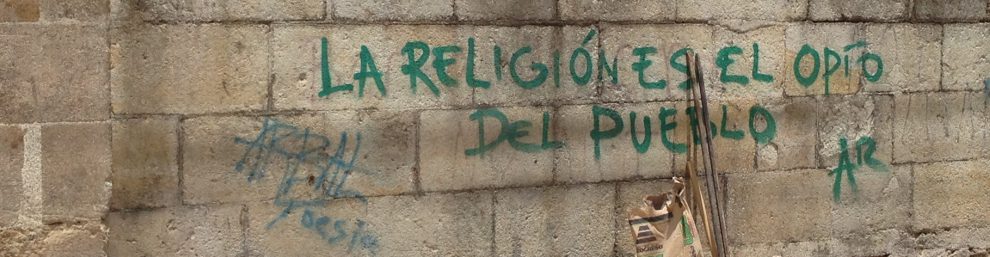
I continue sharing some of my experiences traveling throughout Latin América this Hispanic Heritage Month. As always, it’s my hope that these reflections help you contextualize our region and ignite a bit of curiosity to explore beyond the tourist traps of our countries.
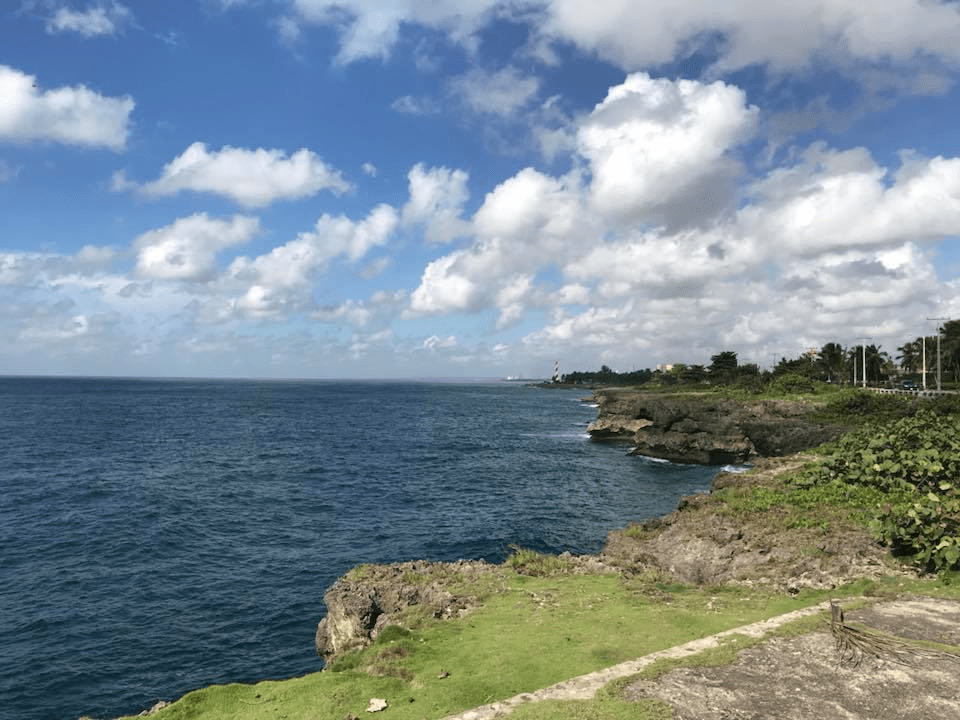
Today, I share with you all a bit of my experiences traveling to Quisqueya, the eastern half of the island of Española or Hispaniola as it is known in English. You might have heard of this place by its modern name: Dominican Republic or, in Spanish, República Dominicana.
The ties between Puerto Rico and Dominican Republic are strong. Perhaps not as strong as the historical ties between Cuba and Puerto Rico, but in more recent times, PR and DR have shared much history and culture. The Dominican population in Puerto Rico is quite large. In fact, I would venture to guess that no family in Puerto Rico hasn’t had a Dominican person as part of it. (My own family has welcomed two Dominican people into the fold… and as result of one of these marriages, at least two of my cousins are DominiRican.)
The first time I traveled to Quisqueya was from Puerto Rico. The flight is short, and I did what most Boricuas do when they travel to DR: stayed at a resort by the beach.
But, being the person I am, I could not just stay there. I rented a car and went on to explore at least a little bit of Santo Domingo, its capital city, as well as a couple of cities and towns in the vicinity.
Santo Domingo is the oldest Latin American capital. It was the first city established by the colonizers in the Américas, having been founded in the XV century. (The only city established by the Spaniards in the Américas during that century.) The old city is a beautiful place. I have visited Santo Domingo twice, and I find it mostly charming, filled with history, and somewhat magical. Walking through the ruins of the Monastery of Saint Francis (Monasterio de San Francisco) in the old city is stepping into over 500 years of history, colonization, slavery, and independence. As I walked around the city during my first visit, it was important to me to visit the tomb of one of the most prominent figures in Puerto Rican history, politics, ad struggle for decolonization: Don Eugenio María de Hostos. “Nobody is a prophet in their own lands” goes the saying, and that’s exactly what happened to Hostos. I will not go into details about his life here, but he is known for bringing public education to most of Latin América. Although he received some recognition in his native land, it was his adopted country of Quisqueya who offered him eternal rest. When I visited the first time, his body was the National Pantheon, where the heroes of the nation rest. Standing by tomb was my show of gratitude to Hostos, for inheriting so much to us in Boriquén. The Pantheon in itself is an impressive building filled with history, and a place that the visitor should not miss.
San Pedro de Macorís was another town visited during my first time in Quisqueya. As luck would have it, there was a youth baseball game when I visited. Witnessing this was a gift. Baseball is in Dominican’s blood. Being able to witness a bit of this youth tournament was a great way to see the soul of the Dominican people firsthand. I highly recommend catching a baseball game — of any leagues — when you visit.
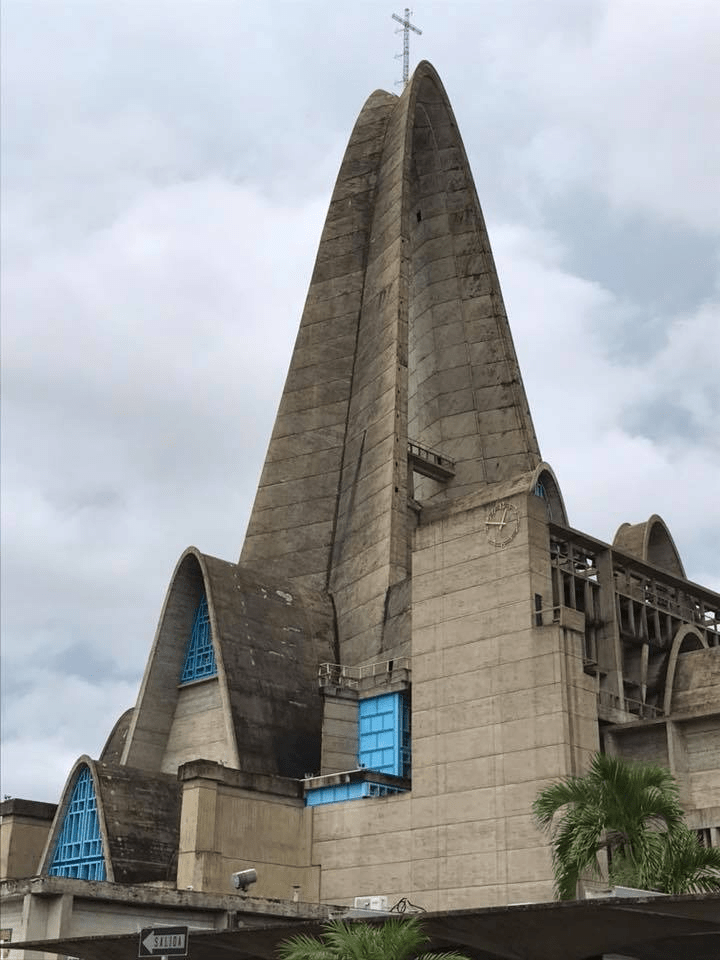
During my second visit, I traveled to Punta Cana, a very well known tourist destination. Again, as I didn’t want to spend all my time at the resort, I rented a car and went exploring. I drove to the city of Higüey, where the Basilica-Cathedral of Our Lady of Altagracia is located. This advocation of the Mary, the Mother of Jesus in the Christian faith, is the patron saint of Dominican Republic. The modernist building is filled with a combination of ancient and modern expressions of the Roman Catholic faith. It really is worth exploring, as it shows a face of the Dominican culture that is often ignored. The Virgin of Altagracia is part of the national identity of many of the Quisqueyanos. As I drove from Punta Cana to Santo Domingo on this second trip, I made the obligatory stop at Los Altos de Chavón. I didn’t find the place particularly interesting, it’s just a replica of a XVI century Mediterranean villa, but the views are beautiful and the restaurant had a pretty good selection of traditional Dominican meals, which was a plus.
Once in Santo Domingo, I noticed how boisterous the city is. We stayed near the Malecón — the boardwalk — and all we heard were honks and car noise. The constant honking, day and night, was a nuisance and something I didn’t particularly wanted to experience while in town. Thus, I would highly recommend finding places to stay that are a bit removed from the city, or at least not on main streets. The other disappointment I experienced was seeing the huge amounts of trash that washes up on the coast by the Malecón. Of course, this is not a Dominican only issue. The whole Caribbean is responsible for throwing our trash to the sea, making it easy to collect on the coast of our countries. I think that my disappointment was a combination of realizing that this was all of our fault as well as noticing how little the Dominican authorities are doing to keep their coast clean.

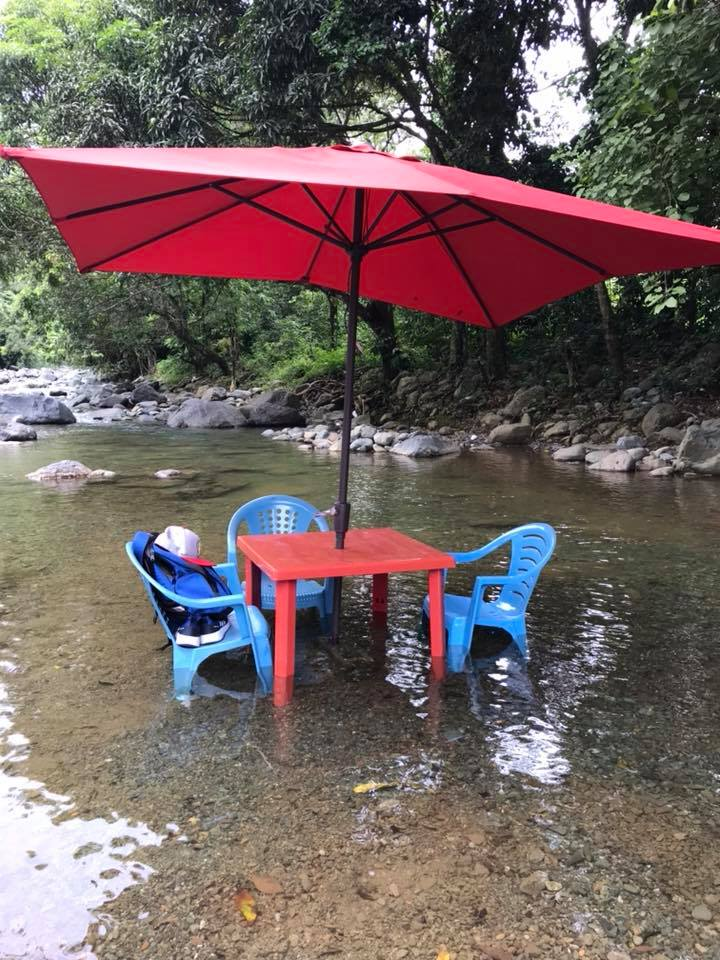
However, in spite of my disappointment in the city, the drive to the mountains was different. We took a day trip to explore nature. The drive was relaxing and the sights were beautiful. Taking in all the nature of the country was needed after a couple of sleepless nights due to the honking and constant noise in the capital. I found a river with an open restaurant where they bring you the food right to the middle of the stream. You can go to one of the tables by the river and enjoy the freshness of the waters while also relaxing and having some snacks and a beverage. It was the best part of the trip, and I highly recommend exploring the countryside when you visit Quisqueya.
República Dominicana is filled with beauty, history, and personality. The historic sites are worth visiting, as Quisqueya was the first colonial settlement in the Américas, and understanding its history provides much context for who we are today — both as people of the Américas and as Latin folk. I highly recommend driving around and exploring the hidden areas of the country: the countryside, the farms, the small towns… Catching a baseball game or joining a dominos game at any of the main plazas in any city or town are things that every visitor should do.
 SocioTheology
You must be logged in to post a comment.