
Category Archives: Identity

What Is Time? Or What Is Latino Time, Anyway?

One of the places I love to visit when I go to Yucatán is the Grand Museum of Maya Culture. Each time I visit, I learn something new or pay closer attention to something I missed the last time I visited. A few weeks ago, when I visited, I paid closer attention to a note about the concept of time in the Maya culture. It explained that the Mayas understand time as cyclical. This is one of the reasons why spheres were used to mark time – the Mayan Calendar. A linear time makes no sense in the Maya culture. The future is behind us, the present is unknown, and the past is right before us. The future is behind us because we do not know how that time will be used and what it will bring. The present is unknown because it is happening as we live, and therefore, we cannot actually see it until it is in front of us. The past is clearly in front of us because we remember.

Each culture has a concept of time that works for them. Everyone knows the USAmerican adage: “time is money!” The whole USAmerican culture is fixated on this cultural reality. Although I have not studied the origins of this, I assume it comes from the Protestant work ethic. According to some early Protestant theologians – specifically, Calvinists – labor is not only honorable, but it also shows whether you have been chosen by God. People in Calvinist societies wanted to show everyone that they had been chosen, and thus, they worked hard to demonstrate that they had been chosen.

Sociologist Max Weber was the person who defined this concept. In his work, Weber argued that this approach influenced the way in which the earlier Anglo settlers of what became the USA were able to succeed. Since then, this approach has permeated USAmerican society. “Time is money” is just a different way of saying that you must not “waste” time; you must use every minute of your life on a task that is productive. Time is seen as something linear, and you complete one task after the other in a linear way, in order to be as productive as possible. You can control time, and it is a limited resource that should not be wasted. I just learned that this perspective is called “monochronic.”

According to the definition I found, “In monochronic societies, people take time seriously, adhere to a fixed schedule, and value the sequential completion of tasks.”[1] This perspective flourished during the Industrial Revolution, as it made sense for this period of history when the main goal was to produce as much as possible.

On the other hand, there are polychronic societies. In these societies “people perceive time as more fluid, where multitasking and interruptions are normal. Time aligns more with the sun, the moon, and Mother Nature than it does with the hands of a clock.”[2]

In Latin America, our societies tend to be polychronic. This, of course, is a generalization. The Protestant work ethic and the USAmerican obsession with making money have definitely influenced most Latin American societies. Nevertheless, our cultures tend to be more polychronic, understanding time in more flexible ways than European and most North American cultures (with the notable exception of México.)

When I first moved to the mainland USA, the understanding of time was one of the greatest cultural shocks. I couldn’t quite comprehend what I understood to be an obsession with timeliness, cutoff times, hard deadlines, etc. I would be flabbergasted at how little quality time people spent in each other’s company. To this date, I still cannot comprehend how many of my USAmerican friends can be exactly on time for something. I do have a theory that they probably just arrive super early and park nearby until the clock marks two minutes before the scheduled time, and then they just walk up to your door. I don’t know! I haven’t cracked the code yet…

As I spend more time in the USA – I have officially lived longer in the USA than in my own country – I have adapted to some cultural and professional norms, mores, and customs. I understand that certain people need me to show up right on time, or sometimes even a few minutes earlier. I try as hard as I can to comply with the expectations. However, culturally, I am definitely wired to see time as a flexible reality.

In my own culture, when it comes to spending time with others, it is not about “being on time” but about the quality of time you spend with someone. Since time is flexible, it is expected that you prioritize companionship more than setting up specific times to start and end. There is a running joke that Latino folk – and in my case, Puerto Rican folk – spend pretty much the same amount of time saying goodbye as the time they spent visiting with you. Of course, this is a bit of an exaggeration, but it is quite close to reality.

Since time is flexible, it also means that you can work on many different tasks at once; or have timelines that look nothing like the linear timelines that are common in corporate settings. A Latin person will most likely go back and forth between projects and within stages of that project. There is no need to follow a specific timeline because it is not necessary. You will have the product finished when it is finished, and it will be a quality product because you gave it the attention that it needed regardless of whether it was “on time” or not. This causes much frustration among multicultural groups! It is especially hard when those groups are made up of people who have adapted to the USAmerican understanding of “time is money” but come from polychronic backgrounds. In these instances, the majority USAmerican coworkers use the example of the people who follow their understanding of time to dismiss the very real different understanding of time of the others in the group.
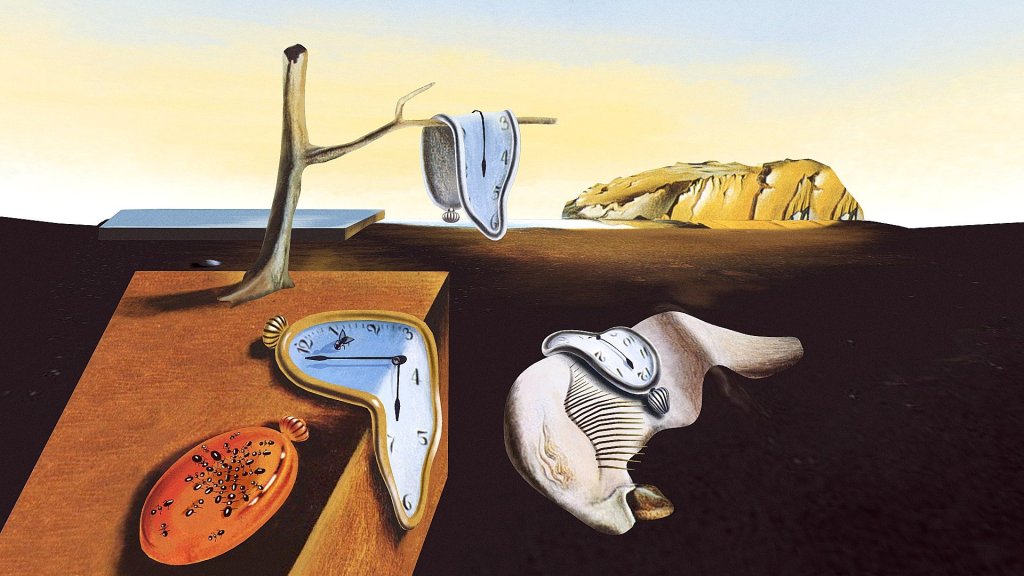
It turns out that social scientists and researchers in the field of business have already studied these interactions. I read an article online[3] that describes project management from these different perspectives and how multicultural workgroups can manage to be successful.

I will not go into the details of that paper. However, I would like to present some of my own perspectives and understanding of how to approach this reality of differences in understanding time.

First, I think it is important to recognize that “different” does not mean “better” or “bad.” It just means… DIFFERENT! Different societies and cultures have different ways to approach time. We must understand that our own understanding of the world around us is shaped by our histories, social locations, personal experiences, and myriad other things. It is wrong to expect others to behave like me, even in professional settings. It is also wrong to assume that everyone must conform to my understanding of the world. Accept and embrace differences.

Second, it is always best to foster a culture of communication and trust in the workplace – or any other place! This will help communicate effectively when these differences show up. It also helps with setting communal expectations that are born of the collective ideas and different approaches brought in by the members of the group. When there is trust and communication, people will feel empowered to share their own understanding of time, and a good project leader will help negotiate a workflow that makes sense for the group. This brings me to the next point.

Flexibility is key. What works today might not work tomorrow. Once a workflow has been established for a project, it cannot be assumed that the next project will follow the same timeline or workflow. Good project leaders will need to go back to the drawing board and go over the whole process of listening, learning, negotiating, and adapting a new workflow that works for that group and that project in particular.

These strategies can also work in personal relationships. I understand my friends’ perspectives on time, and I honor them the best I can. They also understand my own understanding of time, and you will never see one of my USAmerican friends showing up at my house for a party at the exact time I invited them! This sounds silly, but it’s true! In my Latinoness, I think I will have everything ready by the exact time I invited my guests, but there’s always something that makes it not possible to be right on time. Thankfully, my friends understand this, and they know they should show up at least ten minutes past the time I asked them. They also know that I value their company more than I value ending a party “on time” – whatever that means in this context – so they are never rushed to leave my home at a particular time.  

To finish this article, I want to leave you with a smile on your face. A few years ago, FLAMA, a Latino YouTube channel, posted a really great video titled “Perception of Time – Latino Field Studies.” Please watch it, for a laugh… and to understand better what I have just written about!


[1] https://www.spanish.academy/blog/polychronic-culture-in-latin-america-thoughts-and-facts-on-time/

[2] https://www.spanish.academy/blog/polychronic-culture-in-latin-america-thoughts-and-facts-on-time/

[3] Duranti, G. & Di Prata, O. (2009). Everything is about time: does it have the same meaning all over the world? Paper presented at PMI® Global Congress 2009—EMEA, Amsterdam, North Holland, The Netherlands. Newtown Square, PA: Project Management Institute. https://www.pmi.org/learning/library/everything-time-monochronism-polychronism-orientation-6902
Leave a comment

Filed under Creativity, Culture, ethnicity, Heritage, Hispanics, Hispanos, Identidad, Identity, Latino, Leadership, Sociology, Time

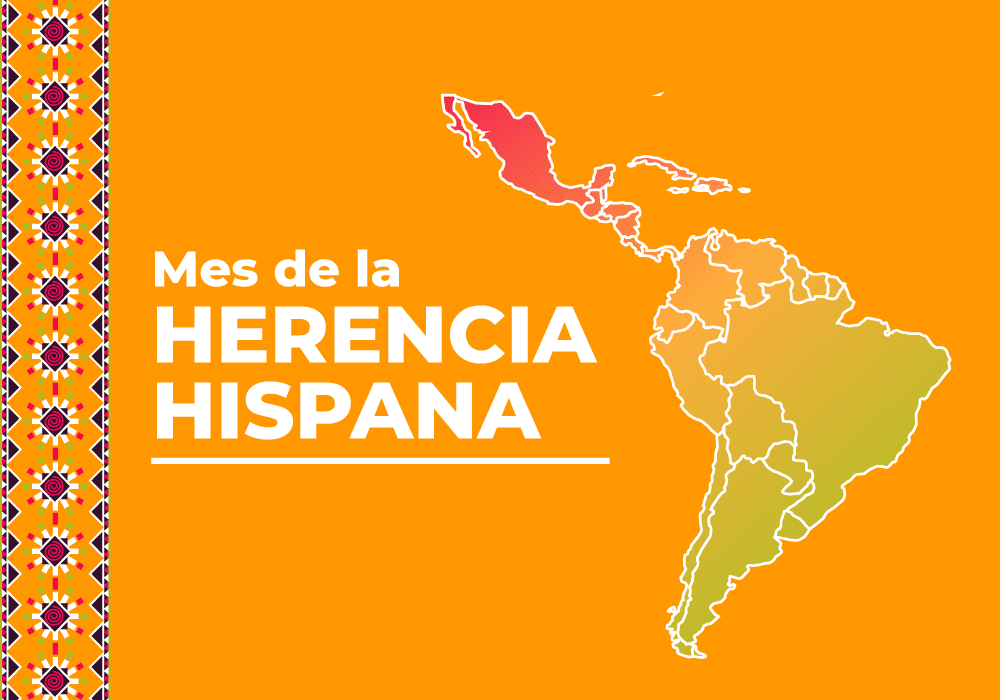
Preventing Cultural Hegemony During Hispanic Heritage Month

When Hispanic Heritage Month was established it was with the idea of recognizing the contributions of Hispanic-Americans (as our community was known) to the United States. Since the term “Hispanic” was a government construct to group a very diverse group of people, other concepts such as “Latino/a” have been used. We understand that not all Latinos/as are Hispanics, and that any terminology used to group our community is going to fall short. Latin America is an extremely diverse region. Our ancestors are Indigenous, African, European, Asian, and of every combination thereof. There are hundreds of different languages spoken throughout the region in addition to Spanish, Portuguese, and Creole. Our histories, cuisines, faiths, values, and every aspect of culture are different. Hispanic Heritage Month is supposed to celebrate this diverse group of peoples, highlighting our contributions to the larger US society, of which Latinos/as have been a part since before the United States was formed as a country.

Yet, for some groups within the Latino/a community, Hispanic Heritage Month can be a reminder of how cultural hegemony erases diversity and identity. The challenge of celebrating a diverse community that does not fit the clear, simple, and binary definitions of the majority Euro-centric American culture reduces Hispanic Heritage Month to a celebration of whichever Latin American cultural heritage is most prominent in a particular context. The month that was meant to celebrate our diversity is reduced to the celebration of the Spanish-Caribbean in the eastern seaboard of the USA, or of Mexican-American communities in the Southwest and West. This cultural hegemony makes invisible large portions of our communities.

Cultural Hegemony Gets Personal

I speak to this from personal experience. When I first moved to the mainland USA it was to the eastern coast. As a Puerto Rican, it was easy for me to find representations of my culture anywhere I went. I didn’t have to adapt my dialect too much and for the most part, people understood when I said “habichuela” or “bizcocho” or “guagua.” The historic large diasporas of Spanish-Caribbean peoples to the easter parts of the USA means that our cultures, dialects, and cuisines are more prevalent. Other people of Latin American descent usually must adapt to these Spanish-Caribbean cultures (Cuba, Dominican Republic, and Puerto Rico.) Once I moved to the West coast, things were totally different. Out here, the prevalent cultures are Mexican and Mexican-American. People from all over Latin America and of any Latin American heritage must adapt to these cultures as they have been adopted by the Euro-American majority as the standard or default definition of “Latinidad.” More concerning is the expansion of this standard definition and its adoption by politicians, nonprofits, businesses, and many other groups.

The invisibilization of non-Mexican Latin people has profound consequences both for our communities and for society at large. Spanish is reduced to one dialect and one accent (usually norteño or chilango) at the expense of the plethora of dialects spoken throughout Latin America and the many variations of the Mexican dialect. Latino Indigeneity is reduced to Aztec and Maya identities at the expense of Mapuche, Arawak, Taíno, Guaraní, Garifuna, and the thousands of indigenous groups that still inhabit Latin America. The Afro-Latino/a identity is forgotten as “mestizaje” – the mixing of European and Indigenous identities – is made the standard of Latinidad. And Protestant, Evangelical, Jewish, Muslim, Buddhist, Hindu, Santero, Espiritista, and other faith traditions practiced by Latin folk are hidden in favor of a particular Roman Catholic experience that doesn’t even consider the beautifully diverse experiences and traditions of non-Mexican Latin Catholic communities. For instance, growing up Protestant, I never observed “Día de los Muertos”, or sang to “La Virgen de Guadalupe” on December 12th. Although I recognize and honor the importance these celebrations have, they do not define my Latinidad, nor do they define Latinidad for at least half of Latinos/as in the United States.

The Mexican cultural hegemony promoted by white supremacy is not only impacting non-Mexican Latin folk. This cultural hegemony also impacts other Mexicans. My husband is Mexican, from the state of Yucatán, and of Maya indigenous identity. In the white supremacist, cultural hegemonic definition of “Mexican” and of “Latinidad”, his accent, his cuisine, and his traditions do not fit. From time immemorial, the Maya people of Yucatán have celebrated “Hanal Pixan”, a month-long observance to welcome back and honor those ancestors who are before us (in Maya tradition, the past is before us, while the present is behind us because we cannot see it.) During this time, families prepare altars, present food and drinks as offerings, and have rituals of welcoming for the ancestors. On three different dates throughout the month a special tamal called “pib” is prepared and eaten with those ancestors. Hanal Pixan has been merged to

some extent with the Roman Catholic tradition of All Souls and All Saints Days, while keeping much of its Mayan roots. But you would never find a hint of this Mexican cultural tradition presented in any of the “Hispanic” celebrations of “Día de los Muertos.” Once again, cultural hegemony erases a part of our identities.

The Causes and Roots of Cultural Hegemony

There are many causes for cultural hegemony. Our own brains try to minimize the use of energy by categorizing things around us in the simplest ways. Culturally, we try to group people as to make it easier for us to understand them. White supremacy in particular has been really great at minimizing differences by grouping folk as “white” and “black” and then assigning value to each category, with lighter skin being more valuable than darker skin. This tool of control offers Latinos/as, who are of every race, a mirage opportunity to “become white” and thus, access power. The lighter our skin, the closer we are to being part of the standard definition of “American.”

It is in this context where we find the first clues to this cultural hegemony imposed in Latinidad. First, the powers-that-be decided that “Hispanic” was a good enough category for people of Latin American descent. This was regardless of their racial background or historical heritage. Whether a person was indigenous to these lands or an Austrian Jew who found refuge in Argentina, now both were classified as “Hispanic” for the mere fact that Spain conquered most of what is today Latin America. Second, when the communities reacted to this misnomer, they came up with “Latino”, and if they were progressive enough, “Latino or Latina.” This at least alleviated the reality of those who, having cultural roots in Latin America, did not have or do not want to be associated with Spanish heritage. The Euro-American majority decided how our community was going to be named, regardless of centuries of self-identification within our communities. Finally, the acceptance of mestizaje as the standard of Latinidad served the purpose of ensuring that Latinos and Latinas thought of ourselves as “almost white” people in the context of the United States. (Please know that this concept is used very differently within Latin America. But I will not be discussing this in this essay.) Erasing Afro Latinidad can only serve the white supremacy agenda, not advance the Latino/a community.

On the other hand, once the stage was set to have a homogenous definition of Latinidad, it was easier for one dominant Latin culture to ignore the rest.

Throughout the years, Mexico has been extremely successful in developing its media presence throughout Latin America. The richest man in Mexico also happens to be the most successful telecommunications executive in Latin American, Carlos Slim Helú. América Móvil, his telecommunications empire, has an almost monopoly of the communications world throughout all of Latin America with the notable exception of Cuba. The Mexican theater and film “Golden Age” marked the scenic arts in ways that no other country was able to do. Today, Mexican novelas (soap operas) and movies dominate most of the TV market throughout the continent. Pretty much any Spanish language singer – and sometimes actors – who wants to have a successful career knows that they must gain over the Mexican market, no matter how successful they might be in their countries of origin and neighboring countries.

As a result of the success of Mexican cultural exports – films, novelas, music, cuisine, etc. – there is no corner of Latin America that has not been exposed to the Mexican dialect (on its norteño and capital city versions), foods, and music, among others. Thus, although pretty much any Spanish-speaker can understand Mexican Spanish, people in Mexico and people of Mexican descent elsewhere have not had the chance to be exposed to our dialects. Therefore, although there are plenty of words in Spanish to call a cake – bizcocho, torta, queque –, pastel has become the “standard” in the USA. If they are only familiar with Mexican Spanish, someone will be very confused when a South American asks them for a torta and find out that they meant a cake, and not a sandwich. That’s because torta is the South American Spanih word for cake, while in Mexico they call cakes, pastel. There are plenty of examples like this, as words for beans (judías, habichuelas, caraotas), pepper (ají, pimiento), banana (guineo, cambur, banano), jacket (chompa, cazadora, abrigo) and many others are Mexicanized and the many different ways in which they are called elsewhere are forgotten.

This is not on the Mexican people’s backs. I am not advocating for the elimination of Mexican dialects in public or private use, nor am I complaining about Mexico’s success in investing in its own arts and cultural programs. On the contrary, I admire the fact that, with the USA being so relentless in spreading American English as the lingua franca, and American music and films as standards, Mexico has successfully overcome this by continuing to produce high-quality content in Spanish in pretty much all the art forms. What I am doing is explaining the reasons why it is so common for the Mexican dialect to be the “standard” for Spanish in the United States.

The white supremacy structures in which the USA operates make it easier for homogenization to take place. It also makes it easier for the rest of us to be invisible during a month that is supposed to highlight the contributions of all our cultures, histories, and identities.

A Possible Solution

Is it possible for this cultural hegemony to be overcome? I believe it is!

If we want to go back to the origins of Hispanic Heritage Month we can hold on to the core of its purpose: to celebrate the contributions of Hispanics and Latinos/as to the USA. It is absolutely perfect to include tacos, tamales, norteño music, and Mexican folk dances in your Hispanic Heritage Month celebrations. And it is equally important to expand this and include other cuisines, dances, histories, and symbols of more Latin American communities. Here are some ideas on how your agency, nonprofit, church, workplace, or any other group can expand their offerings to celebrate our comunidad.

  1. Don’t assume. Ask! It is so simple. Even if you are of Latino heritage, ask around to find out more about the Latino/a community in your area. Even if there is one specific national heritage more prominent than others, I assure you that you will find people of all sorts of Latina/o cultural heritage around. Ask them what would be meaningful to include in any celebration of our cultures.
  2. Learn. Read books from authors of every national background. Follow news from throughout the region so you know what’s affecting local communities with ties to those regions. Read about the history of colonization of USA in our countries of origin so you can understand the patterns of migration of our communities. Watch documentaries about our region and our countries of origin. Attend events created by and for Latinos/as, especially if they are from cultures outside of whichever is the majority Latin culture in your context.
  3. Expand the celebrations. Find out who is the small business owner of a restaurant from a Latin cuisine that is not from the majority Latin community represented in your area. Order from them instead! Introduce even other Latinas/os to cuisines different than theirs. A business can have a whole catered event with different empanadas from all throughout the continent! The same for dances and performances. Bring in tango dancers, include bachata and salsa in your parties, teach a cumbia class during one of the events. (As reggaeton becomes more and more prominent in Hispanic Heritage Month celebrations, I highly recommend checking with people who speak the dialect of the signers, as many of the lyrics can be extremely crass, offensive, and vulgar to specific communities. Also, not all reggaeton lyrics are like this, and I personally enjoy the style, so this is not a judgment on the genre, just a recommendation to make spaces more accessible and safe for all.)
  4. Have fun! Among the many things that unite all our communities is how boisterous, energetic, and fun we are! Whether we call it pachanga, farra, parranda, juerga, fiesta, pary, bembé or whatever other word we have for it, Latin parties are filled with joy and celebration. There might be a time to start, but you never know when the party will end. Have flexibility with your celebrations and let the community enjoy its time together.

Reclaiming La Herencia Hispana y Latina!

Latina trans activist Sylvia Rivera once said, “We have to be visible. We are not ashamed of who we are.” She was referring to the trans community and the LGBTQ community in general. Nevertheless, Rivera was a proud Latina woman too. She never hid her Venezuelan and Puerto Rican heritage. At times, the invisibilization of so many Latinidades makes us ashamed of being public. Many of us switch our accents or use dialects that are not natural to us. Often, we stay silent about our own heritage lest we make those in the majority uncomfortable. That is not the solution to cultural hegemony.

The solution to cultural hegemony is being visible, vocal, and proud of our individual cultural heritage and the many mixes of heritages created in the United States. Our Hispanic Heritage Month celebrations should be expansive and always expanding. It should show every aspect of Hispanic and Latino cultures. Hispanic Heritage Month should be a time to celebrate our diverse Latin heritage in all its extravagance. Let’s bring Garifuna dances, and serve Bolivian salteñas; let’s pour Chilean wines, and enjoy Guatemalan parrilladas; let’s dance to the rhythms of African drums in Puerto Rican bomba and Peruvian landó; serve sopa paraguaya and Dominican mangú… Let’s make every effort to create welcoming and diverse celebrations that honor the richness of our Latin cultures. Let’s proudly and very visibly reclaim our herencia!  

Leave a comment

Filed under Culture, ethnicity, Heritage, Hispanics, Hispanos, Identidad, Identity, Latino, race, Racial Relations, racism, resistance, tradiciones, United States, USA

Christmas Memories in Exile

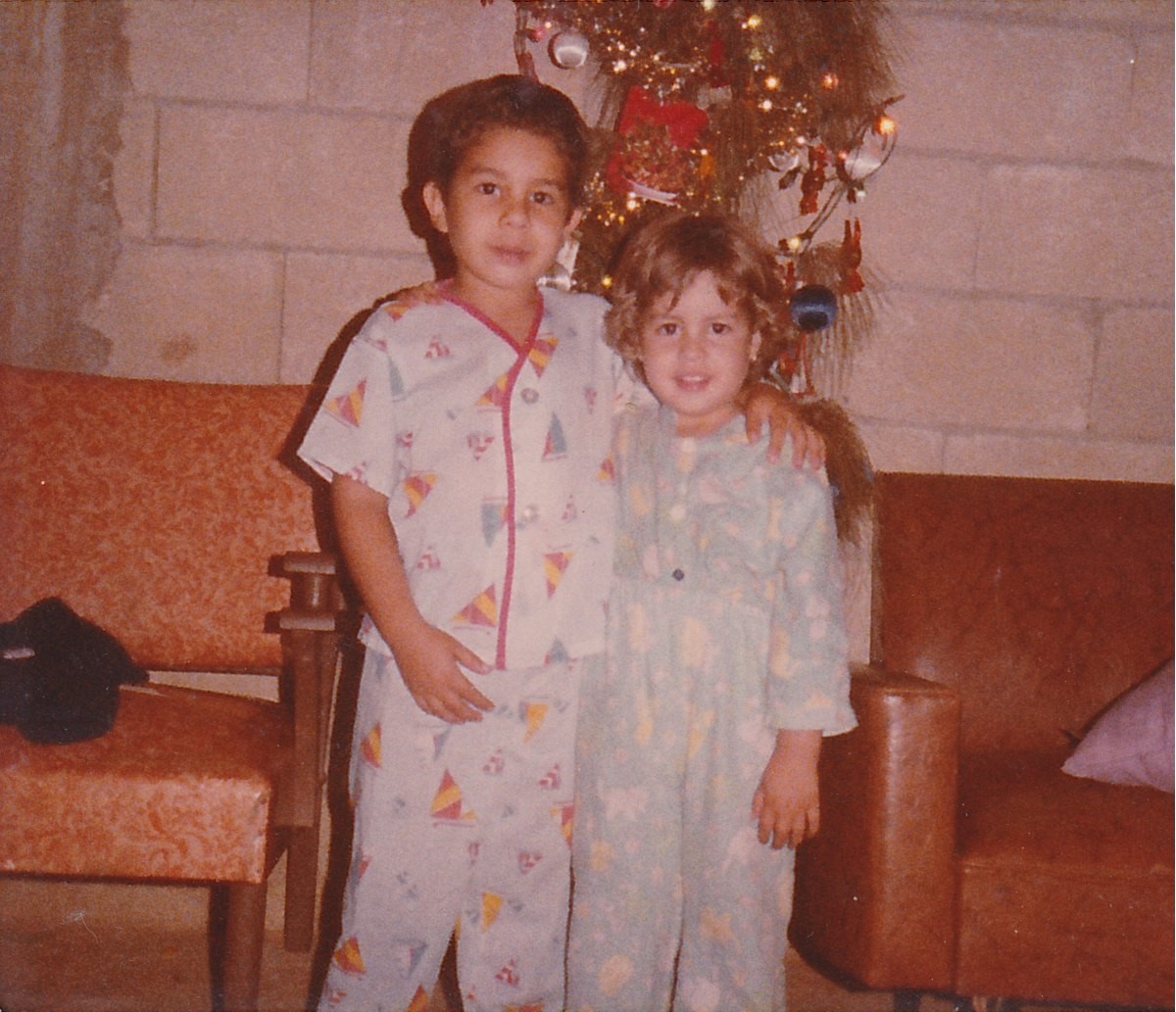
I remember a picture the other day. It was a picture with my sister and I, in front of a Christmas tree. I couldn’t remember what we were wearing, but I do remember that it was taken in the house we grew up in. It was taken many Christmases ago.

When you move as much as I have, memories are all you have left when important dates come up. Living away from the place you consider home means that you always carry with you the memories of special dates. Christmas in particular is a difficult time for me. I grew up in the mountains of Puerto Rico, where the weather this time of the year is cold, but not freezing cold as it is where I live now. The holiday music is festive, cheerful, loud, at a fast tempo, and is everywhere. Caribbean sounds fill up the air; not the slow, often dark, and to me, sad songs with northern European origins. Christmas music for me is drums and guitars, is tambourine and maracas, is güiro and cuatro. Parrandas fill the nights with music as people gather late at night and go throughout their neighborhoods signing traditional music from house to house. All homes are always ready for parrandas. There’s always food: hot chocolate, crackers, guava paste, queso de hoja (a type of homemade white cheese), and of course, the last home that is visited must prepare an “asopao”, or soupy rice with either chicken or pigeon peas.

Our Christmas tree at home was always humble. I still remember the year when my dad decided to just take a coffee tree and wrap its branches with aluminum foil. We placed lights and ornaments and it’s still the most beautiful Christmas tree I had ever had. The tree on the picture I remember was humble as well. We had gone to my grandfather’s farm and cut a pine tree. It did not have the aroma of the fir trees or the spruce trees, but it was beautiful in its humbleness. We put garlands and ornaments and musical lights on it. The tree would not have presents. Ever. Presents were not to be placed under the tree or given on Christmas Eve or Christmas Day. We had to wait until Epiphany, the Feast of the Wise Men, on January 6th. The day before my sister and I would gather some grass for the camels, place it on empty shoe boxes, and place those under our beds. The Three Kings will leave present then… and we will have a week or two to play with them before going back to school.

When you live in exile, or away from home in any form, these memories are all you have. You remember the holiday, and the music, and the presents, and the food, and the family time. You remember that nothing will go back to what it was. You remember that life goes on and you must adapt.

I found the picture among my things. My sister and I are wearing pajamas. The Christmas tree looks as beautiful as I remember. It brought back all the memories of Christmas past, in the mountains of Castañer, waiting for parrandas and for the music. It is Navidad; it is home.

IMG_0002

Leave a comment

Filed under Christmas, Culture, ethnicity, familia, History, Identidad, Identity, Latino, Navidad, niña, niñez, niño, Puerto Rico, Recuerdos, tradiciones, Uncategorized

Seven Words of Christmas

Word ArtThe news have reported that the current White House administration instructed the Centers for Disease Control (CDC) from using seven words on their budget documents. With seven days left for Christmas, I decided to take the time to write a piece each day highlighting one of the seven words.

In the Christian tradition there is the sharing of the Seven Words. These are phrases that Jesus shared while being crucified. Many Christian churches share and preach on these Seven Words during their Good Friday liturgies. The Seven Words are the climax of what Christian theology calls “the story of salvation.” The last words that Jesus shares are: “it is finished” (John 19.30) and “into your hands I commend my spirit” (Luke 23.46.) After these words, Jesus expires.

According to the timeline of events, after Jesus expires on the cross he is placed into the tomb and on the third day he is resurrected. This is the hope of the Christian person: no matter how difficult the journey is, no matter how painful the culmination of life is, there is always the hope of resurrection. This is the message of Holy Week.

Why am I writing about Holy Week on the season of Advent leading into Christmas? Because the Seven Banned Words of the CDC are a mirror of those other Seven Words of Holy Week.

The current federal administration has been crucifying the remnants of the facsimile of democracy that the United States had. With each carefully orchestrated move, the current administration tries to diminish the people’s confidence and trust on institutions serve the country. They are intentional in the use of words to describe the institutions that keep some resemblance of democracy. The administration’s furious attack on the free press, their obsession with political rallies a year after elections, their systemic appointment of people completely unprepared and unqualified to lead the agencies they are appointed to oversee, their deliberate construction of lies disguised as truth, the unashamed use of FOX News as state propaganda television, and a myriad other big and small actions that undermine democratic processes are just the tip of the iceberg. The United States democracy is being crucified.

Diversity

Fetus

Transgender

Vulnerable

Entitlement

Science-based

Evidence-based

These words represent all that society stands for when they are on their way to progress. French philosopher and founder of Sociology, Auguste Comte, wrote about the stages of human progress. In Comte’s theory, societies move towards progress. There are three stages of society: theological, metaphysical, and positivist. A theological society looks at an unknown occurrence and places all responsibility on unseen beings that control our destinies. Any possibility of progress is thwarted by the society’s fear of angering their mythological beings. A metaphysical society is in the middle stage. Societies in this stage begin to understand that there are certain things that have an explanation. The understanding of actions and their consequences are part and parcel of this society’s natural development. Neither one of these two types of societies is inherently corrupt or ignorant. You cannot know what you do not know. However, these are not ideal societies. The ideal society is one in which members are exposed to a systemic way of understanding truth. To this Comte called a “positivist society.”

Although Auguste Comte’s positivist approach to explaining society is not ideal, it does have merit, especially taking into consideration the banning of words in certain official documents by the current administration. A positivist society understands that humanity is on a journey forward. This journey cannot be contained, no matter how much the powers that be may try to stop it. Resurrection is the conclusion to the crucifixion. Progress is the conclusion to temporary repression.

Democracies are vulnerable entities. They can suffer from the ego of leaders who place power over service. Interestingly, Christmas is the time of vulnerability. In the Christian tradition, Christmas commemorates the birth of a vulnerable child, from a vulnerable family, who was threatened, even as a fetus, with destruction by its enemies – political, economic, societal, cultural, and religious, among others. Christianity proclaims that this child that was born transcended what humanity understood at that moment about the relationship between humanity and its divine sovereign. Some theologians propose that this transcending experience of God made Sophia, the common image of God as Wisdom, take the form of Christ in the person of Jesus, thus making God a transgender reality showing humanity how close the Divinity is to all of humanity. The diversity of opinions that ages of science-based social studies and evidence-based conclusions have shown us, is evidence that societies do tend to move forward towards progress and positivism. It is our responsibility, our duty, and even out entitlement as engaged members of a functional society, to be in solidarity with the vulnerable democracy that we are so desperately trying to save. Resurrection is the conclusion of crucifixion, even during the time of Advent and Christmas.

Leave a comment

Filed under Academy, Creativity, Culture, discrimination, Human Rights, Identity, LGBTQ, Philosophy, Queer, resistance, Sociology, Theology, trans, transgender, United States, USA

The Lazy Spic

10400503_18166125619_9115_nYesterday I worked a twelve-hour workday. The day before I had worked for thirteen hours straight. The day before was nine hours. I had taken exactly two days off in four months since I started my new job. I have worked on weekends and even when I have given my staff a day off, I have gone to the office or worked from home to finish a project or start a new one. My staff is always supportive and they have, on more than one occasion, asked me to take it slow, to pace down, and even encouraged me to take a day off. The Board of Directors of my organization expects me to work hard, but they have also encouraged me to practice self-care, to take time off, and to work at a healthy pace. I can show you emails, texts, and social media messages I have gotten from staff and Board members encouraging me and reminding me of practicing self-care. Yet, I continue to work.

Why do I do this? Sure, I love what I do. I thoroughly enjoy administration, management, strategic planning, and all that comes with this. But there’s a second, equally important reason why I work so much… and it is not because I am a workaholic.

The first new world in learned when I moved to New York City in 2000 was “spic.” There was a definition attached to this term. The spic is a lazy person; they live off of government handouts, they despise work, they are irresponsible, the have moved in droves to New York City and had made the space less livable, less desirable, less safe. The spic didn’t speak English and didn’t want to assimilate to the evidently superior “American” culture.

People – especially USAmericans – have been enraged with President Trump’s comments about how Puerto Ricans have not done enough to help ourselves in light of the major natural disaster we have just experienced. For Trump, we are lazy people who do not want to work collaboratively. This is what he was taught about our community in the New York City of his early childhood. For the USAmerican public, for the most part, these are atrocious accusations. For the Puerto Rican community, these are just the same comments we’ve been hearing since our community started migrating to the mainland in the 1950s.

Although I commend and welcome the rage that Trump’s comments have sparked among my USAmerican friends, you must understand that his comments are not made in a vacuum. Trump is talking about the lazy spic that I have been told I am.

As a Puerto Rican living in exile, you are taught that you are part of a group of people who are, at once, “job stealers” and “lazy people.” How is it possible that we steal “American” jobs and don’t work enough at the same time, I have no idea.

Perhaps for many of you it was a surprise that the President of the United States depicted the people of Puerto Rico as lazy people who do not help ourselves. However, this is what we have heard as a community since the 1950s when our people started migrating in droves to the USA due to the economic realities of the Island cause, precisely, by the USA’s policies towards its colonies. It is this message the one that is still ingrained in my head, to the point that I work and work and work, lest someone accuse me of being lazy and not doing enough.

This is not something I am making up. Neither is this something that happened a while ago and certainly not in so-called “progressive” spaces. On the contrary. This thinking that Puerto Ricans, and Latino people in general, are lazy is still alive. Take, for instance, what happened to me for four years while I served a progressive congregation in one of the most so-called progressive cities in the USA. A woman who self-appointed as the leader of the church would call my office at random hours of the day, just to check that I was there, just to make sure I had come to the office that day. She wouldn’t want to talk to me. She just wanted to make sure that I was there. Her excuse was that she had heard I had not been active in the community, or doing enough home visits to the folk in the congregation. She used her self-appointed status as a leader of the church to let me know that “there were concerns” in the church that I wasn’t being effective. Of course, like any good oppressor, she couldn’t notice the flaw in her argument: I had to be in the office so I could demonstrate that I was doing my job of being in the community and visiting folk.

When you are confronted with this reality every day, you learn to navigate the system. You know that you must be perfect, perform beyond what people’s perceptions of your abilities are, and work twice as hard as anybody else. No wonder the great Nuyorican poet Pedro Pietri wrote about our community:

They worked
They were always on time
They were never late
They never spoke back
when they were insulted
They worked
They never took days off
that were not on the calendar
They never went on strike

without permission
They worked
ten days a week
and were only paid for five
They worked
They worked
They worked
and they died
They died broke
They died owing
They died never knowing
what the front entrance
of the first national city bank looks like

Juan
Miguel
Milagros
Olga
Manuel
All died yesterday today
and will die again tomorrow…[1]

[1] Pedro Pietri, Puerto Rican Obituary, 1969

1 Comment

Filed under Culture, ethnicity, Heritage, Hispanics, Hispanos, Human Rights, Identity, justice, Puerto Rico, race, racism, resistance, Sociology, United States, USA

Después del Huracán

ebb60db07e3f8f1493c405ca43b96ba6

Mi abuela Margot y mi abuelo Quino vivían justo frente al Río Guayo. El puente que une a la municipalidad de Adjuntas con la municipalidad de Lares está justo frente al que fuera su hogar. Era en este río en el que nos bañábamos en el verano. Cuando pasaba el huracán, era en este río donde nos hacíamos más familia y más comunidad.

Dice el dicho que después de la tormenta, viene la calma. Esto es quizás así; pero después de la tormenta también vienen los desafíos de cómo vivir sin las necesidades básicas a las que nos hemos acostumbrado. Después de la tormenta también vienen los días sin luz, sin agua, con comida limitada… vienen los días largos sin saber cuánto tiempo será antes de que la vida vuelva a la normalidad. Después de la tormenta viene el resuelve, como le llamamos en mi pueblo.

No es secreto que cada vez que hace un viento fuerte, la frágil infraestructura de Puerto Rico sufre. En mi barrio, digo yo que cada vez que alguien destornuda duro, la luz se va. El agua potable también es un reto. Esa viene cada dos días; a veces un poco menos seguida. Prácticamente casa cuenta con sus tanques de agua para recolectarla cuando está disponible y así mantener el suministro cuando se vuelva a ir. Cuando chiquito, teníamos acceso a una quebrada de la cual sacábamos agua para tomar. El agua para uso diario la traíamos también de allí, pero por tubos y con bomba que mi papá instaló. Había conexión al sistema de la AAA , pero no dependíamos de ella para abastecernos de agua.

Recuerdo que después de los huracanes, cuando tanto la luz como el agua se iban por semanas, trasladábamos algunas de nuestras rutinas diarias al Río Guayo. Allí, debajo del puente que une a Adjuntas con Lares, un grupo de mujeres – la mayoría de mi familia – sacaba barras de jabones, paletas, cestos y tablas para lavar ropa. Sentadas en piedras o en banquitos que sus maridos le hacían, las mujeres comenzaban a lavar las ropas de sus familias. Con cada estrujada de ropa, con cada movimiento de limpieza, comenzaban los chistes, las carcajadas, las noticias del día y los chismes de barrio. Con cada pieza lavada, se enteraba uno de los planes para las comidas comunitarias de más tarde, de las posibilidades de que la luz y el agua llegaran más tarde de lo esperado, o de dónde ya estaban vendiendo pan caliente…

La niñez recorría el puente y nos tirábamos al río. Las madres nos gritaban que nos quedáramos quietos porque algo nos podía pasar. Algún niño o alguna niña, siempre, nos arruinaba el día cayéndose entre las piedras y abriéndose alguna herida. En ese momento se paraban todas las actividades para darle consuelo primero y un buen regaño después – o quizás era al revés, no recuerdo – al niño o la niña lastimada.

Los maridos, mientras las mujeres limpiaban las ropas, se iban a seguir limpiando los caminos. Vivir en el campo significa dos cosas: siempre hay mucho árbol en la carretera cuando pasa una tormenta, y los caminos no han sido construidos de la mejor manera así que siempre estarán en necesidad de reparación. Recuerdo que mi papá se llevaba la guagua pick-up, su machete, su sierra y cualquier otra herramienta que fuera útil, coordinaba con otros y se iban por caminos que sabían que los gobiernos municipales y estatales no les darían atención. Así era como comenzaban a ayudar a que los vecinos se conectaran. Después del huracán, la comunidad se juntaba para levantarse.

En algún momento del día, cuando ya las ropas estaban limpias, se reunían las mujeres para cocinar. Las ollas eran de tamaño enorme, como para alimentar a un ejército. Se cocinaba lo que hubiese: arroz, habichuelas, gandules, bruquenas del río, chopas del lago, pollos, puerco, guineos, ñames, yahutía, malanga, chayotes, plátanos, huevos… En fin, lo que hubiese por allí se hacía de comida para todos y todas. Después de la comida salían las sillas y las mesas, el juego de dominó estaba listo. Esta era la parte favorita de mi abuela paterna: el juego de dominó. No había en todo Castañer una persona más fanática del dominó que mi abuela Margot. Sus hijos e hijas le temían en la mesa. Ninguna o ninguno la querían tener como pareja de juego, porque si perdías la mano de dominó, ella te desheredaba. ¡Doña Margot no jugaba con su dominó! Abuela gritaba, se emocionaba, se vivía el juego desde el comienzo. Verla jugar dominó con una estrategia nítida, desarrollada por años de devoción a su juego favorito, era toda una experiencia.

Para mí, de niño, el tiempo después del huracán era más como una película de acción y de aventura. Era el tiempo en que la familia y la comunidad se unían. Era el tiempo de jugar debajo del puente del Río Guayo y comer en familia. Era el tiempo de ver las estrellas en el cielo al final del día, cuando se abría el firmamento y se iluminaba el cielo raso con un millón de estrellitas que nos recordaban tanto la fuerza de la naturaleza como el tesón de un pueblo que se levanta su dolor para alcanzarlas.

Leave a comment

Filed under familia, Heritage, Hispanics, Hispanos, Huricaine, Identidad, Identity, Latino, Puerto Rico, Recuerdos, tradiciones

While Waiting for News of My Family After Hurricane Maria

69735502People have asked me how I’ve been able to function these past few days. It has not been easy. My parents, sister, and I had been estranged for years. When I was diagnosed with cancer, they reached out. My husband and I visited with them for the first time on December 25th for their Christmas party. We’ve been in communication ever since.

As the hurricane approached, we stayed in communication through text. Then I called a few days before to check up on them. My mom was calmed and not too worried. Cellphone signal had came back just the day before I called. They still had no power in the neighborhood, but the water was back. They were prepared; they had water, food, fuel, and an electric plant. My sister – who works for the Department of the Family of the Commonwealth – had visited a shelter and checked up on her clients. They were ready to face the hurricane. The last I heard from my mom was a reply to my text saying: “yes, I am calmed.”

Those are the last few words I have from my family. I have not heard from them yet.

I have read news reports that tell me my neighborhood is fine and that there are no registered deaths in my hometown as of today. I read about the efforts to clear the roads and make sure that people have access to larger towns to get supplies. But there are no ways to get in touch with the outside world. How does the word go out about what’s happening? People from the metro area in San Juan who have family in Adjuntas go down to check up on them and then share what they had seen and heard on social media as the limited access to cellphone coverage allows them to.

But now going back to the question: How have I been able to function?

I have compartmentalized my self. Having to communicate in English helps. It is not my language. It is not my soul. It is not what connects me emotionally to the world. I focused on the tasks. I focused on the routine (of not having a routine), and pay attention only to the work in front of me. I have the news in the background and read the texts and news that I get constantly. But those are in español, those do not belong to the workplace. Those belong to mí.

I have compartmentalized my life in the past few days. Sure, I have shared news with coworkers and friends who ask. I have even shed a tear or two while doing so. I have tried to perform what is asked of me by the US society: calmness, be collected, show little emotion when talking about such things, etc. Like always, I have learned how to perform according to the social rules of the social mores of the society I live in. I have completely disconnected myself from all, creating walls that separate the mí from the me.

When I am home, or when I am speaking with a close friend, or when I am alone in my office and listening to the news, I cry. I let it all go and finally feel mí.

I know that my family is fine. Something within me tells me so. I also know that it will be probably weeks before I hear from them. I, too, am from those areas in the world where nobody cares about you; where the government has nothing to gain but votes every so often, where “charities” have no good faces or locations for photo-ops. I am from the place where the only thing that helps us is ourselves: the community who stands up, puts on their boots, picks up their machetes, brave the remainder rain and winds, and goes out to join one by one as they clear paths and help restore their comunidad. That resiliency is what helps me function. I am a jíbaro, and jíbaros don’t give up.

Leave a comment

Filed under Español, ethnicity, familia, Heritage, Hispanics, Hispanos, Huricaine, Identidad, Identity, Latino, Puerto Rico

The Church Is Not A Safe Space

The last time I was in church was for the installation service of a close friend. I attended because she invited me to preach and that was a huge honor. The last time I attended church before that was the Sunday after election in the USA. Having been raised in the Church, I often relied on this community to be the safe space where I could bring my fears into with the hopes of being healed.

When Republican Party enthusiasts, emboldened by the rhetoric of President Trump and Republican leaders in the USA Congress, led a group of white supremacists, Nazis, and Ku Klux Klan sympathizers to march on the streets of a public university in Virginia, I felt the need to return to Church. I woke up on Sunday with the idea of finding a nearby congregation to attend. Somehow, I had equated church with healing and community and restoration. But then, I started to doubt it. I stopped to think about what Church had really been for me. All throughout my life, Church had not been a welcoming, healing, restoring community. On the contrary: Church was the people marching on the campus of the University of Virginia with torches, threatening many of my communities with violence and death.1374087_10152239912835620_459114692_n

Since my childhood time in Church, I had only heard hatred and violence against “sinners.” The goal was to rid the World from the sinful; to establish God’s kingdom, where the violent will reign with Christ and the Earth would be transformed into their playground. The images of fire and destruction were the ones used to exemplify this future. The King will stand to divide the crown and send some – the goats – to the pits of hell to rot for eternity, with pain and punishment unimaginable. Others – the sheep – will be lifted up to heaven to be with their Ruler.

I have been in several churches throughout my life, both as a parishioner and as a pastor. Every church has been different: my rural Baptist church in Puerto Rico, the underground Metropolitan Community Church also in Puerto Rico which I led for a few months before going to seminary, the urban, large Baptist church that sent me off to seminary, the suburban, white, moderate Baptist church that ordained me, the small, urban Hispanic Baptist church in New York City that welcomed me as their pastor, the multicultural, urban Methodist church also in NYC that provided refuge and welcomed me as a leader, the urban, liberal, white church in Seattle that made me question my call to ministry and which proved me that liberal churches are no safer than conservative ones, and the little suburban Episcopal church in Wisconsin with a worship service in Spanish that offered a few months of refuge while I served other ministries.

Here is what Church has done to me:

Church was the place where my first conversion therapy sessions happened. It was the place where I was made ashamed of my sexuality. It was the place where I learned to be secretive and embarrassed about liking men. It was the place where people gossiped about their neighbors throughout the week while coming to pray together on Sunday.

Church was the place where I had to hide my sexuality even as I was both on the ordination process and as I served as a pastor. It was the place where I was asked not to be creative with liturgy as this was not welcomed. Such experience was once again relived as I was invited to write for a white denomination’s worship resources and my work was deemed too “intimidating” because it didn’t fall within the liturgical styles of the white church. Both homophobia and white supremacy were present this weekend in Virginia. Both homophobia and white supremacy were present in this church experience for me.

Church was also the place where the white visitor who saw me walking down from my office responded to my greeting by saying “Are you the janitor?” No, I was not. I was the preacher that day, and perhaps that’s why you didn’t come back?

Church was the place where, behind closed doors and without ever telling me, the congregation had the excellent idea of paying for speech classes for me to become a better speaker of English… instead of learning how to accommodate their ears to a different accent. But that’s OK for them, because they are “liberal” and they “get it.” They too were present at the demonstrations in Virginia.

Church was the place where the fragility of the person who bullied me was most important than my safety. It was the place where I approached with caution because each time I pulled over to the parking lot, my hands started to shake and my heart started to race as the bully’s car was parked there too. It was the place where her dismissal of my leadership was encouraged; the place where they welcomed meetings with her behind my back to talk about the supposedly weak pastoral care I was providing the congregation, without ever knowing that I was often visiting, listening, calling, and praying with the elders who had asked me point blank to please keep this woman away from our household because they were afraid of her too… But I could not tell her that without facing the doubtful stares of cheering crowd. Church was the place that didn’t allow me to fall asleep from Friday night to Sunday night just because of the fear I had of coming to worship on Sundays. Even after trying different prescriptions – yes, prescriptions from my doctor – and relaxation methods, I could not do it. The bullying was that strong, and the lack of support was too much. This white fragility that didn’t allow this bully to recognize the leadership of a Latino man in church also marched in Virginia this weekend.

Church was the place where the priest addressed the violent rhetoric of the election season and the overwhelming support of white supremacists for President-elect Trump by calling the small group of Latino and Latina people by asking us… us… to come together with our oppressors and to find unity.

This was the last drop. I had tried long enough to make the Church a place of respite and community. The Church has not been such a thing for me. I need to break from this abusive relationship for good. Church, you are not safe for me as long as you march with torches and hatred.

Perhaps Church has been different for you, and for that, I am glad. Perhaps you will send a few words of “encouragement” and some apology on behalf of the Church. Don’t. I do not need them, nor do I need to explain more than I had already expressed here. Theology as a discipline and a field of study will continue to be a passion for me. The Church as a place for community, on the other hand, will not.

2 Comments

Filed under Church, Culture, discrimination, ethnicity, Gay, Human Rights, Identity, LGBTQ, ministry, Philosophy, Queer, race, racism, Sociology, Theology, United States, USA

I March For My Niece

My niece, Emely, is nine years old. She is bright, and funny, and loves to read, and loves math, and wants to become a singer and actress. A couple of years ago she had a list of books she wanted me to buy for her. Of course, as a bibliophile, I complied and bought all the books she asked me for and more. When I visited her again, she told me about one of the books I had given her.img_7249

I still remember when Emely started school. Since Emely grew up in a Spanish-speaking household, when she started school she didn’t speak English. She learned the language from her teachers and her classmates. On one occasion, when I asked her to speak Spanish with us and use English for other conversations in order to help her stay bilingual, she said something that shook me to my core. “Spanish is UUUUGLY!” she said. With a heavy heart, I asked her why she said that. She said that everyone in school said it. Spanish is ugly. English is beautiful.

I have talked with Emely about the importance of learning as many languages as she can. I have told her about the importance of using both English and Spanish to communicate, and to take any opportunity she might have in the future at school to learn other languages. I have told her how proud we are of her. I have continued to make sure that she is proud of her Mexican heritage and that she understands what it means to be a USAmerican too. I have shared with her my own Puerto Rican culture and heritage and have encouraged her to adopt what she might want to adopt from it. I have shared with her how wonderful it is to have a non-traditional family, and what a blessing it is that she has a wonderful, supportive, caring mother, and two dads, and so many uncles and aunts, and siblings who live in different homes, and a madrina and a padrino who care deeply for her.

img_7149Today, as a white supremacist, xenophobe, and sexual predator took the oath of office as President, I worry about Emely and her future as a Latina woman growing up in the USA. I know I cannot protect Emely or her brother all the time. I also know that her parents’ immigration status prevents them from providing all the protections that she – both of them, my niece and my nephew – deserve. But there are some things I can do. I can join the RESISTANCE and stand up for my niece.

And so, Emely, I will march tomorrow, Saturday, January 21st. Emely, I will answer the invitation from other women around the USA and the world to stand up to injustices against women. Even though you might be too young to understand, I will march because I love you, because I respect you, and because I believe in you as a woman.

There are also other reasons why I march in solidarity with my niece tomorrow. These are not the only ones, but here are some reasons to march:

I march because I believe that my niece Emely’s brown body is hers and only hers. No one, no matter what position of authority they might have, even if it’s the Presidency of the USA, has the right to touch your brown body, let alone grab it violently and without permission.

I march because I believe that you have the right to education, and that you have the right to make choices as to how far you want to take your education and what profession to pursue or not pursue. You have the right to access a job that is suitable to your abilities and your passions, and to be paid fairly and at the same rate than any male who will do the same job.img_9337

I march because, when the time comes for you to make choices about your body, it should be you, and only you, who make those decisions. Because your brown body is yours and deserves to be respected and honored. Because your brown skin is beautiful, and normal, and is neither “exotic” nor a stereotype to be paraded at the whim of those with power.

I march because I know that your parents can’t be exposed to deportation and because I want to continue being your uncle, not having to be your foster parent should something were to happen to my brother- and sister-in-law.

I march because I believe that, although you have been raised Roman Catholic, you should have the right to make the decision that makes YOU comfortable. I march because, if in the future you want to wear a hijab, you should be able to do it without fear of intimidation. I march because if in the future you choose not to believe in anything, you should not be punished for having no religion.

I march because I believe that you should feel safe in wearing whatever the hell you want to wear in public. I march because I believe that you should feel safe walking down the street and that no one should be cat-calling you, or intimidating you, or threatening your life and safety.

I march because I believe that you should be free to choose to love whomever you want to love, just as I love your uncle who gave me the blessing of being welcomed by this wonderful family that now both you and I, as outsiders, call “nuestra familia.” I march because I believe that you should love as many people as you wish to love and not being condemn for it.

I march because, if I march today, I know… I know… that by the time your Quinceañera comes, this will be a safer place for you and all your loved ones.

I could continue listing reasons to march, Emely, but I can’t. My eyes are filled with tears – you know how much I cry – and I can’t write anymore. But be sure, sobrina, I will march for you. I march for you, mi querida sobrina. I march because I know that staying home is not an option.

Leave a comment

Filed under Culture, discrimination, ethnicity, familia, Feminism, Heritage, Hispanics, Hispanos, History, Human Rights, Identidad, Identity, immigration, justice, Latino, niña, niñez, niño, Peace, race, racism, resistance, Social Movements, United States, USA, Women rights

I Have No More Tears Today

Oh, no! She sits alone, the city that was once full of people.                     Once great among nations, she has become like a widow.                  Once a queen over provinces, she has become a slave.                             She weeps bitterly in the night, her tears on her cheek.                           None of her lovers comfort her. All her friends lied to her;                   they have become her enemies.                                                                          Lamentations 1.1-2

I have no more tears today. I have cried since last night.

I have cried for the future of my family.
I have cried over the prospect of having a Supreme Court that will undo my marriage, and with it, all the protections that my immigrant spouse has.
I have cried for the well-being of my niece and nephew whose parents might be taken away from them.
downloadI have cried for my other relatives who live and work and contribute to the economy of this country while not being able to access proper documentation.
I have cried for the prospect of my own, Congress-imposed US citizenship been revoked with no other alternative to fall back on.

I have cried for my friends.
I have cried for my gay, lesbian and bisexual friends whose rights are now at the hands of vice-president elect Pence, who has done all in his power to strip LGB Indianans of their rights.
I have cried for my transgender siblings whose lives are placed in great danger due to the same vice-president elect and his antics.
I have cried for the many women I know – young and old – whose safety is not guaranteed anymore as a sexual predator takes over the highest elected position in this country, thus giving permission to other predators to “grab”, to touch, to violate their beings.
I have cried for the workers of this country, whose wages are going to be frozen for decades to come and whose jobs are not guaranteed anymore as they are being shipped overseas as the president-elect has done with all the other bankrupt businesses he has run.
I have cried for the poor and sick who could barely access healthcare and had a last fighting chance with the soon-to-be-overthrown Affordable Care Act.

I have cried for humanity.
I have cried for the black community whose safety – which has never been guaranteed – will now face “stop and frisk” experiences with the proposed changes in law and order.
I have cried for the Native American communities whose ancestral lands will be desecrated without impunity.
I have cried with the immigrants and refugees who will no longer find relative safety in this country nor will they be welcomed to access it anymore.
I have cried with those of us who practice some form of faith – whether Christianity, Judaism, Islam, Hinduism, Sikhism, Buddhism, or any other – whose religious liberties will be at the whim of the far-right Evangelical Christian camp that will dominate this fascist regime.
I have cried for the environment and all the relentless desecration that will occur.
I have cried for all the people of all the countries that the president-elect has promised to destroy making use of the military forces that are now under his control.
I have cried for all the children who will not be safe any longer for a generation or two as laws protecting them will be revoked.

I have no more tears today. The only thing that I still hold on to is the hope that the fascist government ahead will help this country wake up from its deep slumber and that it will shake it to its core as to make it see how terrifying the near future looks like.

Leave a comment

November 9, 2016 · 10:59 am