I continue sharing some of my experiences traveling throughout Latin América this Hispanic Heritage Month. As always, it’s my hope that these reflections help you contextualize our region and ignite a bit of curiosity to explore beyond the tourist traps of our countries.
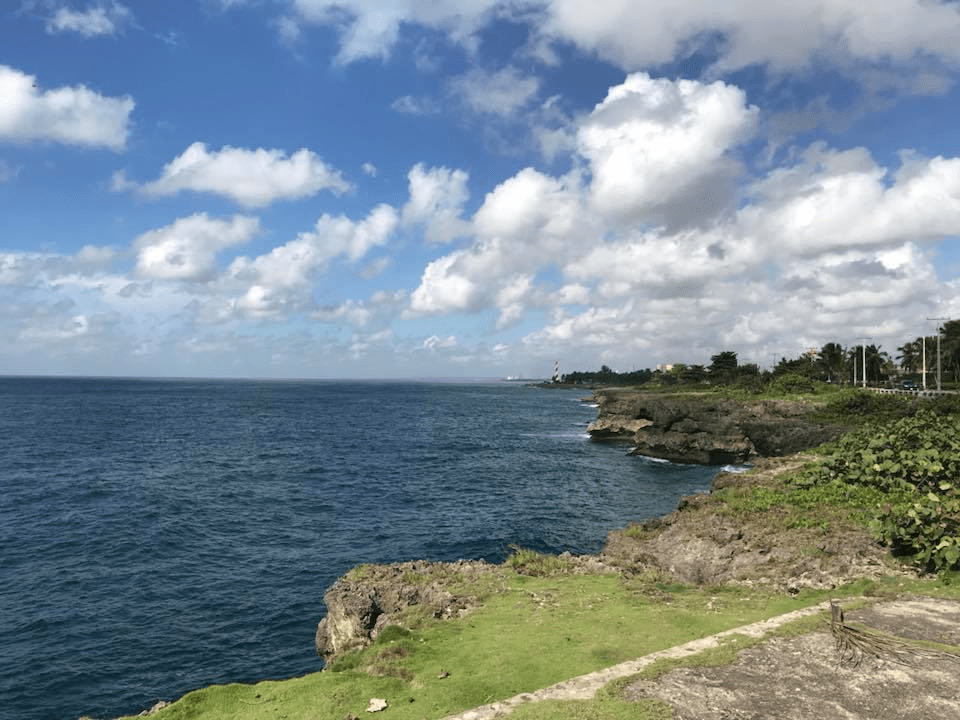
The beauty of the Caribbean can be admired from anywhere in Quisqueya.
Today, I share with you all a bit of my experiences traveling to Quisqueya, the eastern half of the island of Española or Hispaniola as it is known in English. You might have heard of this place by its modern name: Dominican Republic or, in Spanish, República Dominicana.
The ties between Puerto Rico and Dominican Republic are strong. Perhaps not as strong as the historical ties between Cuba and Puerto Rico, but in more recent times, PR and DR have shared much history and culture. The Dominican population in Puerto Rico is quite large. In fact, I would venture to guess that no family in Puerto Rico hasn’t had a Dominican person as part of it. (My own family has welcomed two Dominican people into the fold… and as result of one of these marriages, at least two of my cousins are DominiRican.)
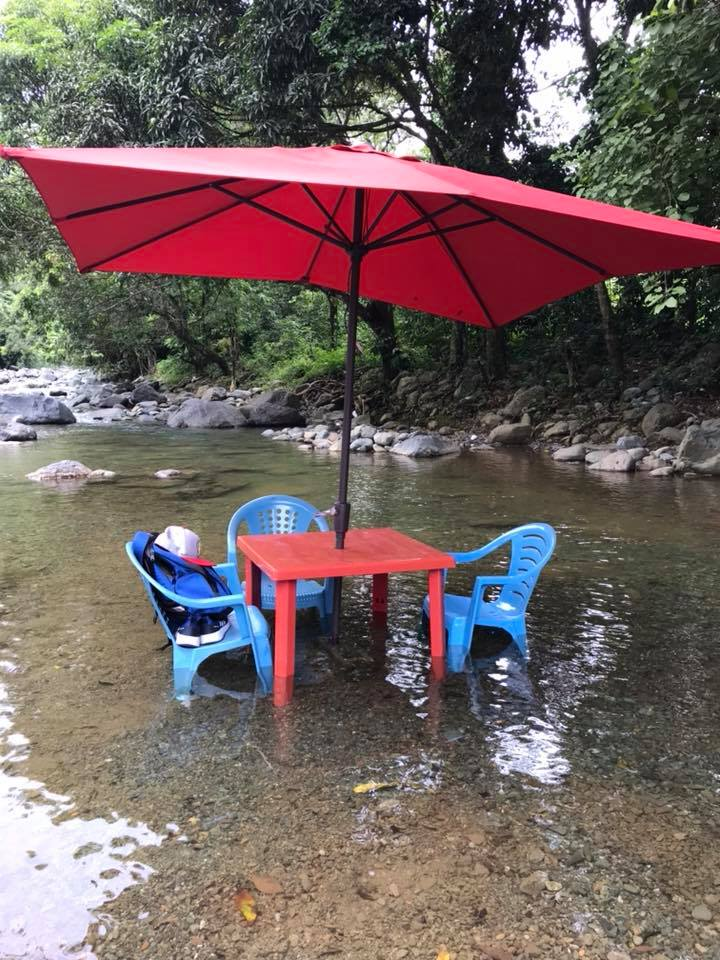
A day trip to the mountains offered a great experience eating right by the stream.
The first time I traveled to Quisqueya was from Puerto Rico. The flight is short, and I did what most Boricuas do when they travel to DR: stayed at a resort by the beach.
But, being the person I am, I could not just stay there. I rented a car and went on to explore at least a little bit of Santo Domingo, its capital city, as well as a couple of cities and towns in the vicinity.
Santo Domingo is the oldest Latin American capital. It was the first city established by the colonizers in the Américas, having been founded in the XV century. (The only city established by the Spaniards in the Américas during that century.) The old city is a beautiful place. I have visited Santo Domingo twice, and I find it mostly charming, filled with history, and somewhat magical. Walking through the ruins of the Monastery of Saint Francis (Monasterio de San Francisco) in the old city is stepping into over 500 years of history, colonization, slavery, and independence. As I walked around the city during my first visit, it was important to me to visit the tomb of one of the most prominent figures in Puerto Rican history, politics, ad struggle for decolonization: Don Eugenio María de Hostos. “Nobody is a prophet in their own lands” goes the saying, and that’s exactly what happened to Hostos. I will not go into details about his life here, but he is known for bringing public education to most of Latin América. Although he received some recognition in his native land, it was his adopted country of Quisqueya who offered him eternal rest. When I visited the first time, his body was the National Pantheon, where the heroes of the nation rest. Standing by tomb was my show of gratitude to Hostos, for inheriting so much to us in Boriquén. The Pantheon in itself is an impressive building filled with history, and a place that the visitor should not miss.
San Pedro de Macorís was another town visited during my first time in Quisqueya. As luck would have it, there was a youth baseball game when I visited. Witnessing this was a gift. Baseball is in Dominican’s blood. Being able to witness a bit of this youth tournament was a great way to see the soul of the Dominican people firsthand. I highly recommend catching a baseball game — of any leagues — when you visit.
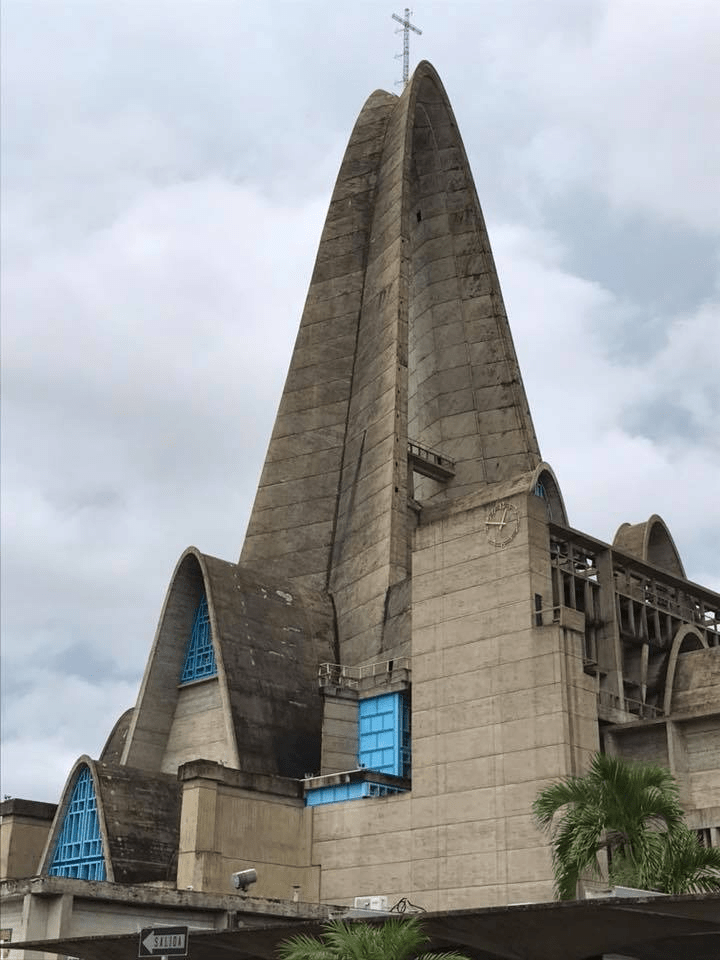
The Basilica of Our Lady of Altagracia is an emblem of modernity and Dominican culture.
During my second visit, I traveled to Punta Cana, a very well known tourist destination. Again, as I didn’t want to spend all my time at the resort, I rented a car and went exploring. I drove to the city of Higüey, where the Basilica-Cathedral of Our Lady of Altagracia is located. This advocation of the Mary, the Mother of Jesus in the Christian faith, is the patron saint of Dominican Republic. The modernist building is filled with a combination of ancient and modern expressions of the Roman Catholic faith. It really is worth exploring, as it shows a face of the Dominican culture that is often ignored. The Virgin of Altagracia is part of the national identity of many of the Quisqueyanos. As I drove from Punta Cana to Santo Domingo on this second trip, I made the obligatory stop at Los Altos de Chavón. I didn’t find the place particularly interesting, it’s just a replica of a XVI century Mediterranean villa, but the views are beautiful and the restaurant had a pretty good selection of traditional Dominican meals, which was a plus.
Once in Santo Domingo, I noticed how boisterous the city is. We stayed near the Malecón — the boardwalk — and all we heard were honks and car noise. The constant honking, day and night, was a nuisance and something I didn’t particularly wanted to experience while in town. Thus, I would highly recommend finding places to stay that are a bit removed from the city, or at least not on main streets. The other disappointment I experienced was seeing the huge amounts of trash that washes up on the coast by the Malecón. Of course, this is not a Dominican only issue. The whole Caribbean is responsible for throwing our trash to the sea, making it easy to collect on the coast of our countries. I think that my disappointment was a combination of realizing that this was all of our fault as well as noticing how little the Dominican authorities are doing to keep their coast clean.
Los Altos de Chavón offer a beautiful view of the coutryside.
However, in spite of my disappointment in the city, the drive to the mountains was different. We took a day trip to explore nature. The drive was relaxing and the sights were beautiful. Taking in all the nature of the country was needed after a couple of sleepless nights due to the honking and constant noise in the capital. I found a river with an open restaurant where they bring you the food right to the middle of the stream. You can go to one of the tables by the river and enjoy the freshness of the waters while also relaxing and having some snacks and a beverage. It was the best part of the trip, and I highly recommend exploring the countryside when you visit Quisqueya.
República Dominicana is filled with beauty, history, and personality. The historic sites are worth visiting, as Quisqueya was the first colonial settlement in the Américas, and understanding its history provides much context for who we are today — both as people of the Américas and as Latin folk. I highly recommend driving around and exploring the hidden areas of the country: the countryside, the farms, the small towns… Catching a baseball game or joining a dominos game at any of the main plazas in any city or town are things that every visitor should do.
As I continue inviting you to explore the places I have visited in our beloved and beautiful Latin America this Hispanic Heritage Month, I want to bring you with me to Panamá.
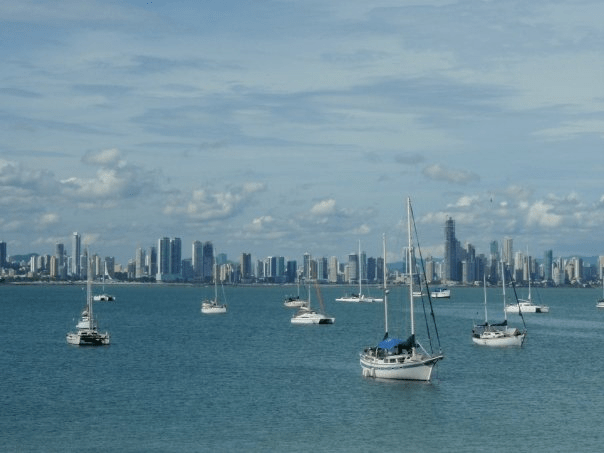
A view of Panamá City from the isthmus. The contrast of modernization with tradition is everywhere in the city.
It is possible that the only thing you know about Panamá is the canal. The Panamá Canal crosses the country north to south, opening a waterway for large container ships to cross from the Caribbean Sea to the Pacific Ocean. The Panamá Canal is quite significant for various reasons. First, because ships no longer have to do the difficult navigation around the southernmost point in the continent through Tierra del Fuego, to reach the Pacific Ocean from the Atlantic. Second, because it helped in cutting Panamá from Colombia, from which it was a department prior to its independence. Third, because the canal was USA territory until 1999, and thus, is another palpable reminder of the way in which the United States have had an overarching presence in Latin American affairs. Finally, the canal is also the big scar that divides the American continent, physically cutting the north and south parts of the large landmass that is América.
I have only visited Panamá once. My mentor, friend, and second mother, whom I met while she was a professor at the university I attended, lives there. Her ties to Panamá are strong. When she attended the same school she eventually taught at, she met the father of her sons, who was at the time, an international student from Panamá. Her sons were born there, and currently, her surviving son’s children live there. It makes sense for her, already retired, to live near her grandchildren and son.
A while ago, I decided I wanted to visit her. It had been quite some time since the last time I had seen her, and I felt it was right for me to visit as she had already traveled to visit me while I lived in NYC and she was in Pennsylvania. I also wanted to meet her son, as I consider her a second mother and it would’ve been great to meet my quasi-brother. Up until that time, Panamá had been a layover stop on my way to other Latin American countries. In fact, I had never stepped out of the Tocumén International Airport in Panamá City before. Thus, I didn’t have any expectations from the country, other than meeting my mentor and friend.
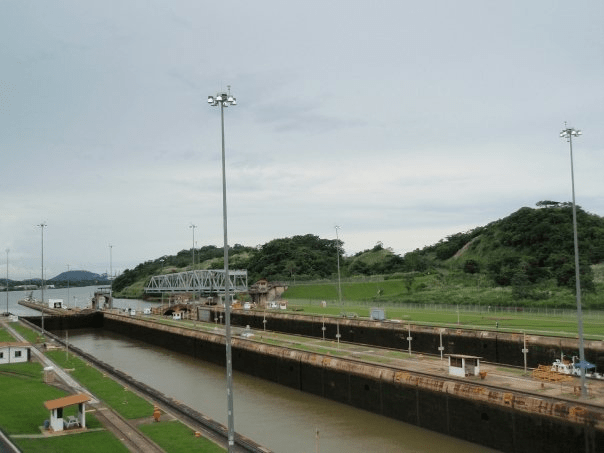
The Panamá Canal is the link between the Atlantic and Pacific Oceans.
What I discovered was way more than a beautiful Latin American country! I discovered a country with a complex history, wonderful people, delicious cuisine, and an accent that was so close to my own that I always felt at home.
My friend is a lesbian activist, and as such, I had the chance to connect with the LGBTQ community in Panamá and experience the country through their eyes.
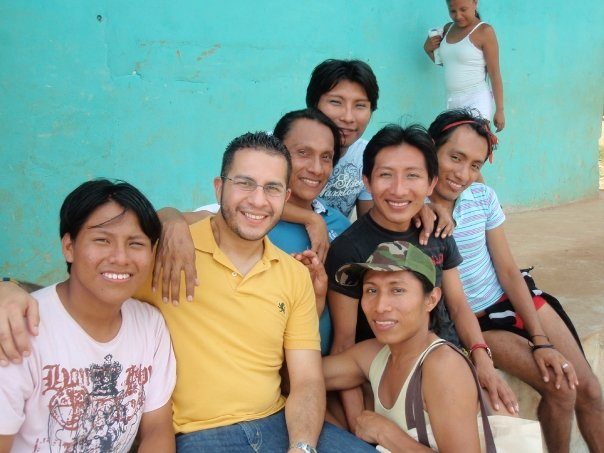
The most significant experience I had in the country, was a visit to the Kuna or Guna people. The Guna are one of the surviving indigenous peoples who the colonizers were not able to erase. Like many other indigenous cultures from around the world, the Guna do not have a strictly binary gender system. In the Guna communities there is a third sex, the “Wigudum”, who play an important role in their societies.
When I visited with the Guna, I had the wonderful opportunity to meet some Wigudum people. Some of them were concerned because, although they had been accepted by the majority of their communities, US-backed Evangelical churches were growing in their communities. This meant that US puritanical and hypocritical mores were being spread throughout their communities, including the marginalization and demonization of the Wigudum. Moreover, the hypocritical aspect of the US puritanical moral code was using Wigudum young people as sex objects in private while rejecting their humanity from the pulpit. At the time, I was serving in parish ministry, and although the church I served is a very progressive congregation, I couldn’t get the guilt off of me. Modern, US Evangelical Christianity is annihilating a culture that survived millennia of colonization.
Still, visiting with the Guna was the most beautiful part of my visit to Panamá. They did not perform for me as a tourist. They did not put on a show to entertain me. I didn’t act as if I knew more than them about their country, their culture, or their struggle. I visited with humility and an open mind, hoping the learn from and with them, even if for just a few hours. I highly recommend connecting with indigenous communities, if possible, when visiting any Latin American country in which there are indigenous communities. Visiting with them will offer a better understanding of their culture, their history, their current realities, and the damage that colonization continues to do.
Sharing with Guna people was the highlight of my visit to Panamá.
Of course, I had the chance to visit the Panamá Canal. It is an impressive view. Watching the huge vessels travel through this intricate piece of engineering is really a sight. It is also an interesting experience to visit the canal zone. The canal was transferred back to Panamá as it was always intended, in 1999. Since then, Panamanians have moved to the zone, while some service members from the USA have also stayed. It is an interesting reality worth witnessing.
The final place I would suggest visiting in Panamá — of the places I visited, because I cannot speak for the whole country — is the old town. Contrary to other old towns throughout Latin America, Panamá’s is small and not well maintained. The structures are crumbling, and they reminded me more of Havana than San Juan. The ruins of the old city are also nearby and they are an interesting place to visit to learn more about Panamá’s development. I am not sure about the rest of the country, but Panamá City is a sprawling experiment on US capitalist development. Huge skyscrapers are being built everyday. Hundreds of housing units unreachable for locals are being sold to international investors with no intentions to help the people of the country. However, since infrastructure is still lacking, water barely reaches the units beyond the third floor, and power outages are very common.
Visiting Panamá was a great experience for me. It showed me both sides of Latin America: the side still connected to our ancestors, cultures, and traditions, and the side that is the unsuspected victim of globalization and US imperialism. As a Puerto Rican, it was a great way to know that my people, my Island, are not alone in suffering the impact of invasive US imperialist policies. As the late Panamanian poet Dimas Lidio Pitty once wrote:
I want to continue taking you on a journey with me throughout my beautiful Latin America. Of course, I can only share the experiences of the places I have traveled, which is what I am doing with this series of publications. Today, I want to take you on a journey to the second Latin American country I visited: Venezuela.
I visited Venezuela for the first time in 1997, right after my trip to Nicaragua. In fact, my little group — three young women and I, all from the same religious group from college — flew from Nicaragua, through Panamá, to Venezuela. There we met with a larger group from the same religious organization from college. However, while we were in Nicaragua, there were general strikes in the country. The public transportation sector had joined the students in strike as prices were going to be raised in the public universities in the country. This meant that the ferries from Ometepe to the mainland were suspended.
Moreover, during this time, there was also an earthquake in Venezuela that devastated parts of the country. This was our first trip to Venezuela and we had no idea where the earthquake happened and whether it was close to where we were supposed to stay.
Thankfully, we were able to clear everything up and were able to travel to Venezuela after all. This was the first of many trips I took to Venezuela. I have visited before, during, and after the Chávez presidency. I have seen the country transform in many ways. Here, I will not take share about those transformations, as I believe this is a delicate topic that should never be entered into without first engaging the brilliant minds of Venezuelans who support, oppose, and are ambivalent about the political reality of their country. I would do a disservice to my Venezuelan siblings by focusing on my political opinions instead of highlighting the beauty of their motherland.
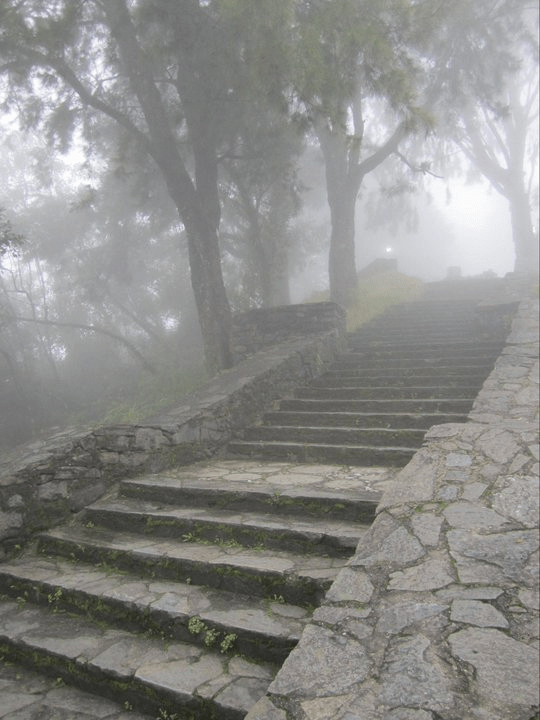
Stairs enveloped in mist as you continue the journey up once you get to the top of Cerro Avila in Caracas.
The first time I visited Venezuela, I stayed in the home of the local pastor whose church we were working with. His house was on a very scary cliff, in the town of El Junquito. He was a dentist, and made good money through his job. His service to the local church in an impoverished neighborhood of Caracas was part-time. He used his skills as a dentist to provide free service to the community too, and the church had a dental clinic for the people in the community.
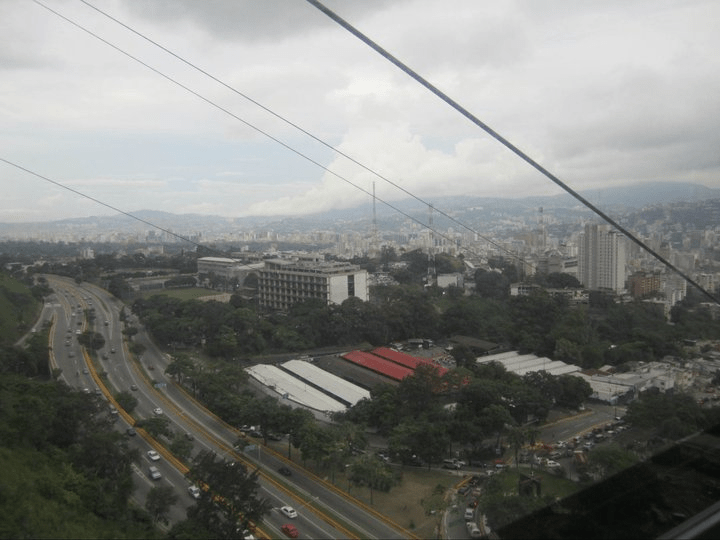
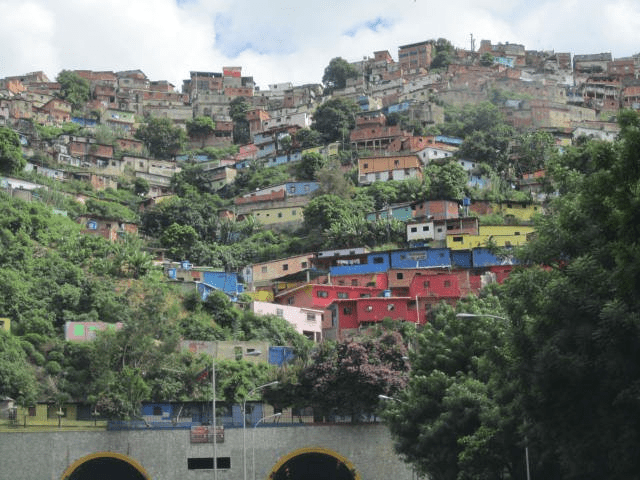
El Junquito wasn’t particularly interesting to me. But Caracas was! The city is a huge sprawl in a valley and extends to the foot of the mountains around it. As you come up from the Maiquetía Airport, you can see the haphazardly built structures covering miles and miles of mountain slopes. At night, the lights look beautiful. During the day, it looks impressive and dangerous. In the neighborhood where we were working, the passages and narrow paths crisscrossing the slopes from house to house, some built one on top of another, were a maze we did not dare to walk through. This in itself was a beautiful sight. It was beautiful because you could feel how much the community cared for each other, as they helped each other navigate this network of paths that were so confusing that outsiders were warned not to venture in. The Caracas that I experienced that first time, and the second, and third time I visited, was a city of drastic contrasts. It was a city filled with cars, motorcycles, public buses, and a pretty impressive urban metro system. It was a cosmopolitan city filled with culture and arts. It was a city filled with the delicious aromas of national and international cuisines.
A view of Caracas from Cerro Avila.
Caracas is my favorite place in Venezuela. Contrary to many Latin American cities, Caracas doesn’t have a very defined and preserved “old town.” You walked through history and modernity all the same time. As you step out of the old Roman Catholic Cathedral in the center of the city, there are modern buildings and shopping malls all over the perimeter. This contrast was new to me, and I enjoyed it very much.
In Caracas is also where you can find Cerro Avila. The impressive mountain on the side of the city is reachable through a cable car. The first few times I rode this cable car, I had no worries. However, the last time I visited Caracas, I guess my age showed, as I was scared to death to go up! I positioned myself in the center of the car and curled up in the fetal position until we reached the top of the mountain to the amusement of my sister and my friend who were serving as our tour guide. But once on the top, you get to see the city through the fog.
Another place that is magical in Venezuela is Colonia Tovar in the state of Aragua. I have visited this place a couple of times. This town up in the mountains is the result of German immigrants arriving in Venezuela over a hundred years ago. The climate on the mountain was reminiscent of the climate in their home towns. They produce some of the sweetest and biggest strawberries I have ever had! It is worth visiting the colony and enjoying a day or two trying all of their traditional German dishes and strawberry creations.
Valencia and Maracaibo are the other two places I have spent time in. Although I didn’t get to explore much in Valencia, it was a family visit and we got to enjoy some good time with my aunt and her husband’s extended family who lives there. Having some street food late at night was probably one of the greatest experiences in Valencia. Maracaibo, on the other hand, was also a magical place. Every morning, I would wake up early and walk to the nearby bakery to buy freshly baked bread for the group with which I was. The team there made a delicious strawberry jam (I get to see the thread here!) Eating that freshly baked bread was heaven!
The views of the houses on the cliffs as you drive up from the Maiquetía airport to Caracas.
Venezuela has my heart because of many other, more personal experiences I had while traveling and shortly living there in my youth. Although it’s been a few years since my last visit, I do hope to return someday. I want to continue eating the delicious street foods, especially, the arepas reina pepiada (my favorite), and their empanadas — there’s a story about empanadas and a visit to Simón Bolívar’s hacienda from which I will spare you this time. Venezuela is a beautiful country, with wonderful people, and way to much to discover in just a few days over a decade of visiting it. I know in my heart that I will visit more places and get to see the Salto del Angel with my own eyes someday. Until then, I live with the wonderful memories of many, many months spent exploring the streets of Caracas, and the memory of the wonderful smell of freshly baked bread in Maracaibo.
I’ve had the chance to travel throughout many countries in Latin America. As we continue celebrating Hispanic Heritage Month, I want to share a couple of my favorite spots in the countries I have visited. Hopefully, you too will get inspired and visit our wonderful lands.
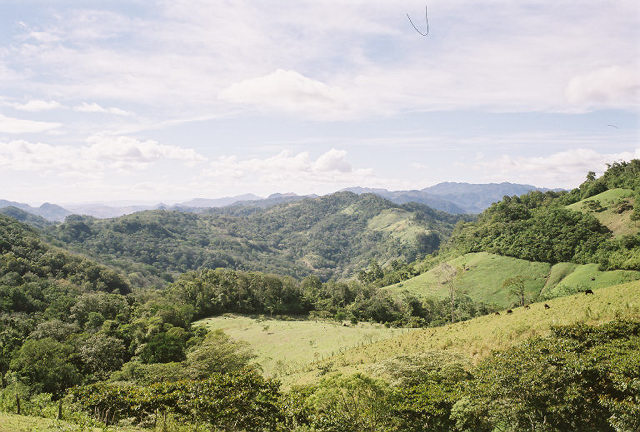
A view of the farming lands in Nicaragua from an ecoresort just outside of Managua.
—
The very first country I visited was Nicaragua. Here I stayed for a month with a family on the island of Ometepe, in the middle of Lake Cocibolca (aka: Lake Nicaragua) after a few days in Ticuantepe.
Ometepe is magical. It’s a small island with two volcanos, one on each side of the island. There is a lot of ecotourism in this area. However, I did not do the traditional tourist path as I was there with a small group of Christian self-appointed missionaries from my time with a religious group back in college. I stayed with the family of the pastor who welcomed us there. Every morning, someone would bring fresh milk directly from the cow’s udder. A person selling hard breads would come by also, and the family would buy a couple of pieces of bread for breakfast. Their regular diet was so foreign to me at the time! For breakfast, they would have gallo pinto — rice with pink beans –, cream, fried cheese, and bread with coffee. As we shared more about our respective cultural cuisines and I shared what a regular breakfast was for me, they switched their menu to a fried egg with cheese and coffee. Way easier for my system to adapt! Ha!
Since I grew up in a household were people did whatever chores needed to be done regardless of your gender, it was amusing for my Nicaraguan siblings to see me helping the women in the kitchen, helping with the cleaning of the dishes, and such things. I also helped with some construction work they were doing and other traditional “male” responsibilities. But the conversation always turned to the curious thing about me doing “women’s” chores.
Exploring the island of Ometepe with local residents was great. We walked almost everywhere. We got to meet amazing people with big hearts. The island is full of wonder and it’s a great place to visit outside of the traditional tourist paths, although, not many people would consider Nicaragua a tourist destination. (Something that I appreciate, as I am more interested in visiting places to learn about their cultures and engage with the people, not to do traditional tourism.)
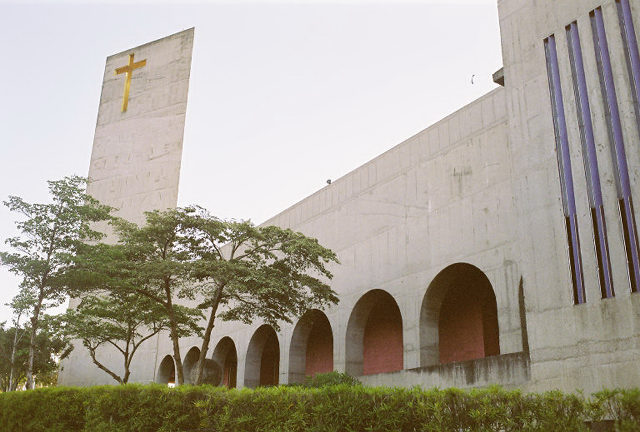
Metropolitan Cathedral of Our Lady of the Immaculate Conception, the Roman Catholic Cathedral in Managua.
During that trip, I also got to visit the city of Masaya. This was an adventure! My group was just three young women and I. One morning, we took the bus to Masaya from Ticuantepe. We walked to the main road to take the bus. The bus was bursting with people, but still, our guides for the day — two young men from a local church — basically pushed the three women into the bus, and then signaled me to walk with them to the back door of the bus. Where would I fit in this overcrowded bus? Well, they jumped to the back of the bus, one holding on to the small ladder buses have next to the back door, the other right on the rail of the back door. They signaled me to jump to the rail, I held on to the frame of the back door, my feet on the rail below, and the arm of one of the men around my waist so I would not fall. We rode like this for some time until at several stops later we could move to inside the bus. I was more amused than afraid, and it was the best way to experience Nicaragua. I haven’t stopped taking risks while using different modes of transportation throughout Latin America. Masaya was beautiful. It’s a city full of color and creativity. Lots of artisans call Masaya home, and you can find beautiful handmade pots, sculptures, and all sorts of art.
I returned to Nicaragua with my seminary to support the work of “Seeds of Learning” based in Ciudad Darío. This place was also special. Rubén Darío was a Nicaraguan poet who transformed literature in Spanish by founding the modernist movement. Being in his hometown, visiting the tiny home where he was born, it was really magical experience. The other amazing experience I had in Ciudad Darío was visiting a small Baptist church near the nonprofit we were working with. As we arrived, there was a woman sweeping the floor. The service wouldn’t start until late, but she went to get their pastor so we could meet him. The pastor was an elderly man, with the marks of age throughout his body, but full of joy and passion for the work he did.
Visiting the First Baptist Church in Ciudad Darío with my seminary classmates.
Ometepe, Masaya, and Ciudad Darío are some of my favorite places in Nicaragua. The Roman Catholic Cathedral in Managua is spectacular and its modernist structure in the midst of the very old city streets and architecture is a reminder of the way in which our countries live between our past and our future. I can’t wait to be back in Nicaragua someday soon (we were supposed to go there this year for my birthday in a week, but life had other plans.) I want to drive around more parts of the country and explore more of its beautiful nature and the good hearted nature of its people. I want to eat as many nacatamales as I can, also!
As Nicaraguan singer Carlos Mejía Godoy once sang:
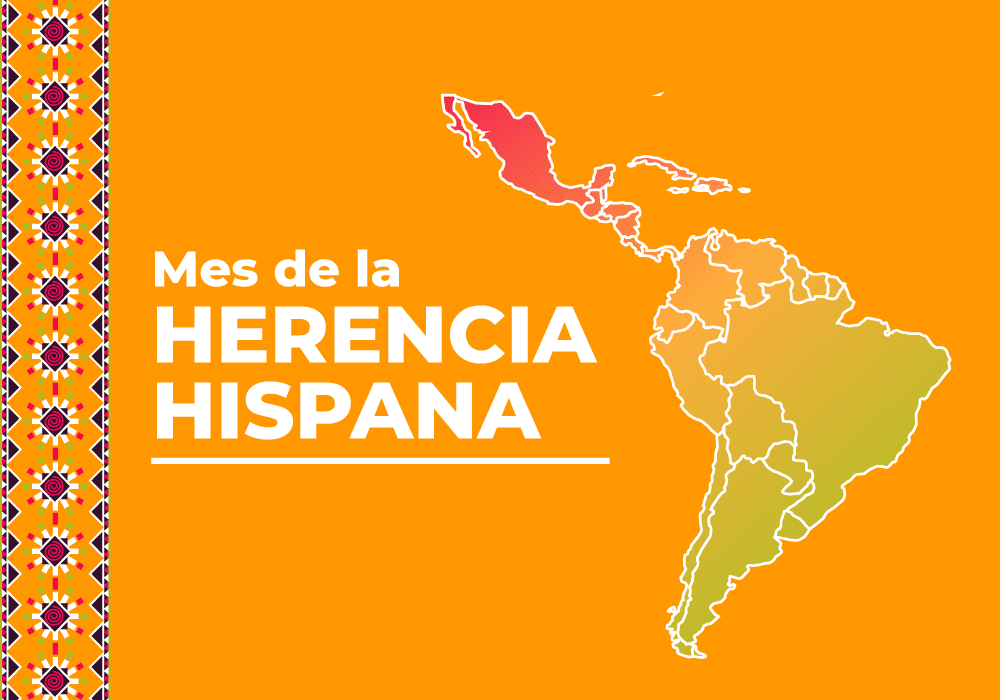
Hispanic Heritage Month starts tomorrow, September 15th through October 15th. It was set during this
time as many Latin American countries celebrate their independence sometime during that period. (But not ALL countries do, and my own country, although part of Latin America, it’s still a US colony, so no independence yet for us.) Here are a few notes for those of you who want to observe this celebration in your agencies, groups, churches, clubs, etc.:
– The name of the heritage month is “Hispanic” Heritage Month. We didn’t select it, it does not represent the entirety of the communities, and not all Latinos are Hispanic, etc. …. BUT… it’s the name of the month as it was instituted by the USA federal government. Don’t come up with other names that do not represent the history of our struggle and the history of how this heritage month came to be. That doesn’t stop all of us from advocating for a change. Using the official name as it is right now just helps maintain a connection with our past as we move forward. The most important thing you can do is to add descriptions of the communities you want to celebrate. For instance: “This Hispanic Heritage Month, our agency wants to highlight the contributions of Indigenous and Black people of Latin America by offering x, y, z.” Hopefully, one day — and as a result of our collective advocacy — this will be “Latin America Heritage Month.”
– Although all Mexicans are Latinos/as/xs not all Latinos/as/xs are Mexican. This is the most visible ethnic Latin group in our region, but we can say something similar, with other communities, in other locations. Please know that our community is diverse. When you organize your agency’s HHM celebration around one cultural tradition only, you are telling me two things. First, you don’t care about me as a Latino with roots in a different culture than the one you’re highlighting. Second, you don’t know much about our communities or your own communities, where people might come from any of the many Latin American countries.
– Please, make your celebrations as broad and inclusive as possible! Not all Latin people speak Spanish. Some Latin folk speak English as their primary language. French, Creole, Portuguese, and hundreds of indigenous languages are also Latin American languages and cultures. Keep that in mind, especially when trying to highlight the communities in your area. Don’t patronize us by haphazardly translating things into Spanish with Google translate. Also, be carful with asking a heritage speaker to do the translation! Spanish alone has so many dialects, and many heritage speakers learned from their parents who might not have had the opportunities to have formal education, and thus, do not know the intricacies and nuance of the different dialects. Usually, they have very regional dialects which might hinder clear communication with people from outside their regions. Moreover, heritage speakers — who must be celebrated for their work to preserve the language — are most familiar with spoken Spanish, and not with written Spanish. Celebrate diversity in speech and dialects, but also recognize that there is a standard version of one of our languages — Spanish — that is understood across dialects. Only professional translators who have spent their professional lives doing this will produce good content that is understood across cultures. I also know of a at least another Latin American language, Mayan, that also has many dialects, some of them not even mutually intelligible. So, only translate things when it makes sense for those things to be translated.
– Our music is as diverse as we are. Salsa, tango, merengue, cumbia, bachata, reggaeton, rock en español, plena, and myriad others. Don’t rely only on one type of musical style. HOWEVER, keep in mind that some genres of music — reggaeton which is one my favorite styles, so don’t take this as a negative comment on the genre, and Spanish trap, for instance — contain words or phrases that might be extremely offensive or very vulgar in some dialects. Please vet your music selection with people who speak the dialect of the musician. This way, you will have music that is inviting, instead of having music that might be liked by some people while being offensive to other audiences. Don’t play the music of the popular artist just because they just modeled for Vanity Fair (ha! Some of you will get the reference… and also, I love BB’s social commentary and some of his music, so don’t come for me. I am just using some general examples.) Every time I hear reggaeton music with vulgarity in its lyrics playing at supposedly “family friendly” event sponsored by an organization, I know the people there do not know my dialect and the cultural nuance of the use of curse words and vulgarity across different Latin American cultures. Again, vet your music selection with the people who speak the dialect of the singer.
– Look for as much representation of Latin American cuisine as possible! Generally speaking, south of the middle of Central America, no Latino cuisine uses hot spicy chiles! Perhaps your Argentinian best friend loves hot spicy food, or your Cuban spouse does; but that doesn’t mean Argentinian or Cuban cuisines are spicy hot cuisines. The staples of our cuisines vary also. Of course you are very familiar with the Mexican tortilla. But, did you know the Central American tortillas are thicker and don’t compare with the Mexican ones? Did you know that plantains are the staples of Spanish and Black Caribbean cuisine and that we never, ever use tortillas in our dishes? Did you know that in most South American countries bread is king? Also, find local Latin American restaurants of ALL types of cuisines, not just one. Around the area where I live in Pierce County and south King County in the state of Washington, for instance, there are Peruvian, Puerto Rican, Salvadoran, Argentinian, Colombian, Guatemalan, and Honduran restaurants. Order from them!
– Latinoness does not equal immigration. Do not center your events only on immigration issues! Sure,
that is the biggest reality of our community. But Puerto Ricans are Latino/a/x and we — on paper — do not face this challenge. Cubans and Venezuelans also do not face these challenges in the same way. Tejanos, Californios, Nuevo Mejicanos… and many other groups of Latin folk from the lands stolen from México are as Latino/a/x as we are and they do not face immigration challenges. Expand the issues you work on and you highlight in your celebrations. We have other challenges as well, such as lack of access to well paid jobs, racial and ethnic discrimination, anti-Blackness, lack of access to stable housing, etc. Additionally, we are not our challenges! We have contributed tremendously to USAmerican culture from the very beginning. Celebrate ALL of our contributions also, and don’t see us merely as recipients of your charity.
– Latinidad is not race. Mestizaje is not the only expression of Latinidad. Indigenous peoples are still here and thriving throughout Latin America and many of them here in the USA in spite of the many ways we have tried to erase them and their cultures. Black Latinos/as/xs exist… and they come from every single country in our beloved continent. Highlight their influence, their contributions, their resiliency and their Latinidad! Asian Latinos/as/xs also exist! Their contributions to our histories, cuisine, cultures, music, etc., is undeniable. Plus, Asian-Latino cuisine is the best. Ask any Peruvian! Don’t hide this rich history! Latin folk of Arab and North African heritage also exist! And when it comes to religion, at least two Latin American countries are almost majority Evangelical/Protestant: Guatemala and Puerto Rico. Don’t assume we are all familiar with Roman Catholic traditions and rituals. Almost half of Latin folk in the USA are Protestants or Evangelicals, and there are many, MANY Latin folk of other religious traditions: Jews, Hindus, Buddhists, Muslims, Spiritists, Santeros, Vodoo practitioners, atheists, agnostics, and everything you can think of.
– This note is for my Latino/a/x siblings: pay attention and be in solidarity! Who is not being represented and who is being left out? Are you an advocate for ALL of our cultures and traditions? Are you calling folk in to reflect on how they have centered only your or my culture and not the cultures of the other Latin folk who live in our communities? Speak up and advocate for each other as you also celebrate your own individual cultural heritage. It’s all about celebrating our diversity, not helping the people and institutions with power blend us into one thing. Make ’em learn about us! Don’t conform to their expectations!
– When in doubt: ASK!!!! Ask your colleagues what would be meaningful for them. If they are all from one single heritage, honor that and also, seek out others in your community from other cultural backgrounds so you can be more inclusive. We LOVE sharing our traditions, our stories, our cultures, our foods, our memories of back home, our histories, etc. Invite us to be partners in the celebration, and don’t do something for us, do it WITH us.
Have a wonderful celebration of Hispanic Heritage Month and remember we are still here after October 15th!
When Hispanic Heritage Month was established it was with the idea of recognizing the contributions of Hispanic-Americans (as our community was known) to the United States. Since the term “Hispanic” was a government construct to group a very diverse group of people, other concepts such as “Latino/a” have been used. We understand that not all Latinos/as are Hispanics, and that any terminology used to group our community is going to fall short. Latin America is an extremely diverse region. Our ancestors are Indigenous, African, European, Asian, and of every combination thereof. There are hundreds of different languages spoken throughout the region in addition to Spanish, Portuguese, and Creole. Our histories, cuisines, faiths, values, and every aspect of culture are different. Hispanic Heritage Month is supposed to celebrate this diverse group of peoples, highlighting our contributions to the larger US society, of which Latinos/as have been a part since before the United States was formed as a country.
Yet, for some groups within the Latino/a community, Hispanic Heritage Month can be a reminder of how cultural hegemony erases diversity and identity. The challenge of celebrating a diverse community that does not fit the clear, simple, and binary definitions of the majority Euro-centric American culture reduces Hispanic Heritage Month to a celebration of whichever Latin American cultural heritage is most prominent in a particular context. The month that was meant to celebrate our diversity is reduced to the celebration of the Spanish-Caribbean in the eastern seaboard of the USA, or of Mexican-American communities in the Southwest and West. This cultural hegemony makes invisible large portions of our communities.
Cultural Hegemony Gets Personal
I speak to this from personal experience. When I first moved to the mainland USA it was to the eastern coast. As a Puerto Rican, it was easy for me to find representations of my culture anywhere I went. I didn’t have to adapt my dialect too much and for the most part, people understood when I said “habichuela” or “bizcocho” or “guagua.” The historic large diasporas of Spanish-Caribbean peoples to the easter parts of the USA means that our cultures, dialects, and cuisines are more prevalent. Other people of Latin American descent usually must adapt to these Spanish-Caribbean cultures (Cuba, Dominican Republic, and Puerto Rico.) Once I moved to the West coast, things were totally different. Out here, the prevalent cultures are Mexican and Mexican-American. People from all over Latin America and of any Latin American heritage must adapt to these cultures as they have been adopted by the Euro-American majority as the standard or default definition of “Latinidad.” More concerning is the expansion of this standard definition and its adoption by politicians, nonprofits, businesses, and many other groups.
The invisibilization of non-Mexican Latin people has profound consequences both for our communities and for society at large. Spanish is reduced to one dialect and one accent (usually norteño or chilango) at the expense of the plethora of dialects spoken throughout Latin America and the many variations of the Mexican dialect. Latino Indigeneity is reduced to Aztec and Maya identities at the expense of Mapuche, Arawak, Taíno, Guaraní, Garifuna, and the thousands of indigenous groups that still inhabit Latin America. The Afro-Latino/a identity is forgotten as “mestizaje” – the mixing of European and Indigenous identities – is made the standard of Latinidad. And Protestant, Evangelical, Jewish, Muslim, Buddhist, Hindu, Santero, Espiritista, and other faith traditions practiced by Latin folk are hidden in favor of a particular Roman Catholic experience that doesn’t even consider the beautifully diverse experiences and traditions of non-Mexican Latin Catholic communities. For instance, growing up Protestant, I never observed “Día de los Muertos”, or sang to “La Virgen de Guadalupe” on December 12th. Although I recognize and honor the importance these celebrations have, they do not define my Latinidad, nor do they define Latinidad for at least half of Latinos/as in the United States.
The Mexican cultural hegemony promoted by white supremacy is not only impacting non-Mexican Latin folk. This cultural hegemony also impacts other Mexicans. My husband is Mexican, from the state of Yucatán, and of Maya indigenous identity. In the white supremacist, cultural hegemonic definition of “Mexican” and of “Latinidad”, his accent, his cuisine, and his traditions do not fit. From time immemorial, the Maya people of Yucatán have celebrated “Hanal Pixan”, a month-long observance to welcome back and honor those ancestors who are before us (in Maya tradition, the past is before us, while the present is behind us because we cannot see it.) During this time, families prepare altars, present food and drinks as offerings, and have rituals of welcoming for the ancestors. On three different dates throughout the month a special tamal called “pib” is prepared and eaten with those ancestors. Hanal Pixan has been merged to
some extent with the Roman Catholic tradition of All Souls and All Saints Days, while keeping much of its Mayan roots. But you would never find a hint of this Mexican cultural tradition presented in any of the “Hispanic” celebrations of “Día de los Muertos.” Once again, cultural hegemony erases a part of our identities.
The Causes and Roots of Cultural Hegemony
There are many causes for cultural hegemony. Our own brains try to minimize the use of energy by categorizing things around us in the simplest ways. Culturally, we try to group people as to make it easier for us to understand them. White supremacy in particular has been really great at minimizing differences by grouping folk as “white” and “black” and then assigning value to each category, with lighter skin being more valuable than darker skin. This tool of control offers Latinos/as, who are of every race, a mirage opportunity to “become white” and thus, access power. The lighter our skin, the closer we are to being part of the standard definition of “American.”
It is in this context where we find the first clues to this cultural hegemony imposed in Latinidad. First, the powers-that-be decided that “Hispanic” was a good enough category for people of Latin American descent. This was regardless of their racial background or historical heritage. Whether a person was indigenous to these lands or an Austrian Jew who found refuge in Argentina, now both were classified as “Hispanic” for the mere fact that Spain conquered most of what is today Latin America. Second, when the communities reacted to this misnomer, they came up with “Latino”, and if they were progressive enough, “Latino or Latina.” This at least alleviated the reality of those who, having cultural roots in Latin America, did not have or do not want to be associated with Spanish heritage. The Euro-American majority decided how our community was going to be named, regardless of centuries of self-identification within our communities. Finally, the acceptance of mestizaje as the standard of Latinidad served the purpose of ensuring that Latinos and Latinas thought of ourselves as “almost white” people in the context of the United States. (Please know that this concept is used very differently within Latin America. But I will not be discussing this in this essay.) Erasing Afro Latinidad can only serve the white supremacy agenda, not advance the Latino/a community.
On the other hand, once the stage was set to have a homogenous definition of Latinidad, it was easier for one dominant Latin culture to ignore the rest.
Throughout the years, Mexico has been extremely successful in developing its media presence throughout Latin America. The richest man in Mexico also happens to be the most successful telecommunications executive in Latin American, Carlos Slim Helú. América Móvil, his telecommunications empire, has an almost monopoly of the communications world throughout all of Latin America with the notable exception of Cuba. The Mexican theater and film “Golden Age” marked the scenic arts in ways that no other country was able to do. Today, Mexican novelas (soap operas) and movies dominate most of the TV market throughout the continent. Pretty much any Spanish language singer – and sometimes actors – who wants to have a successful career knows that they must gain over the Mexican market, no matter how successful they might be in their countries of origin and neighboring countries.
As a result of the success of Mexican cultural exports – films, novelas, music, cuisine, etc. – there is no corner of Latin America that has not been exposed to the Mexican dialect (on its norteño and capital city versions), foods, and music, among others. Thus, although pretty much any Spanish-speaker can understand Mexican Spanish, people in Mexico and people of Mexican descent elsewhere have not had the chance to be exposed to our dialects. Therefore, although there are plenty of words in Spanish to call a cake – bizcocho, torta, queque –, pastel has become the “standard” in the USA. If they are only familiar with Mexican Spanish, someone will be very confused when a South American asks them for a torta and find out that they meant a cake, and not a sandwich. That’s because torta is the South American Spanih word for cake, while in Mexico they call cakes, pastel. There are plenty of examples like this, as words for beans (judías, habichuelas, caraotas), pepper (ají, pimiento), banana (guineo, cambur, banano), jacket (chompa, cazadora, abrigo) and many others are Mexicanized and the many different ways in which they are called elsewhere are forgotten.
This is not on the Mexican people’s backs. I am not advocating for the elimination of Mexican dialects in public or private use, nor am I complaining about Mexico’s success in investing in its own arts and cultural programs. On the contrary, I admire the fact that, with the USA being so relentless in spreading American English as the lingua franca, and American music and films as standards, Mexico has successfully overcome this by continuing to produce high-quality content in Spanish in pretty much all the art forms. What I am doing is explaining the reasons why it is so common for the Mexican dialect to be the “standard” for Spanish in the United States.
The white supremacy structures in which the USA operates make it easier for homogenization to take place. It also makes it easier for the rest of us to be invisible during a month that is supposed to highlight the contributions of all our cultures, histories, and identities.
A Possible Solution
Is it possible for this cultural hegemony to be overcome? I believe it is!
If we want to go back to the origins of Hispanic Heritage Month we can hold on to the core of its purpose: to celebrate the contributions of Hispanics and Latinos/as to the USA. It is absolutely perfect to include tacos, tamales, norteño music, and Mexican folk dances in your Hispanic Heritage Month celebrations. And it is equally important to expand this and include other cuisines, dances, histories, and symbols of more Latin American communities. Here are some ideas on how your agency, nonprofit, church, workplace, or any other group can expand their offerings to celebrate our comunidad.
Don’t assume. Ask! It is so simple. Even if you are of Latino heritage, ask around to find out more about the Latino/a community in your area. Even if there is one specific national heritage more prominent than others, I assure you that you will find people of all sorts of Latina/o cultural heritage around. Ask them what would be meaningful to include in any celebration of our cultures.
Learn. Read books from authors of every national background. Follow news from throughout the region so you know what’s affecting local communities with ties to those regions. Read about the history of colonization of USA in our countries of origin so you can understand the patterns of migration of our communities. Watch documentaries about our region and our countries of origin. Attend events created by and for Latinos/as, especially if they are from cultures outside of whichever is the majority Latin culture in your context.
Expand the celebrations. Find out who is the small business owner of a restaurant from a Latin cuisine that is not from the majority Latin community represented in your area. Order from them instead! Introduce even other Latinas/os to cuisines different than theirs. A business can have a whole catered event with different empanadas from all throughout the continent! The same for dances and performances. Bring in tango dancers, include bachata and salsa in your parties, teach a cumbia class during one of the events. (As reggaeton becomes more and more prominent in Hispanic Heritage Month celebrations, I highly recommend checking with people who speak the dialect of the signers, as many of the lyrics can be extremely crass, offensive, and vulgar to specific communities. Also, not all reggaeton lyrics are like this, and I personally enjoy the style, so this is not a judgment on the genre, just a recommendation to make spaces more accessible and safe for all.)
Have fun! Among the many things that unite all our communities is how boisterous, energetic, and fun we are! Whether we call it pachanga, farra, parranda, juerga, fiesta, pary, bembé or whatever other word we have for it, Latin parties are filled with joy and celebration. There might be a time to start, but you never know when the party will end. Have flexibility with your celebrations and let the community enjoy its time together.
Reclaiming La Herencia Hispana y Latina!
Latina trans activist Sylvia Rivera once said, “We have to be visible. We are not ashamed of who we are.” She was referring to the trans community and the LGBTQ community in general. Nevertheless, Rivera was a proud Latina woman too. She never hid her Venezuelan and Puerto Rican heritage. At times, the invisibilization of so many Latinidades makes us ashamed of being public. Many of us switch our accents or use dialects that are not natural to us. Often, we stay silent about our own heritage lest we make those in the majority uncomfortable. That is not the solution to cultural hegemony.
The solution to cultural hegemony is being visible, vocal, and proud of our individual cultural heritage and the many mixes of heritages created in the United States. Our Hispanic Heritage Month celebrations should be expansive and always expanding. It should show every aspect of Hispanic and Latino cultures. Hispanic Heritage Month should be a time to celebrate our diverse Latin heritage in all its extravagance. Let’s bring Garifuna dances, and serve Bolivian salteñas; let’s pour Chilean wines, and enjoy Guatemalan parrilladas; let’s dance to the rhythms of African drums in Puerto Rican bomba and Peruvian landó; serve sopa paraguaya and Dominican mangú… Let’s make every effort to create welcoming and diverse celebrations that honor the richness of our Latin cultures. Let’s proudly and very visibly reclaim our herencia!
None. I am not writing about food, though. I am writing about power, power dynamic, and how language fails us to explain these concepts and what it is that communities of color demand from our white colleagues and fellow humans. This is a semi-long opinion essay. Here I discuss several concepts and ideas, starting with language in general, some theological concepts, and finally, various sociological concepts related to social dynamics and power. If these things interest you, this will be a fun read. (Or maybe I have a weird sense of humor…)
Language is probably the most important human invention. It is so important that many anthropologists consider language to be the human invention that helped differentiate our ancestors from other primates. Language is important and one of the most powerful tools we have at our disposal. Nevertheless, like any human invention, language is not perfect. Although language helps us to communicate as clearly as possible, there are still limitations. Many of these limitations can be seen more clearly when it comes to explaining, describing, and understanding immaterial concepts.
As many communities in the United States engage in difficult conversations about racism, anti-blackness, power dynamics, social interactions, and other relevant realities, I thought of sharing my ideas on how language fails us to describe power dynamics.
In many occasions, humans make use of the tools we have within our languages to make sense of difficult immaterial concepts. It is common for us to use similes, metaphors, analogies, and other linguistic tools to explain difficult concepts. Allow me to use some examples from a field I am quite familiar with: Christian theology.
Perhaps one of the most difficult theological concepts to explain is the Trinity. In the history of Christian theology the concept of the Trinity has been tried to be defined and explained by both Trinitarian Christians and those who object to this understanding of God. If you were raised in any form of Christianity, the concept of the Trinity was presented in simple, easy to understand analogies… that probably were far from what the theological concept of the Trinity really is. You probably heard about the Trinity being like water, which can be liquid, solid, or gas and yet it’s still H2O. Or perhaps you are more familiar with the egg analogy, where the yolk, white, and shell are all part of the egg yet not the whole egg. The analogies are many, and none actually explains what the Trinity is without falling into some sort of heresy, according to historical Trinitarian theology.
A good, simple theological explanation of the Trinity is this: a theological mystery that explains the relationship between the three Persons who make up the reality of God as Parent, Incarnate Expression, and Holy Spirit, all three being one while also being separate from each other but never subjected to each other, they each exist from eternity to eternity and are coequal with each other. Simple, right? Ha! Now you can understand why the tools our languages have to express complicated immaterial realities always fails us. There is no simple way of expressing this theological concept and thus, most theologians hold on to the simplest of explanations: the Trinity is a mystery. Period.
Thankfully, if unless like me, you are not a theologian, this mental gymnastics is not going to affect your life. Nevertheless, there are immaterial concepts that are difficult to explain in simple words and yet affect our daily lives. This is where the concept of “the pie” comes into play.
Power dynamics in the USA live in the context of a complicated history. I will not go into historical details, but I believe we can agree on certain general points that are accepted for most people. First, the USA has a history of racism with which it has not dealt appropriately. Second, racial relations – as well as other power dynamics – permeate pretty much every interaction among people in every social context, from shopping to parenting to education and politics. I would argue that even those hegemonic contexts in which everyone belongs to the same perceived racial background are not exempt from these racial realities. White people assume their superiority based on their socialization regardless of whether they have the chance to interact with people they have been socialized to believe are inferior. On the other hand, communities of color are always aware of these social and power dynamics regardless of whether we are in the presence of white folk or not. In fact, it has been my experience that even in non-academic, family interactions where all are Latino people, we implicitly or explicitly engage in conversations strategizing how to survive and thrive in the majority white contexts in which we interact. Take for instance, when my own family engages with the youngest members of our family to encourage them to be successful in school and life… making use of the patterns, systems, strategies, goals, and mores established by the white majority. We do not have to name the systems and who developed them in order to engage in conversations on how to move within them. Finally, a capitalist and an historical European, Protestant work ethic permeates these power dynamics. Those who can adapt to this socio-religious-economic ethic will have more chances of survival than others.
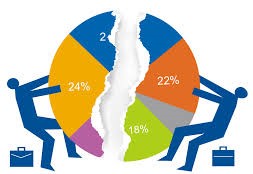
Here comes the “pie chart” that characterizes most conversations about resources. Power is, in my opinion, another resource. It can be used by those who have it in order to advance, or to access opportunities, or to affect change – good and bad – in society. The problem is that, what I call “the pie understanding of sharing power” negatively affects the way in which we engage in conversations about what it is that minority communities demand from the majority.
In the European Protestant work ethic, resources determine success. The person with more resources has earned the favor of God, therefore, it is their right to continue amassing power. Moreover, since power is a resource granted by God, and salvation is an individual transaction between a human and their God, it is expected that individuals continue finding ways to gather power, even at the expense of others who will lose their power. This is, I believe, at the core of capitalism. This is also a self-preserving system. The more power you have, the more you show that God has favored you. Therefore, you need to continue amassing power in order to show how much God has favored you. Those with no power have the option of finding ways to obtain power, and with it, show that God has also favored them. Since power can be amassed, those who have it present themselves as an example of how you, too, can receive and amass power if you only work hard enough for it. The problem comes when everyone starts thinking that power is finite. There are several ways to obtain power, but in this context only two are relevant: you earn power by buying it from others, or you fight for it at the expense of others who will lose it to you. Or in simple terms: some people will have large pieces of the pie, others will have slimmer pieces, and others will have no pie whatsoever.
Therein lays the problem with the pie analogy for power. There is no pie! None!
The recent conversations on racism have revolved around how to divvy up the pie. It seems like for the most part, people think that communities of color and other minoritized peoples have been trying to get a piece of the pie that majority groups have been cutting for themselves. To many people who noticed that their pieces of pie were larger than that of others, this is a problem they want to fix by either redistributing the pieces of pie, or – in my opinion, the ones that are a bit more advanced in their understanding of the complex racial realities we live under – they try to share their own pieces in order to show solidarity. Both of these approaches are honorable, as those with pieces of the pie have never experienced any other way to interact with their power. They are, in my opinion, a bit closer to understanding the demands of oppressed communities. Nevertheless, I reaffirm: there is no pie.
The pie analogy is one of the ways in which language fails us. It tries to simplify a very complex concept in order to make it more digestible (yup, pun intended!) Power is, like the Trinity, a complex, immaterial concept that cannot be explained in simple terms. Just like the Trinity is neither an egg nor water, power is neither a pie nor a table in need of more chairs to accommodate minoritized communities. Although these concepts can help us start the conversation, they cannot be the ones used to engage in deep, comprehensive, and serious conversations about systemic change and power relations.
Marginalized, minoritized, and oppressed communities are not asking to share the pie. In fact, for many of us, is not even about being able to bake a pie! At the heart of the matter is what types of systems are needed to share power in order to identify the needs of the whole. It is also about coming up with solutions that address the very complex realities in which we live. It is about sharing power in all of its complexity, without taking power away from anyone. That is something the pie analogy doesn’t address. Moreover, it is this flawed analogy of the pie the one that makes it scary for the majority to engage in conversations about power dynamics. The thought of losing a piece of the pie is scary, especially when you have been socialized to believe that the piece of the pie is the seal of favor and success from your God.
Language will continue being the most important tool in human history. It is also important to know how to make use of it. Language affects the way in which we interact with each other and whether we can advance in our understanding of each other’s needs and wants. Using analogies will help us start conversations, but it cannot be the end of it. In fact, when an analogy doesn’t help frame the conversation in the best way, perhaps it is time to stop using it. My suggestion is to stop framing the conversation in relation to how the pie is to be sliced and shared, and instead talk about the nuances of shared power and systemic structural changes that will allow for more people to collaborate. The conversation can be framed in ways to collaborate and learn from each other. Instead of scaring people by suggesting that they will lose something in order to share with others, let’s start talking about the infinite amount of resources that exist in our social contexts to help collectively solve complex problems. Besides, I have never liked pies anyway…
Yesterday I worked a twelve-hour workday. The day before I had worked for thirteen hours straight. The day before was nine hours. I had taken exactly two days off in four months since I started my new job. I have worked on weekends and even when I have given my staff a day off, I have gone to the office or worked from home to finish a project or start a new one. My staff is always supportive and they have, on more than one occasion, asked me to take it slow, to pace down, and even encouraged me to take a day off. The Board of Directors of my organization expects me to work hard, but they have also encouraged me to practice self-care, to take time off, and to work at a healthy pace. I can show you emails, texts, and social media messages I have gotten from staff and Board members encouraging me and reminding me of practicing self-care. Yet, I continue to work.
Why do I do this? Sure, I love what I do. I thoroughly enjoy administration, management, strategic planning, and all that comes with this. But there’s a second, equally important reason why I work so much… and it is not because I am a workaholic.
The first new world in learned when I moved to New York City in 2000 was “spic.” There was a definition attached to this term. The spic is a lazy person; they live off of government handouts, they despise work, they are irresponsible, the have moved in droves to New York City and had made the space less livable, less desirable, less safe. The spic didn’t speak English and didn’t want to assimilate to the evidently superior “American” culture.
People – especially USAmericans – have been enraged with President Trump’s comments about how Puerto Ricans have not done enough to help ourselves in light of the major natural disaster we have just experienced. For Trump, we are lazy people who do not want to work collaboratively. This is what he was taught about our community in the New York City of his early childhood. For the USAmerican public, for the most part, these are atrocious accusations. For the Puerto Rican community, these are just the same comments we’ve been hearing since our community started migrating to the mainland in the 1950s.
Although I commend and welcome the rage that Trump’s comments have sparked among my USAmerican friends, you must understand that his comments are not made in a vacuum. Trump is talking about the lazy spic that I have been told I am.
As a Puerto Rican living in exile, you are taught that you are part of a group of people who are, at once, “job stealers” and “lazy people.” How is it possible that we steal “American” jobs and don’t work enough at the same time, I have no idea.
Perhaps for many of you it was a surprise that the President of the United States depicted the people of Puerto Rico as lazy people who do not help ourselves. However, this is what we have heard as a community since the 1950s when our people started migrating in droves to the USA due to the economic realities of the Island cause, precisely, by the USA’s policies towards its colonies. It is this message the one that is still ingrained in my head, to the point that I work and work and work, lest someone accuse me of being lazy and not doing enough.
This is not something I am making up. Neither is this something that happened a while ago and certainly not in so-called “progressive” spaces. On the contrary. This thinking that Puerto Ricans, and Latino people in general, are lazy is still alive. Take, for instance, what happened to me for four years while I served a progressive congregation in one of the most so-called progressive cities in the USA. A woman who self-appointed as the leader of the church would call my office at random hours of the day, just to check that I was there, just to make sure I had come to the office that day. She wouldn’t want to talk to me. She just wanted to make sure that I was there. Her excuse was that she had heard I had not been active in the community, or doing enough home visits to the folk in the congregation. She used her self-appointed status as a leader of the church to let me know that “there were concerns” in the church that I wasn’t being effective. Of course, like any good oppressor, she couldn’t notice the flaw in her argument: I had to be in the office so I could demonstrate that I was doing my job of being in the community and visiting folk.
When you are confronted with this reality every day, you learn to navigate the system. You know that you must be perfect, perform beyond what people’s perceptions of your abilities are, and work twice as hard as anybody else. No wonder the great Nuyorican poet Pedro Pietri wrote about our community:
They worked
They were always on time
They were never late
They never spoke back
when they were insulted
They worked
They never took days off
that were not on the calendar
They never went on strike
without permission
They worked
ten days a week
and were only paid for five
They worked
They worked
They worked
and they died
They died broke
They died owing
They died never knowing
what the front entrance
of the first national city bank looks like
Juan
Miguel
Milagros
Olga
Manuel
All died yesterday today
and will die again tomorrow…[1]
The last time I was in church was for the installation service of a close friend. I attended because she invited me to preach and that was a huge honor. The last time I attended church before that was the Sunday after election in the USA. Having been raised in the Church, I often relied on this community to be the safe space where I could bring my fears into with the hopes of being healed.
When Republican Party enthusiasts, emboldened by the rhetoric of President Trump and Republican leaders in the USA Congress, led a group of white supremacists, Nazis, and Ku Klux Klan sympathizers to march on the streets of a public university in Virginia, I felt the need to return to Church. I woke up on Sunday with the idea of finding a nearby congregation to attend. Somehow, I had equated church with healing and community and restoration. But then, I started to doubt it. I stopped to think about what Church had really been for me. All throughout my life, Church had not been a welcoming, healing, restoring community. On the contrary: Church was the people marching on the campus of the University of Virginia with torches, threatening many of my communities with violence and death.
Since my childhood time in Church, I had only heard hatred and violence against “sinners.” The goal was to rid the World from the sinful; to establish God’s kingdom, where the violent will reign with Christ and the Earth would be transformed into their playground. The images of fire and destruction were the ones used to exemplify this future. The King will stand to divide the crown and send some – the goats – to the pits of hell to rot for eternity, with pain and punishment unimaginable. Others – the sheep – will be lifted up to heaven to be with their Ruler.
I have been in several churches throughout my life, both as a parishioner and as a pastor. Every church has been different: my rural Baptist church in Puerto Rico, the underground Metropolitan Community Church also in Puerto Rico which I led for a few months before going to seminary, the urban, large Baptist church that sent me off to seminary, the suburban, white, moderate Baptist church that ordained me, the small, urban Hispanic Baptist church in New York City that welcomed me as their pastor, the multicultural, urban Methodist church also in NYC that provided refuge and welcomed me as a leader, the urban, liberal, white church in Seattle that made me question my call to ministry and which proved me that liberal churches are no safer than conservative ones, and the little suburban Episcopal church in Wisconsin with a worship service in Spanish that offered a few months of refuge while I served other ministries.
Here is what Church has done to me:
Church was the place where my first conversion therapy sessions happened. It was the place where I was made ashamed of my sexuality. It was the place where I learned to be secretive and embarrassed about liking men. It was the place where people gossiped about their neighbors throughout the week while coming to pray together on Sunday.
Church was the place where I had to hide my sexuality even as I was both on the ordination process and as I served as a pastor. It was the place where I was asked not to be creative with liturgy as this was not welcomed. Such experience was once again relived as I was invited to write for a white denomination’s worship resources and my work was deemed too “intimidating” because it didn’t fall within the liturgical styles of the white church. Both homophobia and white supremacy were present this weekend in Virginia. Both homophobia and white supremacy were present in this church experience for me.
Church was also the place where the white visitor who saw me walking down from my office responded to my greeting by saying “Are you the janitor?” No, I was not. I was the preacher that day, and perhaps that’s why you didn’t come back?
Church was the place where, behind closed doors and without ever telling me, the congregation had the excellent idea of paying for speech classes for me to become a better speaker of English… instead of learning how to accommodate their ears to a different accent. But that’s OK for them, because they are “liberal” and they “get it.” They too were present at the demonstrations in Virginia.
Church was the place where the fragility of the person who bullied me was most important than my safety. It was the place where I approached with caution because each time I pulled over to the parking lot, my hands started to shake and my heart started to race as the bully’s car was parked there too. It was the place where her dismissal of my leadership was encouraged; the place where they welcomed meetings with her behind my back to talk about the supposedly weak pastoral care I was providing the congregation, without ever knowing that I was often visiting, listening, calling, and praying with the elders who had asked me point blank to please keep this woman away from our household because they were afraid of her too… But I could not tell her that without facing the doubtful stares of cheering crowd. Church was the place that didn’t allow me to fall asleep from Friday night to Sunday night just because of the fear I had of coming to worship on Sundays. Even after trying different prescriptions – yes, prescriptions from my doctor – and relaxation methods, I could not do it. The bullying was that strong, and the lack of support was too much. This white fragility that didn’t allow this bully to recognize the leadership of a Latino man in church also marched in Virginia this weekend.
Church was the place where the priest addressed the violent rhetoric of the election season and the overwhelming support of white supremacists for President-elect Trump by calling the small group of Latino and Latina people by asking us… us… to come together with our oppressors and to find unity.
This was the last drop. I had tried long enough to make the Church a place of respite and community. The Church has not been such a thing for me. I need to break from this abusive relationship for good. Church, you are not safe for me as long as you march with torches and hatred.
Perhaps Church has been different for you, and for that, I am glad. Perhaps you will send a few words of “encouragement” and some apology on behalf of the Church. Don’t. I do not need them, nor do I need to explain more than I had already expressed here. Theology as a discipline and a field of study will continue to be a passion for me. The Church as a place for community, on the other hand, will not.
My niece, Emely, is nine years old. She is bright, and funny, and loves to read, and loves math, and wants to become a singer and actress. A couple of years ago she had a list of books she wanted me to buy for her. Of course, as a bibliophile, I complied and bought all the books she asked me for and more. When I visited her again, she told me about one of the books I had given her.
I still remember when Emely started school. Since Emely grew up in a Spanish-speaking household, when she started school she didn’t speak English. She learned the language from her teachers and her classmates. On one occasion, when I asked her to speak Spanish with us and use English for other conversations in order to help her stay bilingual, she said something that shook me to my core. “Spanish is UUUUGLY!” she said. With a heavy heart, I asked her why she said that. She said that everyone in school said it. Spanish is ugly. English is beautiful.
I have talked with Emely about the importance of learning as many languages as she can. I have told her about the importance of using both English and Spanish to communicate, and to take any opportunity she might have in the future at school to learn other languages. I have told her how proud we are of her. I have continued to make sure that she is proud of her Mexican heritage and that she understands what it means to be a USAmerican too. I have shared with her my own Puerto Rican culture and heritage and have encouraged her to adopt what she might want to adopt from it. I have shared with her how wonderful it is to have a non-traditional family, and what a blessing it is that she has a wonderful, supportive, caring mother, and two dads, and so many uncles and aunts, and siblings who live in different homes, and a madrina and a padrino who care deeply for her.
Today, as a white supremacist, xenophobe, and sexual predator took the oath of office as President, I worry about Emely and her future as a Latina woman growing up in the USA. I know I cannot protect Emely or her brother all the time. I also know that her parents’ immigration status prevents them from providing all the protections that she – both of them, my niece and my nephew – deserve. But there are some things I can do. I can join the RESISTANCE and stand up for my niece.
And so, Emely, I will march tomorrow, Saturday, January 21st. Emely, I will answer the invitation from other women around the USA and the world to stand up to injustices against women. Even though you might be too young to understand, I will march because I love you, because I respect you, and because I believe in you as a woman.
There are also other reasons why I march in solidarity with my niece tomorrow. These are not the only ones, but here are some reasons to march:
I march because I believe that my niece Emely’s brown body is hers and only hers. No one, no matter what position of authority they might have, even if it’s the Presidency of the USA, has the right to touch your brown body, let alone grab it violently and without permission.
I march because I believe that you have the right to education, and that you have the right to make choices as to how far you want to take your education and what profession to pursue or not pursue. You have the right to access a job that is suitable to your abilities and your passions, and to be paid fairly and at the same rate than any male who will do the same job.
I march because, when the time comes for you to make choices about your body, it should be you, and only you, who make those decisions. Because your brown body is yours and deserves to be respected and honored. Because your brown skin is beautiful, and normal, and is neither “exotic” nor a stereotype to be paraded at the whim of those with power.
I march because I know that your parents can’t be exposed to deportation and because I want to continue being your uncle, not having to be your foster parent should something were to happen to my brother- and sister-in-law.
I march because I believe that, although you have been raised Roman Catholic, you should have the right to make the decision that makes YOU comfortable. I march because, if in the future you want to wear a hijab, you should be able to do it without fear of intimidation. I march because if in the future you choose not to believe in anything, you should not be punished for having no religion.
I march because I believe that you should feel safe in wearing whatever the hell you want to wear in public. I march because I believe that you should feel safe walking down the street and that no one should be cat-calling you, or intimidating you, or threatening your life and safety.
I march because I believe that you should be free to choose to love whomever you want to love, just as I love your uncle who gave me the blessing of being welcomed by this wonderful family that now both you and I, as outsiders, call “nuestra familia.” I march because I believe that you should love as many people as you wish to love and not being condemn for it.
I march because, if I march today, I know… I know… that by the time your Quinceañera comes, this will be a safer place for you and all your loved ones.
I could continue listing reasons to march, Emely, but I can’t. My eyes are filled with tears – you know how much I cry – and I can’t write anymore. But be sure, sobrina, I will march for you. I march for you, mi querida sobrina. I march because I know that staying home is not an option.






 Here comes the “pie chart” that characterizes most conversations about resources. Power is, in my opinion, another resource. It can be used by those who have it in order to advance, or to access opportunities, or to affect change – good and bad – in society. The problem is that, what I call “the pie understanding of sharing power” negatively affects the way in which we engage in conversations about what it is that minority communities demand from the majority.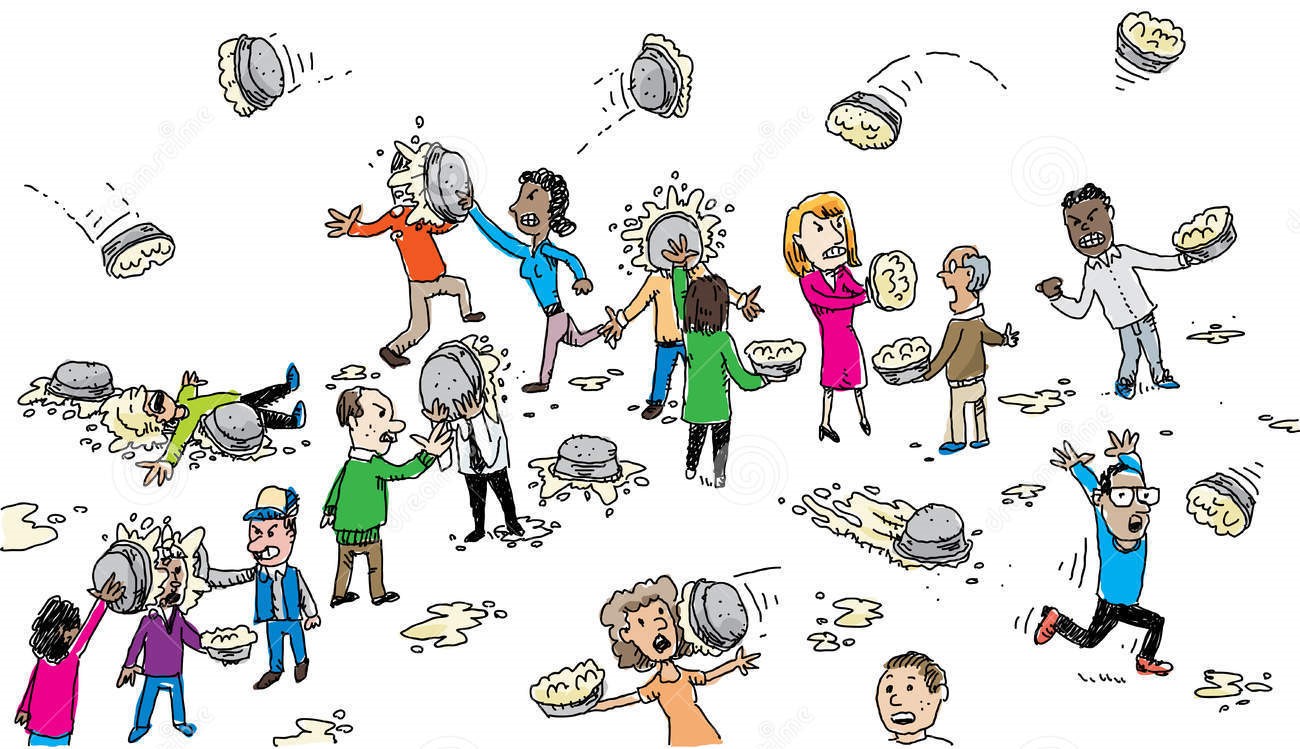
 Yesterday I worked a twelve-hour workday. The day before I had worked for thirteen hours straight. The day before was nine hours. I had taken exactly two days off in four months since I started my new job. I have worked on weekends and even when I have given my staff a day off, I have gone to the office or worked from home to finish a project or start a new one. My staff is always supportive and they have, on more than one occasion, asked me to take it slow, to pace down, and even encouraged me to take a day off. The Board of Directors of my organization expects me to work hard, but they have also encouraged me to practice self-care, to take time off, and to work at a healthy pace. I can show you emails, texts, and social media messages I have gotten from staff and Board members encouraging me and reminding me of practicing self-care. Yet, I continue to work.

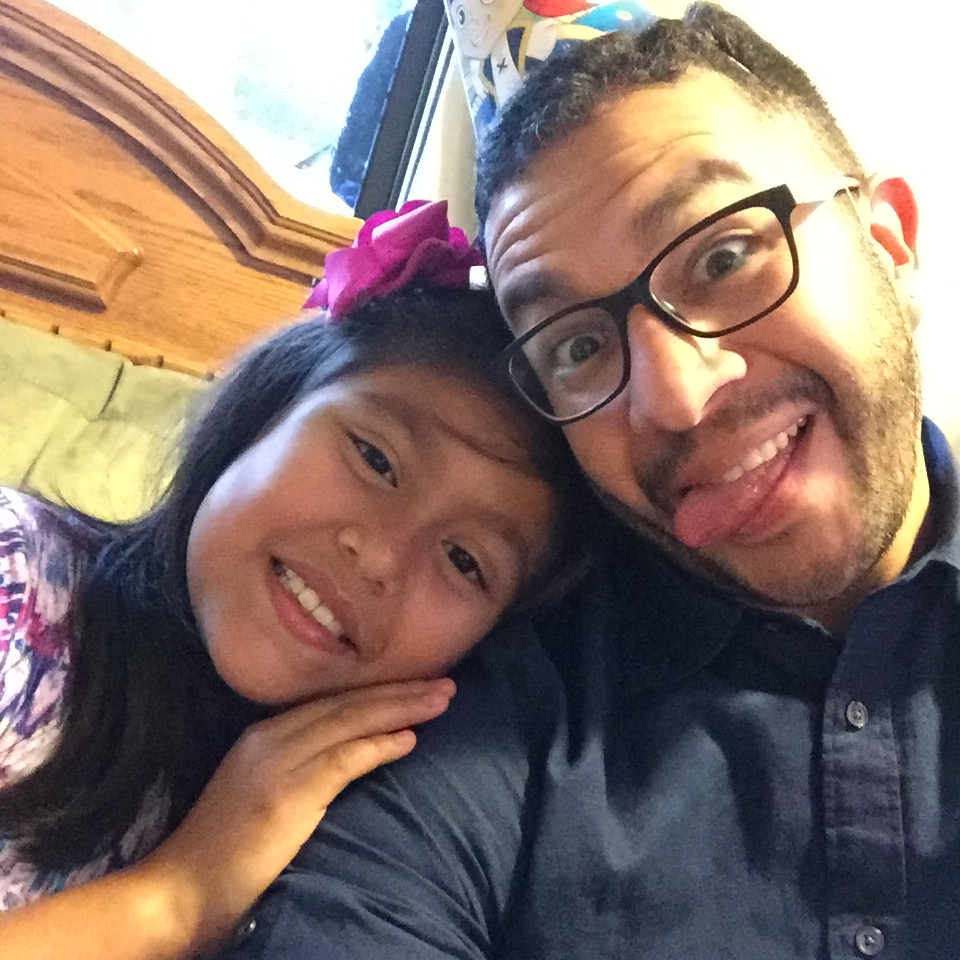 Today, as a white supremacist, xenophobe, and sexual predator took the oath of office as President, I worry about Emely and her future as a Latina woman growing up in the USA. I know I cannot protect Emely or her brother all the time. I also know that her parents’ immigration status prevents them from providing all the protections that she – both of them, my niece and my nephew – deserve. But there are some things I can do. I can join the RESISTANCE and stand up for my niece.
 SocioTheology
You must be logged in to post a comment.