Los callos de mis manos

Hace ya varios meses estoy yendo al gimnasio. Por razones de salud no puedo hacer ejercicios cardiovasculares (cardio) que requieran que mi corazón se acelere mucho. Así que mi entrenador sugirió que hiciera levantamiento de pesas en su lugar. Ya van varios meses levantando pesas. Siendo que no utilizo guantes, he notado cómo mis manos se comienzan a llenar de callos.

De pequeño, mi papá me llevaba a la finca para ayudarle. Tenía mis herramientas propias para trabajar: mi canastita de mimbre para el café y mi pequeño machete para enfrentarme a las yerbas que crecían impávidas por todos lados. Para quien no ha crecido en la finca, en el campo, esta vida es romantizada.

Todo escrito que he leído donde el ambiente es el campo, nos hacen pensar que esto es el idilio. Levantarse temprano, trabajar la tierra, producir nuestro propio alimento con el sudor de nuestra propia frente. Todo muy bonito y romantizado, como he escrito, pero nada de verdad.

La verdad es que esto es trabajo duro. Es fuerte. Es trabajo que, para el niño que era, no se sentía ni romántico ni satisfactorio. Aunque no creo que mi papá nunca se haya arrepentido de haber trabajado la tierra, la verdad es que él mismo nos repetía una y otra vez, la necesidad de estudiar para poder salir del campo. Tener una carrera y bc20ee0e87b18cbfe71303719e126ee4un trabajo estable. La vida en el campo y el trabajo de la finca son duros.

El tomar el pequeño machete me creaba callos en mis manos. Recuerdo que detestaba verme las manos al final del día y sentir la protuberancia que se convertiría en una ampolla de agua y que luego dejaría a su vez una marca callosa. Recuerdo el no querer ni siquiera mirar mis manos para no darme cuenta de esta horrorosa realidad que me marcaba como niño pobre, como niño del campo, como niño jíbaro…
Me ha parecido interesante que ahora, cuando ya estoy adulto y tengo más o menos la misma edad que tenía mi papá cuando me llevaba con él a la finca, mi comprensión de los callos en mis manos es diferente. Ahora, aunque no tengo callos por las mismas razones, veo mis manos y recuerdo a mi papá. Recuerdo el machetito que yo usaba para cortar las yerbas del patio y de la finca. Recuerdo los granos del café, color del rubí, cuando recolectábamos los granos en las cestas de mimbre. Recuerdo el levantarme temprano – quejándome, no queriendo ir – para llenarnos del sereno de la madrugada mientras subíamos y bajábamos cerros para encontrar los arbustos más llenos de los granos de café. Recuerdo las manos de mi papá, acariciándonos con cariño por el trabajo completado, por haberle acompañado, por hacerle sentir orgulloso. Recuerdo sus manos callosas sobre las mías, recordándome la importancia de los estudios para que no tuviese que vivir toda la vida en la finca.

Ahora, los callos de mis manos, aunque no vienen de las mismas tareas, me recuerdan a mi procedencia campesina. Soy parte de esa jaibería boricua que salió de las montañas, también llenas de callos y de cicatrices en sus tierras…

Leave a comment

Filed under Culture, familia, Hispanics, Hispanos, Identidad, Latino, Puerto Rico, Recuerdos, tradiciones

The Academy and Creativity

It took me a very long time, but I finally recently got admitted to a doctoral program. I am currently completing a Doctor of Education (Ed.D.) degree in educational leadership through an innovative distance learning program on a respected university. Contrary to what many people believe, online degrees are not less rigorous or less demanding than traditional programs. Certainly, there are several “diploma mills” out there – and both the FBI and the Department of Justice have taken matters into their hands.

Since way before I entered a doctoral program, I was excited with the possibility of becoming part of the academic elite. I do not mean this in a derogatory way. Far from it! I have admired academics and researchers my whole life. I looked up to them. I followed some of them and their works. I wanted to be part of this group that gives so much to

"This doesn't leave much room for creativity."

“This doesn’t leave much room for creativity.”

society. Thus, when I was admitted to the doctoral program, I was elated. I was finally entering a world in which I could be creative, original, and novel… My interaction with other students would allow me to discover new things and to expand my understanding of the world. Having mentors and teachers with vast experience in the field would mean that I would have the opportunity to ask questions, to get answers, to get recommendations on where to find answers, to get encouragement on topics to research and so much more.

What I can say, however, is that it’s been both encouraging and frustrating (but I guess that this is exactly how life in general goes!)

I am not saying that I am not happy with the program and the mentors. Nothing farther from the truth! I have enjoyed every part of the program. My mentors are amazingly great scholars and they have shown tremendous respect for their respective fields of study, for the training of the students, and for the institution they represent. I must also confess that I am in absolute awe with one particular mentor. Throughout my life, I have had my fair share of great teachers, and this particular mentor has quickly become one of them.

My frustration, however, is not with the institution, with the program, or with the field of study. My frustration is with the academic system that, in order to standardize the production of knowledge, has, at the same time, curtailed creativity on the part of the scholars.

I am not suggesting that we ought to get rid of rules altogether, or that we should never follow certain standards. However, I have noticed how the rules and regulations are so ridiculously complicated and detailed that they do not allow for the expressing of individuality on the part of the scholar who is writing.

I became aware of this through my doctoral studies. Throughout my academic life I have used different styles manuals (mostly the University of Chicago manual, but also MLA Formatting and Style Guide and the APA Style Publication Manual.) Since one of my graduate degrees is in theology, even more creativity was allowed. This doesn’t mean that theological research is less rigorous. It means that, because of the nature of the field, creativity is welcomed and celebrated. Moreover, some flexibility was always allowed so as to present works that spoke to who we are as individuals in relation to the work we are doing.

Now, however, as I move to a more standardized form of scholarly writing, I find myself baffled at the many regulations that come with it.

Two spaces after a final period? Why the heck?! Do the people who put together these manuals are over 100 years old and still using typewriters?

A whole, almost blank page *just* for my name and institution? Apparently they don’t care about wasting money or resources when printing!

Having to repeat the title on EVERY. SINGLE. PAGE? Why??? Just… WHY???

OK, I get the numbering pages (always have done that.) And I also get having a standard way of quoting, citing, and writing the references. But, honestly, there are other rules that make no sense… and that, for people who enjoy writing and reading like me, make it difficult to be creative with the way in which we present our work.

Now I understand why most scholars dress the same, talk the same, have the same mannerisms, and pretty much look all the same: they have been following standardized ways of scholarly work for decades! To me, that is sad.

To be honest, I will definitely follow every single one of the ridiculous rules and regulations the program asks me to follow. After all, I *do* want to succeed in this program and part of the way of doing this is by conforming to the system that has allowed you to pursue research and scholarly work. But I also make myself a promise: never, ever, ever, EVER, to curtail the writing creativity – within reason – of my future students and mentorees.


[RANT OVER. LOL]

Leave a comment

Filed under Academy, Creativity, School, Studies, Uncategorized

Recuerdos del Día de Reyes Magos

Me parece que en la adultez, todas las historias que contamos comienzan con las mismas palabras: “recuerdo cuando era pequeño…” Quizás es porque las memorias son lo único 2f115ab7a7a379b4164f57fdef3aabc0--reyes-pr

que nos quedan de días pasados; días que, si no mejores – porque ningún tiempo pasado fue mejor, sino que es mejor solo el recuerdo – por lo menos fueron suficientemente gratos para guardar en algún rincón de nuestras mentes.


Esta historia también comienza como las demás. Recuerdo cuando era pequeño la gran emoción que el Día de los Reyes Magos traía consigo.

Recuerdo la noche anterior, cuando en aquella casita con los bloques de cemento expuestos, la que nunca se terminó de construir y quedaba en medio de los cafetales del barrio Guayabo Dulce de Adjuntas, mi hermana y yo salíamos a recoger la yerba pa’ los camellos. Recuerdo cuando pasábamos bastante tiempo buscando esa yerba, porque tenía que ser la mejor. Después de todo, los Reyes y sus camellos venían del Lejano Oriente. Me enteré, en alguna conversación con mi mamá, que “Lejano Oriente” era Arabia. Recuerdo también que no tenía idea de qué significaban esas cosas, pero el mismo nombre del lugar del cual venían los Reyes decía que era lejano, así que entendía que tanto camellos como reyes habrían de estar hambrientos cuando llegaran a tan remoto lugar de la Isla. Lo que no recuerdo es el por qué solo poníamos yerba pa’ los camellos pero nunca le dejamos nada a los reyes. “Son magos” imagino que diría mi mamá. Con magia no se necesita comer, me imagino.

Recuerdo que llegando noviembre ya buscábamos la mejor caja de zapatos para poner la yerba de los camellos. Recuerdo que siempre tenía que ser una caja de zapatos aunque no recuerdo el por qué. Como sabemos, los recuerdos son selectivos. Recordamos aquello que nos interesa recordar. Aun así, recordamos aquello que nos interesa de la manera que nos interesa.

Recuerdo que la noche anterior al Día de Reyes, dejábamos las cajitas de zapatos debajo de la cama que alguna vez fue cuna, pero ya no tenía las barras de los lados que me mantuvieron seguro cuando todavía la cama funcionaba como cuna. Teníamos la ilusión de que los Reyes trajeran algo; que dejaran sus preciados regalos debajo de la cama y que nos sorprendieran con aquello que habíamos pedido. Recuerdo que mis listas siempre incluían lo siguiente: libros, pintura, una enciclopedia, un microscopio, una colección de rocas, algún cuadro de un pintor puertorriqueño famoso (en aquellos tiempos todavía no era feminista y solo pedía cosas hechas por hombres. Fue hasta mucho después que descubrí que las mujeres también pintaban, también escribían, también volaban a la luna…)

Recuerdo también que el Día de Reyes me despertaba emocionado y al mirar debajo de la cama, siempre había algo. Recuerdo que nunca lo que hubo debajo de la cama era lo que pedía; nunca encontré un libro, un cuadro o un microscopio. Recuerdo que la ilusión no se detenía y a pesar de que lo que llegaba no era lo que pedía, me sentía especial porque los Reyes Magos no se olvidaron de mí y de mi hermana. ¡Siempre llegaba algo! Recuerdo que la mayoría de las veces, lo que nos llegaban eran simples regalos que habíamos visto en alguna vitrina de las tiendas de Yauco cuando visitábamos a madrina Carmita y a titi Betsy. ¿Cómo sabían los reyes comparar en esas tiendas? ¿Cómo nadie nunca los veía recorrer el Paseo del Café en el centro del pueblo? Nunca se me ocurrió preguntar; o quizás pregunté pero no recuerdo.

Recuerdo también que el Día de Reyes, luego de abrir nuestros regalos y de compartir la emoción, nos montábamos en cualquiera que fuera el carro que mi papá tenía esa semana y nos dirigíamos al barrio Guayo, a casa de mi abuelo Quino y mi abuela Margot. Allí, junto a mis primas y primos, esperábamos por la cabalgata de Reyes Magos que siempre pasaba por la casa. Era parte de su ruta hacia el parque en Castañer, donde el Hospital General recibiría a todo el niñerío de Castañer para repartir regalos y dulces y para que disfrutáramos de este día mágico. Recuerdo que cuando los Reyes cabalgaban frente a casa de abuela y abuelo, nos tiraban dulces desde sus caballos. ¡Qué emoción sentíamos! ¡Qué maravilla el ver los Reyes, los Tres Santos Reyes Melchor, Gaspar y Baltazar, pasar justo frente a casa de abuelo y abuela! La cabalgata seguía por la carretera paralela al río Guayo, la misma carretera que pasaba por el Hospital Viejo y que llegaba al puente Cifontes y cruzaba de Adjuntas a tierras de Lares. Recuerdo cómo en ocasiones seguíamos la cabalgata hasta el parque de béisbol en Castañer. En ese tiempo no había plaza pública en el poblado, solo unos inmensos árboles de maga entre la escuela elemental y las tiendas del otro lado.

Recuerdo cómo nos arremolinábamos para recoger nuestros regalos de Reyes Magos del camión que el Hospital rentaba para traerlos. No había una niña o un niño en Castañer que se quedara sin regalo. En un poblado tan pequeño, todo el mundo se conoce y Mingo Monroig, el administrador del hospital, conocía cada familia, cada niña, cada niño y adolescente de Castañer. Recuerdo que después que los regalos se repartían, empezaba la música y el jolgorio, porque las Navidades no han terminado todavía el 6 de enero. ¡Qué va! Las Navidades están en todo su esplendor todavía y después del Día de Reyes vienen las Octavitas y continúan las parrandas. Recuerdo cómo seguíamos jugando con nuestros juguetes por varios días. Recuerdo que la escuela no comenzaba sino hasta mediados de enero porque había que darle espacio al estudiantado a jugar con sus regalos de Reyes Magos.

Ahora, también recuerdo cuando todo comenzó a cambiar… Pero esos son recuerdos que prefiero no tener hoy. Hoy, seguiré recordando el Día de Reyes Magos con la ilusión del niño que fui y que todavía se emociona cada vez que viene el 6 de enero. Seguiré recordando los regalos y la yerba y los primos y la familia y la cabalgata y el parque lleno de bache donde celebrábamos. Seguiré recordando a Guayabo Dulce y a Guayo y a Castañer. Seguiré recordando los cafetales y el rio Guayo y el puente Cifontes y la casita sin terminar y la cuna convertida en cama. Seguiré recordando que el Día de Reyes es mi día favorito del año y el que más me gusta de las Navidades. Seguiré recordando que, aunque esté lejos y ya no tengo ni tiempo de celebrar este día, el Día de Reyes Magos me hace el boricua que soy.

Leave a comment

Filed under Heritage, Hispanics, Hispanos, Identidad, Latino, niña, niñez, niño, Puerto Rico, tradiciones

Carta Abierta a la Legislatura PNP de Puerto Rico

Quiero decir esto públicamente con la esperanza de que llegue a los oídos de los legisladores y las legisladoras PNP de Puerto Rico.

¿Han leído alguna vez las Constituciones – de EEUU y Puerto Rico – que juraron defender? Creo que no. Lo más probable es que sean medio analfabetas, porque la verdad que sus acciones no son de personas que tengan una mínima educación. Alguien que sepa leer, no haría las burradas que están haciendo.

Las iglesias – o cualquier otra institución religiosa – tienen todo el derecho de negarle el rito matrimonial a cualquier pareja. (Si esto es “moral” o no es otra cosa. Pero no entremos en eso.) Las Constituciones explícitamente prohíben al Estado el determinar la teología, creencias y prácticas de las religiones. Eso es lo que se llama “separación de Iglesia y Estado”. Les pongo un ejemplo sencillo: la Iglesia Católica Romana NO casa a personas divorciadas cuyo matrimonio anterior no haya sido declarado nulo por un Tribunal Eclesiástico (claro, con las ya sabidas exepciones del Arzobispo de San Juan casando a la Sra. Sila María Calderón o a la Sra. Olga Tañón, ambas divorciadas cuando caminaron por el pasillo de la Catedral en sus trajes blancos.) Este derecho está en la Constitución: es la Iglesia, no el Estado, quién determina lo que es “matrimonio” para quienes pertenecen a esa tradición.

Por otro lado, hay iglesias que definen el matrimonio como la unión de CUALQUIER dos personas. Estas iglesias ofrecen el rito matrimonial a cualquier pareja – dos hombres, dos mujeres, o un hombre y una mujer. Esa es prerrogativa de la Iglesia gracias a la separación de Iglesia y Estado. Como dije, esto está en las Constituciones que ustedes, queridos legisladores PNP, no han leído.

Finalmente, NADIE puede obligar a un ministro, sacerdote, pastor, etcétera, el llevar a cabo un matrimonio entre dos personas que el líder religioso no crea que estén preparadas para entrar en esta unión.

Todo esto quiere decir lo siguiente, queridos legisladores analfabetos: su gran idea de someter legislación para “protejer” a ministros o más bien, para PROHIBIR a ministros seguir su conciencia con relación al matrimonio, es una intromisión INCONSTITUCIONAL en determinar la teología de las iglesias. Es similar a querer legislar a quién pueden o no pueden las iglesias bautizar, ordenar, hacer funerales, invitar a predicar…

Como ministro, me da terror el pensar que la teología de cualquier iglesia pueda ser determinada por cualquier legislatura, es especial una donde ninguna persona tiene la más mínima educación teológica.

Más está decir que la reciente decisión del Tribunal Supremo de EEUU no cambió en nada la definición del matrimonio en ninguna iglesia. Cada iglesia seguirá definiendo “matrimonio” de acuerdo a su interpretación de las Escrituras que determinen sagradas. Sin embargo, es entendible que ustedes, ignorantes legisladores, hayan creído la mentira que tanto repitieran los grupos fundamentalistas puertorriqueños. Tanto repetir la mentira de que una decisión que no tiene nada que ver con teología iba a afectar sus iglesias, ha creado la ilusión de que es verdad esa mentira. Pero no, nada ha cambiado. Lo único que ha cambiado es que ahora las iglesias tienen que explicarle mejor a sus feligreses – en especial a los más jóvenes – porqué excluyen del rito matrimonial a algunas personas. Ese era el único miedo que tenían los líderes religiosos. Pero, de nuevo, eso serán temas teológicos que cada iglesia te drá que enfrentar por su cuenta.

Ahora, queridos ignorantes legisladores PNPs, espero que dejen de tratar de meterse en temas que no les importan y de los que no tienen idea – en este caso, teología – y se pongan a buscar la forma de trabajar junto al otro grupo de idiotas que tienen por compañeros a ver si hacen algo para sacar a la Isla del hoyo que ustedes mismos – penepés y populares – la han metido.

Leave a comment

Filed under iglesia, matrimonio, Puerto Rico, Teología

Please, Keep Your Prayers, We Don’t Need Them!

I hate, I reject your festivals;

    I don’t enjoy your joyous assemblies.

If you bring me your entirely burned offerings and gifts of food—

        I won’t be pleased;

    I won’t even look at your offerings of well-fed animals.

Take away the noise of your songs;

        I won’t listen to the melody of your harps.

But let justice roll down like waters,

        and righteousness like an ever-flowing stream.

Amos 5.21-24

Let me start by saying that I am not saying that prayers are a bad thing. If they help you process the awfulness of recent events and of the systemic extermination of Black individuals from US society, then use prayer. But I want to make something clear: prayers alone are not keeping Black, brown and other minority individuals safe. No matter how much you pray, no matter to whom you pray, no matter how strong your faith is, no matter how powerful your god/goddess/spirit/divine being is, prayers are not working.

Upon hearing the news about the massacre of Black sisters and brothers by a white terrorist at Mother Emmanuel African Methodist Episcopal Church in Charleston, South Carolina, what first came to mind were the words from God that the prophet Amos shares in his book and with which I opened this post. Immediately I knew that many of my friends and colleagues were going to start posting images of candles and words of prayer on their social media platforms. It is always the same pattern: hear the news of a white individual – police, young man, white supremacist, state-sponsored executioners paid by tax dollars… – and immediately there is outrage by allies and people of color alike, followed by posts on Facebook/Twitter/Instagram and prayer vigils.

Black lives matter All of these are fine. Use whatever means you have at your disposal to process the rage, the hurt, the fear and the pain. But again, hear this: NO PRAYER, NO GOD, NO POST is helping save Black, brown and other minority individuals from the systemic purge that we are experiencing.

The prophet Amos states that the God of the people of Israel is disgusted with so much ritual with no action. When prayer is not followed by actions of justice, it becomes hollowed. As I interpret my relationship with God, God depends on us working together to change the world. This is collaboration. And I believe that we are way past time to take action.

Here is what I propose, particularly to my white, Anglo/Euro-American friends and allies: shut up, listen, and act. I don’t care that your best friend is Black. I don’t care that your sons and daughters are adopted from Asian countries. I don’t care that your significant other is Latin@. This systemic purge is not affecting you as a white individual as it is affecting us as people of color. Thank you for your solidarity, but please let be our voices that ones that are heard. Do you want to know what it feels like to be Black in the United States? Ask your friend! Do you want to know what it feels to be a racial minority? Ask your children or your spouse or your best friend or whomever it is that you have used as an excuse to state that you know what we are going through. But don’t pretend that you will ever understand our fear. I am Latino, queer and cisgender. I can only tell you what MY fear is. I cannot speak for my Black siblings or my trans siblings. I cannot speak for my women siblings either. I can only speak of my experience. The only experience that a white person can speak of in the United States is that of privilege (yes, even those who are poor. More on how this plays out here: http://thefeministbreeder.com/explaining-white-privilege-broke-white-person)

There are other things that I would like to share about what can be done instead of prayers to change this situation. This is not a comprehensive list, and I encourage you to post your own ideas and recommendations on the comments below. Just be respectful and civil on your comments. I monitor the comments on my page and will not tolerate racism, xenophobia, LGB-phobia, transphobia, misogyny, ableism, or any other form of hate speech.

Here are some ideas:

  1. Reach out to people of color in your communities. Be intentional in this reaching out. Form friendships and alliances.
  2. If you are white, recognize your privilege. Recognize that the system in which we currently live was created for you. You might be a fifth generation trailer park kid, but the founding people of this country were only interested in the wellbeing of the white, Anglo establishment. Things have not changed much throughout the years, and your skin color grants you privileges that are still unreachable to the rest of us.
  3. Learn about the history of privilege in the USA. Learn about the slave trade and the uprooting of millions of people from their lands. Learn about the stealing of lands from Indigenous peoples. Learn about the snatching of land from Mexico. Learn about the invasion on Cuba, the Philippines, Puerto Rico, Guam and Marshall Islands. Learn about the USA’s role in placing blood-thirsty dictators in the rest of America and in the Middle East… Learn the history of your privilege!
  4. When you see racism happening, denounce it! Publicly and loud. Don’t just lift up a prayer for the victim… ACT! We – people of color – are literally taking bullets because we are speaking up on our rights to walk on the streets, use public pools, pray in our sanctuaries… Why are you still so afraid of speaking up? Believe me, nobody is going to take out a gun to shoot YOU for speaking up. Not the police, not the KKK member, not the “unstable young man”.
  5. Use the right language when talking about these events: these are not “mentally unstable young men”; they are white supremacists with a desire to exterminate Black, brown and other minorities. These are not “unrelated events”; these are all part of the systemic extermination of non-white individuals in the USA. Language matters. How we communicate what is happening will counteract the fallacies that the media create around these acts of terror.
  6. To my Latino and Latina siblings: recognize that the violence against Black individuals is just the tip of the iceberg. You and I are marked for systemic extermination too. Additionally, recognize that racism and anti-Blackness exist in our communities.
  7. Let us scream, shout, cry, curse… This is fucking terrifying and we need to express our fears! We might even say “you” when talking to you about the terror that the white majority is inflicting on us. Just take it. We are not “coming for you”, we just need to express the panic we are feeling right now and we are NOT colorblind; we see that you are white.
  8. Related to that, we do not need you to “allow” us to do anything. We are going to do it because we are entitled to do it as human beings, not because a white person grants us permission.
  9. Be present, but don’t take over. Listen. Ask questions. Answer if we ask, not before.
  10. Do not be afraid of engaging your own family or friends in conversations about racial relations and your own privilege as white people. If you are going to be an ally and help change the system, it is not to us – people of color – that you have to be talking to. It is to your grandparents and your aunts; to your white co-workers and nephews and nieces. It is to your next door neighbor and your golf buddies…

I am sure I will come up with more ideas as I continue to process all these events. But in the meantime, we can start with this list. Just keep in mind this: God despises hollow prayers and rituals, but She states: “But let justice roll down like waters, and righteousness like an ever-flowing stream.”

Leave a comment

Filed under Black, Church, Culture, discrimination, ethnicity, justice, Latino, Peace, race, racism, Theology, USA

La depresión y el clero

Hace ya varios meses he querido escribir sobre el trastorno o enfermedad mental al que llamamos “depresión”. Al principio pensé escribir sobre esto de manera general. Pero según he meditado más sobre el tema, pienso que es importante tomar concentrarme en dos aspectos. Primero, quiero compartir mi propia experiencia como persona que vive con depresión. Segundo, quiero hacerlo desde el punto de vista de quienes pertenecemos al clero – o sea, personas en el ministerio ordenado, monjas, monjes, predicadoras, evangelistas, sacerdotes, etcétera. También quiero hacerlo en español, porque muy poco se ha dicho y se ha escrito sobre el tema de la depresión y de otras enfermedades mentales en este idioma.

Comencemos pues, por aclarar algo muy importante. Escribo sobre la depresión sin ser psicólogo, psiquiatra o profesional de la salud mental. Por otro lado, sí tengo algo de experiencia en el campo de la salud mental puesto que mis estudios universitarios (en sociología) y mis estudios graduados (en divinidad) me prepararon para poder determinar algunos grados de necesidad de personas con enfermedades mentales. Esto no quiere decir que tengo conocimiento clínico-médico al respecto; más bien, tengo herramientas para determinar si una persona necesita ser vista por una profesional de la conducta para tratar alguna enfermedad sicológica. Con esta aclaración hecha, me gustaría moverme al asunto de la depresión en el clero, en especial desde la perspectiva de las comunidades hispanas o latinas.

Dentro de las comunidades hispanas existe bastante prejuicio contra las enfermedades mentales. Es bastante sabido que las personas que practican la psicología o la psiquiatría no tienen mucha clientela entre personas hispanas. Hay varias razones que contribuyen a esto. Por ejemplo, dentro de las comunidades hispanas se entiende que es deber de la familia el proteger a sus miembros. Si una persona padece de alguna enfermedad mental, hasta cierto punto se entiende como una falta de responsabilidad de parte del padre y la madre el que un hijo o una hija padezca una enfermedad mental. Por otra parte, históricamente las personas en poder han determinado que las personas sin poder están en esta situación precisamente porque no tienen las capacidades mentales para superarse. O sea, que existe sospecha de parte de muchas personas en ser diagnosticadas con alguna enfermedad mental. Por último, la religiosidad de muchas comunidades hispanas no permite ver la necesidad de tratamientos psicológicos o psiquiátricos ya que las divinidades existen precisamente para lidiar con estos aspectos. Con esto quiero decir que existe un pensamiento arraigado entre las personas hispanas de que Dios, la Virgen, los santos, los Orishas, los espíritus guías, etcétera, son responsables de mantenernos estables en nuestra salud mental. Una oración, un exorcismo, el rezar un rosario, hacerle un ritual al Orisha, pasar por un despojo, y otros, debe ser suficiente para que la divinidad actúe y la enfermedad desaparezca. El no creer que la oración por si sola es suficiente, es motivo para cuestionar la fe de la persona. (Aunque, interesantemente, nunca se cuestiona la autoridad y el poder de la divinidad cuando la cura no llega.)

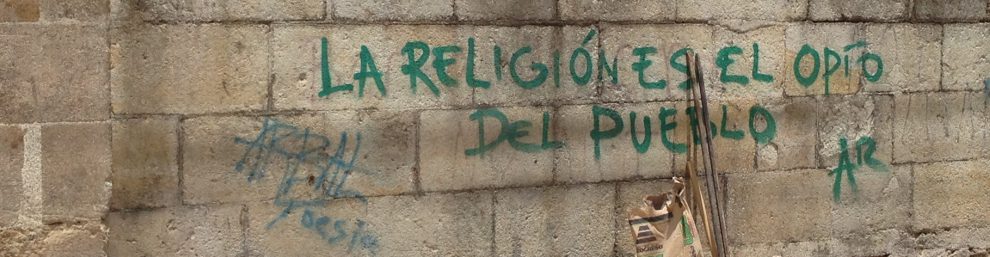
La depresión es un desorden mental. Según la definición clínica de la misma, la depresión es: “el diagnóstico psiquiátrico que describe un trastorno del estado de ánimo, transitorio o permanente, caracterizado por sentimientos de abatimiento, infelicidad y culpabilidad, además de provocar una incapacidad total o parcial para disfrutar de las cosas y de los acontecimientos de la vida cotidiana.” (Manual de Diagnóstico y Tratamiento de la Asociación Americana de Psicología) La depresión no es solamente sentirse triste por un momento. Cualquier persona que tenga sentimientos se ha sentido triste, ha llorado y ha estado sin ánimos. Es posible estar en este estado de tristeza por varias semanas e inclusive meses sin necesidad de que sea diagnosticado como depresión. (Pero de nuevo, yo no soy médico así que no puedo determinar cuánto debe prevalecer un estado de ánimos bajos antes de ser diagnosticado como depresión.) La depresión, como trastorno clínico, afecta todos los aspectos de la vida de la persona que vive con ella.2ypg5l3

Puedo decir que he vivido con depresión por varias décadas. Sin embargo, no fue hasta mis que fue joven adulto que me fue diagnosticada. Pero recuerdo que había en mi adolescencia muchas semanas y meses en que sentía una tristeza incontrolable, sin razón alguna de ser. Vivía en un completo estado de infelicidad a pesar de todas las cosas maravillosas que pasaban alrededor. Mi padre y mi madre siempre me apoyaban, me cuidaban, me ofrecían todo lo necesario para sobrevivir y tener éxito en la vida. Nunca hicieron nada para hacerme sentir inferior o hacerme sentir sin amor. Por el contrario, siempre proveyeron amor, respeto y empatía. Con esto quiero decir que la razón de mi tristeza no era por cuestiones de violencia, desamor, falta de respeto, u otras. Simplemente, la química de mi cerebro estaba en desbalance. Por lo tanto, el nivel de serotonina y dopamina – los aminoácidos que controlan el estado de ánimo en los seres humanos – estaban desbalanceados. Esta es la causa fisiológica de la depresión.

No quiero entrar en todos los detalles de lo que ha significado en mi vida el vivir con depresión. Solo quiero compartir algunas cosas que pueden ser importantes para este escrito en particular. Por ejemplo, puedo decir que desde que fui diagnosticado he podido entender el porqué de tantas acciones que he tomado en el pasado. Desde mi diagnóstico, he podido hacer cambios en mi vida – de dieta, de rutinas, y otros – que me han ayudado. Cuando mi depresión ha estado en momentos más fuertes, he tomado medicamentos bajo la supervisión de mi médico. Así, estos son algunas de las cosas que he aprendido sobre el vivir con este trastorno mental. También he aprendido que el vivir con un trastorno mental como la depresión no es “castigo divino”, no es “culpa” de nadie, no es algo que yo mismo “he buscado” y tantas otras falacias y mitos que tenemos en la cultura hispana.

Ahora, me gustaría tocar un punto muy importante sobre la depresión en mi vida. Esto es, soy miembro del clero. O sea, soy pastor. Existe entre las personas una percepción de quienes somos parte del clero que es muy dañina. Muchas personas piensan que el tener un llamado a esta profesión viene con una tarjeta divina de salir de cualquier cosa que otras personas sufran. Según la percepción popular, las personas del clero siempre están contentas, casi no enfrentan problemas, somos casi “super-humanos” para mucha gente. Pero esto no es así. Las personas que pertenecemos al clero somos nada más y nada menos que seres humanos. Nos da tristeza y alegría. Cometemos errores y tenemos logros. Pensamos en cosas feas y en cosas hermosas. Tenemos un color favorito y una comida que no nos gusta… En fin, que somos simples humanos que hemos seguido el llamado a ser líderes dentro de nuestras respectivas comunidades de fe. Pero igual que las personas al otro lado del púlpito sufren de enfermedades – de todas clases – a personas miembros del clero también nos diagnostican. Nos dan vómitos y fiebres. Vivimos con cáncer y con VIH. Tenemos migrañas y quebraduras de huesos. Así mismo, tenemos la posibilidad de padecer trastornos mentales de todo tipo. En mi caso, vivo con depresión y con desorden obsesivo-compulsivo (OCD, por sus muy conocidas siglas en inglés).

Es importante entender que las personas del clero no somos inmunes a padecer de depresión. Realmente, es una lucha constante el poder ofrecer apoyo a nuestras feligresías mientras al mismo tiempo buscamos apoyo para nosotras y nosotros. Sin embargo, entre las comunidades hispanas existe un reto mucho más grande. Esto es, el prejuicio rampante que existe entre nuestras comunidades contra los diagnósticos y tratamientos para las enfermedades mentales. Cuando un miembro del clero hispano tiene que buscar ayuda para sus trastornos mentales, lo más probable es que no tenga a nadie con quien compartir dicha lucha. Es posible que dentro de sí, la persona solo pueda ver el rechazo al que será expuesto si deja ver su vulnerabilidad entre su feligresía. También es posible que el liderato de su congregación tome medidas contra la persona, puesto que, como dije anteriormente, existe la percepción de que las enfermedades mentales son “castigo divino” o simplemente denotan una “falta de fe” en la divinidad.

Es por esto que quise compartir mi propia historia de vivir con depresión siendo parte del clero. La verdad es que, como ser humano, siento y padezco como cualquier otra persona. Así mismo, mi trastorno o enfermedad mental no me supone una desventaja para proveer apoyo espiritual a las personas a las que sirvo. Incluso, creo que yo que el vivir con depresión me ha ayudado a entender mejor otras personas que viven con enfermedades similares. El vivir con depresión me ayuda a tener más empatía con otras personas, en especial aquellas a las que sirvo. Por esto, es muy importante que dejemos a un lado los mitos sobre las enfermedades mentales, sus diagnósticos y sus tratamientos. Es imperativo, creo yo, que aceptemos que las personas miembros del clero somos humanos, creados y creadas igual que otras personas. Tenemos las mismas aspiraciones y los mismos retos.

Finalmente, es importante entender que necesitamos el apoyo de nuestras congregaciones tanto como la congregación necesita de nuestro apoyo. Esto no quiere decir que queremos que sientan lástima por nosotras y nosotros. Tampoco queremos que nos traten como niñas y niños sin protección. Lo importante, lo que pedimos de nuestras congregaciones, es que reconozcan nuestra naturaleza humana. Queremos apoyo y solidaridad. Queremos oraciones y entendimiento. Queremos que nos vean como seres humanos. No queremos burlas, ni críticas, ni dedos señalándonos como personas de poca fe. Queremos y necesitamos la comunidad a la que pertenecemos, porque sabemos que la divinidad nos ha puesto allí tanto para dar como para recibir bendición.
Leave a comment

Filed under Dios, Español, Hispanos, iglesia, Latino, Teología

A Pastor’s Reflection After-Mother’s Day

Every second Sunday in May in the United States there is the celebration of Mother’s Day. Like every other celebration in the country, this too has been over-commercialized. Stores try to take advantage of the day and sell everything they can; from postcards to clothes to fancy dinners and even cars! “Your mom is so special”, they seem to say, “that you ought to spend all your money on her.”images

Of course, the problem with the previous statement is that not all mothers are “special” and not everyone has or had a mother. In fact, Mother’s Day can be a very painful day for many of us. Single mothers have to find ways to provide for their children, seldom with any outside help. Single fathers are not recognized for their maternal instincts. Women who have no kids feel excluded. For other people, their mother was – or is – absent or an abuser. And still others have a difficult relationship with their mothers, like in my case. For these and many other reasons, Mother’s Day can be a painful day.

As Mother’s Day approached this year, I read, once again, the many reasons why some of my colleagues in ministry were not going to observe the day in church. Others expressed their discomfort with the day and how churches should not recognize mothers in any form on this day, and rather call for some other way of recognizing womanhood. Yet others expressed their pain and their dissatisfaction at their own experiences and how much hurt the day brings.

Four years ago, my own mother cut all communications with me, and even before that, after my coming out as queer, my relationship with my mother was difficult. As my sister became more and more conservative in her religious beliefs and as she started to influence my parents’ opinions more and more, our relationship as a family has deteriorated to a point that we are now estranged. I do not know if things will mend in the future; I only know the present. This is why Mother’s Day is also a very painful day for me. It reminds me that there is a void in my life; a void that was previously filled by the nurturing love of the woman who gave birth to me. Yet, as a pastor and now as a minister with no parish but still active in the life of the church, observing Mother’s Day is important to me.

Certainly, going to church on the second Sunday of May is difficult. But there is something more important than the pain I have for having lost my mother to Christian fundamentalism: the importance of celebrating motherhood in all of its fierceness, in all of its variations, in all of its strength, and doing it in a community of faith. Being part of a church means that there will be times when we do not fit in. There are also times when we can’t connect with what is being said from the pulpit or with the theme for the day. There are times when we attend church and come out without having felt any transformation whatsoever – which is supposed to be the point of having gone to worship, after all. Yet, we continue attending (or we complain, whine and find another church of our liking or, as it is more common nowadays, start our own.) If we do continue going to church, is not because every single Sunday there will be something for “me”, but because we are committed to life in community.

Life in community means that at times I have to sacrifice my own personal comfort in order to uplift those who are around me. It means that I am committed to live as part of something that is bigger than I am. It means that I trust that the Spirit works in mysterious ways and that I have no control over what the person next to me needs to hear that day.

This is the main reason I gladly attend worship on Mother’s Day. I especially enjoy the fact that I have, for some time now, belonged to congregations that understand the many facets of motherhood: single mothers, single fathers, people who have been like mothers to others, mothers who have lost children, single people who have given of themselves to others as any mother would have done, first-time mothers who anxiously awaited the arrival of their children – whether by birth or by adoption – and whose first celebration of the day reminds them of their struggle, gay men who have given up on the idea of being parents, gay men who are parents, transgender mothers whose children still address them as “dad” because their love for their children is so big that they are willing to sacrifice their own identity in order to make them feel comfortable… All these are examples of motherhood that I have had the blessing of experiencing in my own ministry.

As pastors, it is a challenge to find a “middle-ground” in which all the people in worship can feel included. The truth is that, at some point or another, someone is going to be left out. What is important to remember is that these celebrations are not about “me”, but about “us.” I believe that the best way to address our own pain of not having a mother with us on Mother’s Day is to firmly and honestly share with our spiritual leader our pain. She or he will hopefully understand (if they don’t, perhaps they are not the most qualified person to shepherd us). Perhaps it is best for us to stay away from worship that day, and honor our own pain by some other means (remember, there is no sin in skipping worship!) Perhaps it is best for us to find a mother figure in our midst and share with them the joy of motherhood in whichever way she or he celebrates it.

This past Sunday when my church celebrated Mother’s Day, I rejoiced in celebrating the many people who have been like mothers to me. I also celebrated the priest’s courage to say that he, too, feels like he has been called to be a mother hen to his parishioners; he too feels the power of motherhood as a parent and as a priest. These words were powerful for me, for it was the first time I had ever heard a heterosexual man acknowledging his motherly instincts. This past Sunday, I also celebrated the other mothers who were present worshiping in the same sacred space I was: the mother whose children run around and smile at us and hug us during the passing of the peace and who make a joyful noise every time we sing; I celebrated the mother whose face and hands are filled with wrinkles after so many years of motherhood, who has stood by the side of her gay son and her divorced daughter; I celebrated the mother whose 268913_10150368732015620_6162879_ndaughter is the music she creates for us and with us and who has given her life to fight for equality and justice for all of her children… I celebrated with all the mothers, some women, some men, who brought all of whom they are to church that day and who held me in prayer as I shared with them my hurt.
Finally, I also celebrated the fact that I can count on Mother Mary of Nazareth, who has loved me even when I ignored her for so many years. Singing that final hymn to Mary made me realized how important her figure is in the history of my faith tradition. It also made me realized how much we depend on her; she is our Mother and our Guardian, she is our Companion and our Protector, she is the Guide and the Advocate, she is Madre María, who has never left us… who has suffered the pain of motherhood in all of its manifestation, and yet, continues granting us the strength to go on. Perhaps I Christian fundamentalism took my mother away, but the ancient Christian community to which I now belong, has given me another reason to celebrate Mother’s Day.

Leave a comment

Filed under Uncategorized

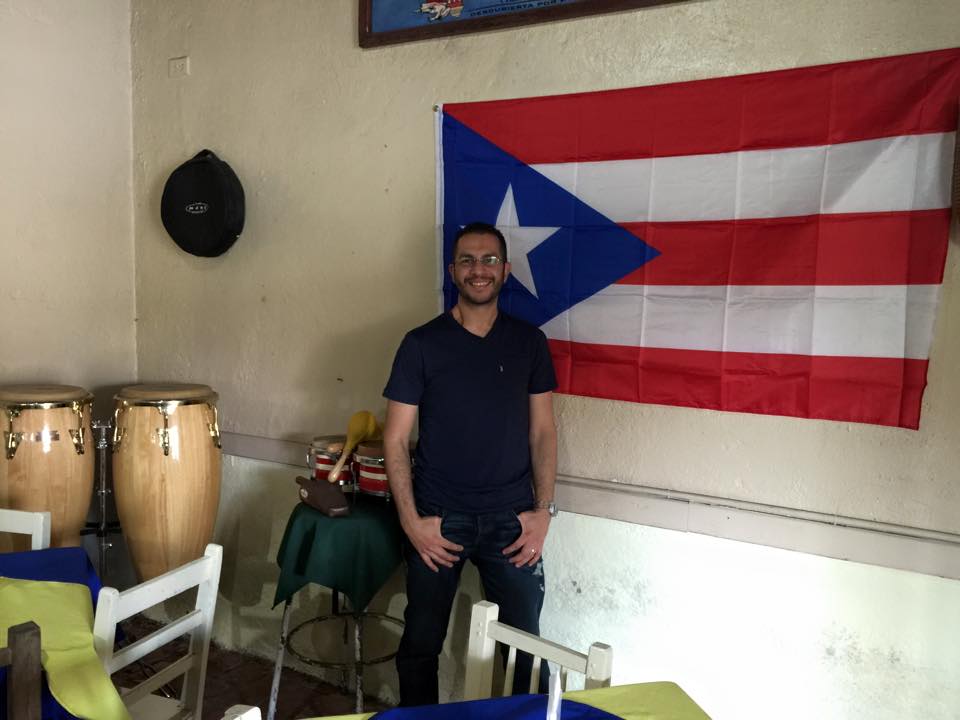
Yo también soy puertorriqueño

Pero no cambia mi amor
Por más lejos que me encuentre
Ni el recuerdo ni el dolor
De mi pueblo y de mi gente

Todo Cambia, Julio Numhauser

       Hace quince años, más o menos – con una pequeña interrupción en el 2011 – vivo en los Estados Unidos. La mayoría de este tiempo la he pasado entre estudios y trabajo. Ambos – tanto estudios como trabajo – han sido por lo general en contextos angloparlantes. Como estudiante, pasé cuatro años en la escuela graduada de teología, sumergido en clases todas en inglés, con libros en inglés – aun cuando el curso podría ser sobre teología latinoamericana –, escribiendo ensayos en inglés y asistiendo a servicios religiosos en inglés. Durante el tiempo que trabajé como pastor de congregaciones, la mayoría de estas congregaciones fueron angloparlantes. Aquí también tuve una interrupción, puesto que serví una congragación hispana en la ciudad de Nueva York. En esta congregación – y es importante que señale esto – la mayoría de las personas eran ecuatorianas, con una buena dosis de bolivianos, puertorriqueños, colombianos, cubanos, guatemaltecos, hondureños, peruanos y una persona mexicana.

Cuando era pequeño, recuerdo que a quienes se iban de Puerto Rico y regresaban eran vistos casi como “traidores a la patria”. Nadie decía nada abiertamente, es cierto, pero se les trataba como tal. “Ya te ves más blanca que una gringa”, le decían a algunas de mis tías cuando visitaba el poblado Castañer donde crecí. “¿Se te olvidó tan rápido el español?” le preguntaban a mis tíos que llevaban más de veinte años viviendo en Illinois o Nueva Jersey. “¿Es que no le enseñan español a esos nenes?” le preguntaban a tíos y tías cuando sus hijas e hijos batallaban para comunicarse con lo que aparentaba ser su poco vocabulario en español. Todas estas actitudes eran las que veía en mi propia familia. Pero estoy seguro que existían en otras familias también.

11098223_10153815799365620_3455883693989937180_n
Por mi parte, siempre pensé que irse de la Isla era como una traición. Sí, yo también lo pensaba. ¿Por qué se va la gente de este paraíso? ¿Por qué se retiran como si no pudieran hacer nada por este país y luego vienen con acentos, ropas diferentes, creyéndose más boricuas que aquellos que nos hemos quedado y queriendo tener injerencia en asuntos internos de la Isla que dejaron atrás? De verdad que no comprendía por qué las personas que salían de la Isla querían regresar con opiniones políticas y sociales; con expresiones culturales que eran ya irrelevantes a la realidad del momento en Puerto Rico; pero más que todo, con ese acento que ni era del todo español “boricua” ni inglés bien hablado. Me irritaba. Como siempre me he identificado como independentista, pues me irritaba más, porque pensaba que quienes se habían ido, no deberían tener la oportunidad de reclamar su puertorriqueñidad.
Eso es, hasta que me tocó a mí. Ahora soy yo quien está en el otro lado del discurso, como receptor de las críticas de amistades y enemistades que me piden que me quede callado cuando asuntos políticos, económicos, sociales y demás vienen a ser discutidos en el foro público puertorriqueño. Ahora soy yo de quien se burlan por un acento que algunas personas llaman “neutral” y que otras a quienes les interesa menos esconder su xenofobia llaman “mexicano”. Ahora es de mí de quien se dice que estoy “engringado” porque se me olvidan palabras y conceptos en el idioma de Cervantes y a veces mezclo el español con el inglés como la cosa más natural del mundo pero que es una aberración a los puristas boricuas que no pronuncian las “s” al final de las palabras y que arrastran las “r” como si estuvieran hablando francés, o, en la mayoría de los casos, las cambian por “l” aunque morfológicamente esté incorrecto…
Hay algo que entiendo ahora y que no entendía cuando era parte de los puristas puertorriqueñistas: la puertorriqueñidad – o cualquiera que sea la nacionalidad u originalidad de la persona – no tiene que ver con residir en el lugar, sino con las raíces que te unen a ese lugar. Por eso fui, soy y seguiré siendo puertorriqueño, con mancha de plátano incluida, no importa dónde resida ni cuánto tiempo pase fuera de la Isla. Como cantaba Mercedes Sosa – la argentina que vivió en el exilio en Francia y Esapaña hasta que pudo regresar a su amado país -: “Cambia, todo cambia; Pero no cambia mi amor, por más lejos que me encuentre, ni el recuerdo ni el dolor, de mi pueblo y de mi gente.” Y que valga decir que la canción fue escrita por un chileno, Julio Numhauser, quien también ha vivido en el exilio en Suecia desde que tuvo que abandonar su país durante la dictadura. Sí, todo cambia, pero no cambia el amor, el recuerdo, el interés, la pasión, el anhelo de mi gente y del país que me vio nacer y crecer. Miles de millas nos pueden separar, pero mi puertorriqueñidad no me la quita nadie; ni la realidad en la que vivo, ni los puristas puertorriqueñistas en la Isla.
Ciertamente, no fue la violencia militar la que me hizo salir de Puerto Rico. Al usar a Sosa y a Numhauser no quiero decir que mi situación haya sido idéntica. No lo fue. Aunque sí tuvo que ver la política con mi exilio. Pero lo que quiero demostrar al utilizar estos ejemplos es que toda persona que por cualquier razón deje a su patria para instalarse en otro lugar, sufre tanto de añoranza por su pueblo como de rechazo por parte de quienes, por cualquier razón, se han quedado.
Los medios de comunicación sociales nos permiten tener contacto constante con los países que hemos dejado. Esto también hace que nos mantengamos acercados a situaciones sociales, económicas, políticas y demás en nuestros países de origen. Si queremos aportar al discurso público en nuestros países, ¿por qué impedírnoslo? ¿Qué nos hace menos puertorriqueñas o puertorriqueños? ¿Quién dice que hemos dejado de interesarnos en el presente y el futuro de nuestra tierra? Los gobiernos (y no solo el de Puerto Rico) contrata servicios de consultoría de países extranjeros todo el tiempo. Esto lo hacen porque a veces el tener una perspectiva diferente, “desde afuera”, puede ayudar inmensamente en el desarrollo interno. Entonces, ¿por qué demandar que nos callemos quienes vivimos fuera de la tierra Borincana? Nuestra experiencia de vida en la Isla y fuera de ella es, creo yo, necesaria para el desarrollo del país. Esto no quita validez ni peso a las opiniones y las acciones de quienes todavía viven en Puerto Rico. Por el contrario, las fortalece.
Además de nuestra esto, lo cierto es que en el mundo globalizado en el que vivimos, todas las personas podemos hacer público nuestro sentimiento y nuestras posiciones con respecto a cualquier cosa de cualquier país. El hecho de que somos de un lado, de que vivimos en otro y de que hablemos diferentes idiomas no significa que no podemos entender la realidad de otros países u otras sociedades. Si no, ¿por qué tanta gente en Puerto Rico tiene opiniones e ideas de lo que debe hacerse en el Oriente Medio? O sea, según quienes nos critican por proponer ideas sobre la realidad actual de Puerto Rico, quienes vivimos fuera de la Isla “no tenemos vela en ese entierro”, pero lo mismo no le aplica a quienes viven en la Isla y tienen ideas de qué debe hacer el gobierno de Siria y las guerrillas ciudadanas. ¿Lógica etnocentrista?
Hay otro punto al que hice referencia al principio y quiero retomar; el acento. Quien ha salido de la burbuja San Juan-Bayamón-Guaynabo-Caguas (¡y mira que hay muchas personas que nunca han salido de allí!) sabrán que cada rincón de la Isla tiene su acentito. Unos más y otros menos, pero todos tenemos un acento regional. Recuerdo que cuando pequeño mi hermana y yo nos reíamos con la forma “cantadita” de hablar de nuestra familia de Morovis. ¡Morovis! Otro pueblo montañoso no tan diferente de Adjuntas donde crecí, pero con sus regionalismos y hasta su propio acento regional.
Tanto el jíbaro del campo como la señora de la loza tienen su acento particular. Cuando el jíbaro se muda pa’ la loza y la señora de la capital se muda pa’l campo, sus acentos pueden cambiar. El jíbaro comienza a pronunciar la “s” al final de la palabra mientras que la doña comienza a arrastrar la “r”. Eso pasa todo el tiempo. Es parte de una cultura en movimiento. Es parte de vivir en un mundo donde estamos en cada momento interactuando unas con otras. Cuando los horizontes se ensanchan y ya no es solamente salir de la loza pa’l campo, sino de un país a otro, es también posible que los acentos cambien. Esto no quiere decir que todo el mundo cambia su acento. No. Algunas personas, por cualquier motivo, lo mantienen. Otras, sin embargo, cambian. Es parte normal de las interacciones humanas.
Como dije al principio de este ensayo, estuve al frente de una congregación que era mayormente ecuatoriana. El transporte público, para mí, es guagua. Así que, en puertorriqueño, yo digo “coger la guagua” para referirme a la acción de tomar el transporte público para ser transportado de un lugar a otro. Pero hay algo importante en las relaciones internacionales y el uso del español… En Ecuador, “guagua” es niña pequeña, mientras que “coger” tiene, además de la acepción de “tomar”, otra acepción, que es de naturaleza sexual. Lo que para mí es una acción normal del día a día, para un ecuatoriano es una vulgaridad. ¿No es responsabilidad de un buen líder el adaptarse a la comunidad que sirve? Entonces, debo adaptar mi español a la comunidad que me circunda. Esto no me ha hecho menos puertorriqueño ni me quita el deseo de estar involucrado en la realidad política, social, económica y demás del país al que me siento unido.
El acento no me define como puertorriqueño; como tampoco define mi puertorriqueñidad el lugar donde vivo, mi sexualidad, mi color de piel, mi educación, mi sexo, mi género, mi posición social, mi trabajo, etcétera. Mi puertorriqueñidad no depende de cómo la definan quienes se han quedado en la Isla. Tampoco depende de cómo la definamos quienes hemos salido o quienes nunca la han visitado (hay puertorriqueños y puertorriqueñas que han nacido en Estados Unidos u otros países que también se interesan en la realidad de la Isla.) Mi puertorriqueñidad y cuánto quiero involucrarme en las discusiones de la realidad isleña la defino yo. Me interesa seguir leyendo, aprendiendo, escuchando, opinando sobre la realidad de la Isla. Me interesa seguir poniendo mi granito de arena en el desarrollo social, político, económico de Puerto Rico. Me interesa porque amo a mi Isla y no importa cuánto cloro los puristas puertorriqueñistas me quieran tirar, la mancha de plátano no se me va a quitar. ¡Yo también soy puertorriqueño!

Leave a comment

Filed under Español, Identidad, Latino, Puerto Rico, Uncategorized

Obama’s Weak and Timid Immigration (In)Action

On November 20th, President Obama announced executive actions regarding immigration. The provision has been called “the right thing to do”, “timely” and even “bold” by individuals and organizations that portray themselves a progressive. The reality, however, is different. The recent executive action is not even close to the comprehensive reform that is sorely needed by the immigrant communities in the United States. Certainly is not timely, as the President had the chance to act on comprehensive reform when he promised, immediately after his reelection in 2012. Finally, the recent executive action is far from being bold; the action is timid and weak.

According to some experts, about 5 million immigrants will benefit from the executive action. The program has five main focus areas: expansion of the previous Deferred Action Program (DACA) for DREAMERS, allow parents of US citizens to stay in the country for up to three years without fear of deportation, expanding the waiver program that was already in place for unlawful residents, modernizing and clarifying immigrant programs, and promoting citizenship education. Of these areas, two are the most contentious: the expand of the Deferred Action and allowing parents of US citizens to stay in the country for up to three years with a provisional work permit.ImmigrationReformPassedinSenate062813

These actions, while might look like a dim light at the end of a very dark tunnel, need to be taken very seriously and with a grain of salt. Why? These programs are creating large, federal databases with enough information on undocumented residents which can be easily accessed by future administrations that might not be fond of immigrants. Currently, and up to the Election Day on 2016, there is a 50/50 chance of a Republican takeover of the White House. If the Republican candidate runs on the same platform that the party has espoused so far, this means that 5 million undocumented residents will be at the will of a hostile president who might take action in deporting them. We must remember that Obama’s executive action has a three year lifespan. This is well into the administration of the next US President, whoever that person might be.

Moreover, the executive action affects less than half of the total undocumented immigrant community. During a conversation with my spouse, who has lived in the USA without documentation for the past 11 years, we wondered what was going to happen to most of our family. Would they be able to apply for the executive action? What about our friends? The answers were not what we needed or wanted to hear. Only one member of our family, whose son is a US citizen, will qualify for this executive action. Others, such as an uncle who has lived in this country, paid local and federal taxes, worked and invest in the local economy for the past 12 years, would not be able to qualify for the mere reason of not having any children born in the USA. In addition, our friends who are gay or lesbian, who have no children and many of whom never thought of having children, but who have lived in the USA for most of their lives, will not qualify for Obama’s executive action. How can such an action be called “bold”?

Indeed, Obama’s executive action on immigration is weak, timid, and comes with too many risks for the undocumented community. It will be extremely important for undocumented residents to explore what options are best for them. Three years of a temporary work permit, with the possibility of deportation at the end of that time, might not be the wisest movement for many undocumented residents.

There is one thing, however, that has been made clear throughout this process: Obama and his advisors are good politicians. He decided not to push for comprehensive immigration reform before the mid-term elections, thinking that this would give them advantage with the conservative-leaning undecided voters. Somehow, he and the Democrats took for granted the support of minority voters. That, as we have already seen, backfired. By presenting this weak and timid executive action, he hopes to get back the support of the left-leaning voters while at the same time look like a “champion” of the immigrant communities. Of course, the Republican Congress is going to do everything in their power to minimize the effects of this executive order, which will make them look like “the bad guys”, which is exactly what Obama and his party needed to win the next general election. Basically, Obama and the Democrats are using the immigrant community as a weapon in their dirty political game.

Add to this what I have already experienced: the resistance of the – mostly white – liberal voters to acknowledge that Messiah Obama cannot do anything wrong. I have already received messages from friends and acquaintances that ask me to stop criticizing the President’s actions lest the “right” use that as a weapon against all the other positive things that President Obama has accomplished.

But I cannot keep silent. My role in a semi-democratic society like ours is to raise my voice when I see unjust actions that affect those who have no voice within the political structures. The role of any citizen is to keep their government checked lest it lose sight of its responsibility: to look after the wellbeing of all of the people. Just because President Obama has accomplished many great things during his tenure does not mean that I need to stay silent when he does wrong. On the contrary, it is my civil responsibility to call on the government officials who represent me to act according to what is the wellbeing of all my fellow citizens.

Finally, with the reaction I have seen from the – mostly non-immigrant, and mostly white – liberal community, it is my fear that pressure on the Obama administration to proceed with comprehensive immigration reform might wane. It seems to me like the progressive voice has, once again, fall trapped of the “Obama charisma and speech” and is willing to compromise the lives of the other 6+ million undocumented residents who will not qualify for this executive action. If the progressive voice is not heard anymore, neither Democrats nor Republicans will feel the need to move boldly on immigration reform. We have already seen how every progressive voice has been praising Obama for his weak and timid action, calling it “bold” when in reality is not even close to be so. I do not want to be the kind of citizen that serves as a rubberstamp for the political leaders I do support. What I want to be is a responsible citizen who is willing to criticize the wrong actions of any political leader, even if I agree with them in most of the policies that they support.

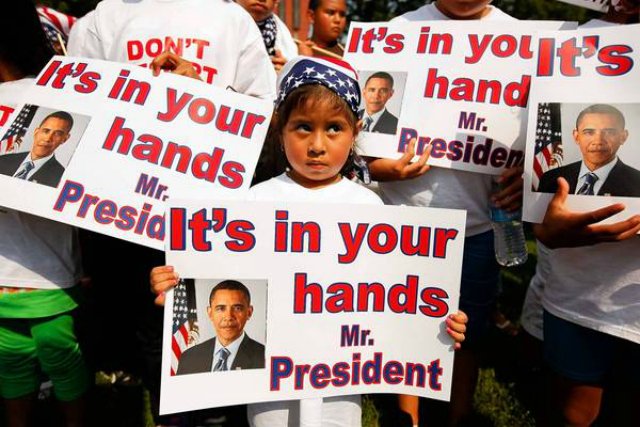
Mr. President, we need you to take BOLD action on immigration reform. Mr. President, we need you to ACT on immigration reform and not just use our immigrant communities as political weapons. Mr. President, we need you to BE A LEADER and not just a politician. The lives of over 11 million people who live and contribute to this country depend on you.

Leave a comment

Filed under Culture, discrimination, Hispanics, justice, Latino, race, racism

Why I Vote

i-votedThere are people in the United States, especially those – usually young, and white, and from middle and upper middle classes – that espouse “anarchist” and “leftist” views, who say that voting is a waste of time. Why should we vote if the candidates all have the same platforms? Candidates all work for the same corporate interests and look only after their own kind. Why bother with voting?

I do not disagree that many, if not most, candidates are just clones one of the other. However, for me it is still important to cast my vote. Why? Because of whom I am.
It is easy to dismiss your right to vote when you are white, or young, or male, or rich, or educated, or healthy… or any combination thereof. It is easy to dismiss the electoral process and complain about politicians and their work while not wanting to be part of the process. I understand the frustration, because I have felt it myself at times. But when you are not part of the majority, your vote is extremely important.

This is why I vote: because I am not white, because I am not straight, because I am not rich, because I am an immigrant, because my first language is not English, because my spouse can’t vote, because I am a feminist, because I am a progressive, because I am a person of faith, because I am not willing to let others dictate what I think is best for me… Voting allows me to reclaim my space in the public square. Voting allows me to stand up and say that I am part of the process even when the majority of those in power do not want to recognize my mere existence. Voting allows me to stand up for what I believe, even when the politicians making the decisions are those I voted for!

No candidate and elected official are going to share all of my values. However, I feel empowered to raise my voice when I vote. I can tell those politicians and elected officials that I have the power that the US Constitution grants me and I will make use of that power. Voting is not the “fix-all” solution. It is not perfect and it is not going to make the government work exactly as it should. But, when you are not part of the majority it is extremely important to show up at the voting booth (or to mail in your ballot!)

I vote because I am not white, because I am not straight, because I am not rich, because I am an immigrant, because my first language is not English, because my spouse can’t vote, because I am a feminist, because I am a progressive, because I am a person of faith, because I am not willing to let others dictate what I think is best for me…

Leave a comment

Filed under Uncategorized