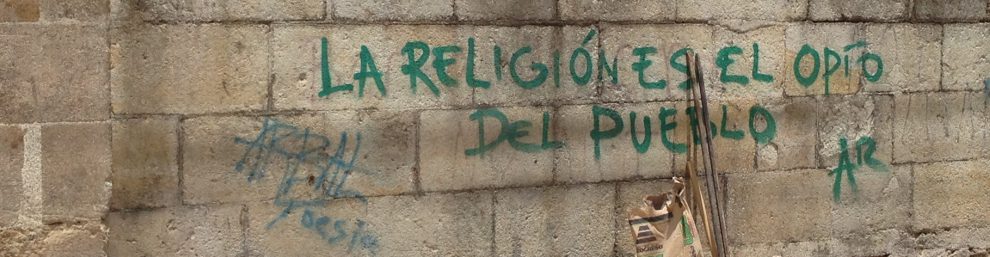
I’ve had the chance to travel throughout many countries in Latin America. As we continue celebrating Hispanic Heritage Month, I want to share a couple of my favorite spots in the countries I have visited. Hopefully, you too will get inspired and visit our wonderful lands. 
—
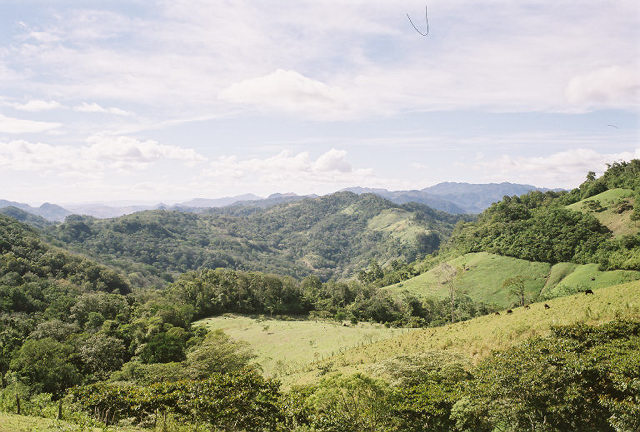
The very first country I visited was Nicaragua. Here I stayed for a month with a family on the island of Ometepe, in the middle of Lake Cocibolca (aka: Lake Nicaragua) after a few days in Ticuantepe.
Ometepe is magical. It’s a small island with two volcanos, one on each side of the island. There is a lot of ecotourism in this area. However, I did not do the traditional tourist path as I was there with a small group of Christian self-appointed missionaries from my time with a religious group back in college. I stayed with the family of the pastor who welcomed us there. Every morning, someone would bring fresh milk directly from the cow’s udder. A person selling hard breads would come by also, and the family would buy a couple of pieces of bread for breakfast. Their regular diet was so foreign to me at the time! For breakfast, they would have gallo pinto — rice with pink beans –, cream, fried cheese, and bread with coffee. As we shared more about our respective cultural cuisines and I shared what a regular breakfast was for me, they switched their menu to a fried egg with cheese and coffee. Way easier for my system to adapt! Ha!
Since I grew up in a household were people did whatever chores needed to be done regardless of your gender, it was amusing for my Nicaraguan siblings to see me helping the women in the kitchen, helping with the cleaning of the dishes, and such things. I also helped with some construction work they were doing and other traditional “male” responsibilities. But the conversation always turned to the curious thing about me doing “women’s” chores.
Exploring the island of Ometepe with local residents was great. We walked almost everywhere. We got to meet amazing people with big hearts. The island is full of wonder and it’s a great place to visit outside of the traditional tourist paths, although, not many people would consider Nicaragua a tourist destination. (Something that I appreciate, as I am more interested in visiting places to learn about their cultures and engage with the people, not to do traditional tourism.)
During that trip, I also got to visit the city of Masaya. This was an adventure! My group was just three young women and I. One morning, we took the bus to Masaya from Ticuantepe. We walked to the main road to take the bus. The bus was bursting with people, but still, our guides for the day — two young men from a local church — basically pushed the three women into the bus, and then signaled me to walk with them to the back door of the bus. Where would I fit in this overcrowded bus? Well, they jumped to the back of the bus, one holding on to the small ladder buses have next to the back door, the other right on the rail of the back door. They signaled me to jump to the rail, I held on to the frame of the back door, my feet on the rail below, and the arm of one of the men around my waist so I would not fall. We rode like this for some time until at several stops later we could move to inside the bus. I was more amused than afraid, and it was the best way to experience Nicaragua. I haven’t stopped taking risks while using different modes of transportation throughout Latin America. Masaya was beautiful. It’s a city full of color and creativity. Lots of artisans call Masaya home, and you can find beautiful handmade pots, sculptures, and all sorts of art.
I returned to Nicaragua with my seminary to support the work of “Seeds of Learning” based in Ciudad Darío. This place was also special. Rubén Darío was a Nicaraguan poet who transformed literature in Spanish by founding the modernist movement. Being in his hometown, visiting the tiny home where he was born, it was really magical experience. The other amazing experience I had in Ciudad Darío was visiting a small Baptist church near the nonprofit we were working with. As we arrived, there was a woman sweeping the floor. The service wouldn’t start until late, but she went to get their pastor so we could meet him. The pastor was an elderly man, with the marks of age throughout his body, but full of joy and passion for the work he did.

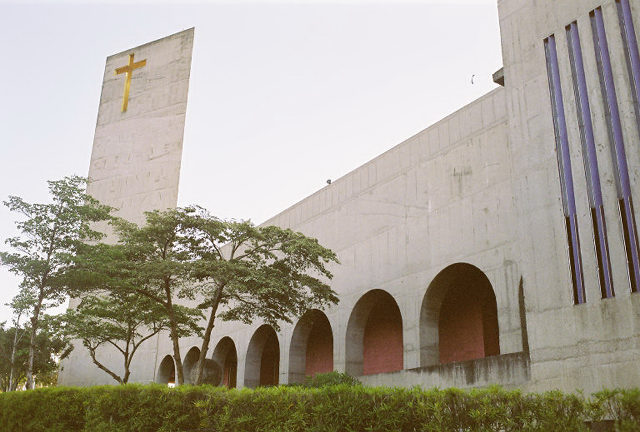
Ometepe, Masaya, and Ciudad Darío are some of my favorite places in Nicaragua. The Roman Catholic Cathedral in Managua is spectacular and its modernist structure in the midst of the very old city streets and architecture is a reminder of the way in which our countries live between our past and our future. I can’t wait to be back in Nicaragua someday soon (we were supposed to go there this year for my birthday in a week, but life had other plans.) I want to drive around more parts of the country and explore more of its beautiful nature and the good hearted nature of its people. I want to eat as many nacatamales as I can, also!
As Nicaraguan singer Carlos Mejía Godoy once sang:
“Ay, Nicaragua, Nicaragüita
La flor más linda de mi querer
Abonada con la bendita Nicaragüita
Sangre de Diriangén…
“Ay, Nicaragua, sos más dulcita
Que la mielita de Tamagás
Pero ahora que ya sos libre, Nicaragüita
Yo te quiero mucho más…”
Happy National Hispanic Heritage Month!
 SocioTheology
You must be logged in to post a comment.